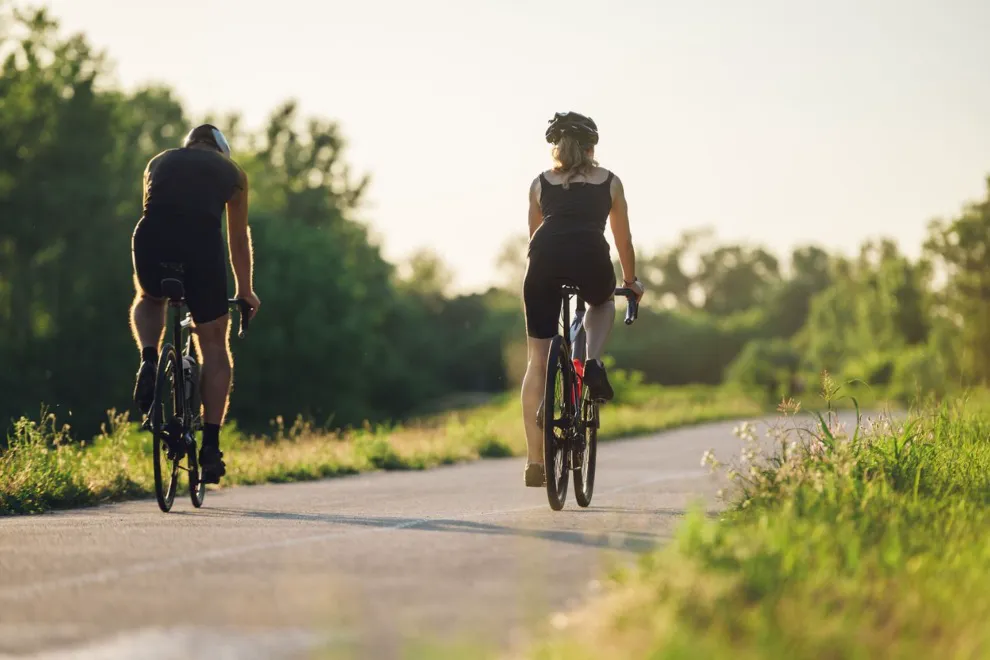
Through long-distance pedal spins, ribbon rallies, or small local group rides, each event intends to share stories of fear and recovery, promote awareness and change, and offer hope to those living in the shadow of diagnosis. Below are some real stories of riders who have helped make this collective effort so inspiring, followed by reflections on what these endeavours teach us, and what individuals and cycling communities everywhere can do to show their support.
Christine O’Connell & One More City: Life with secondary breast cancer
Christine O’Connell has been fighting secondary breast cancer since 2018, after an initial diagnosis in 2013. Rather than let her condition define her, though, she founded One More City, an annual ride (or city-to-city journey) that raises funding for PhD research into secondary breast cancer. As she told Rouleur magazine, “It’s my lifeline. I love it. It gives me a way to test myself other than a scan or a blood test. It is just a way to escape.”
Her rides are not easy celebrations. In fact, part of Christine’s mission is to correct widespread misunderstanding: many believe that breast cancer is always “curable” and finite. Christine’s truth is that for 20-30% of patients, cancer returns beyond the breast, spreading to other organs — a form known as secondary breast cancer, and treatment becomes ongoing, not simply something to finish and move on.
Every year, Christine and dozens of cyclists tackle new routes. Most recently, they rode from Munich to Venice, over challenging terrain, border crossings, and steep climbs. Their group included 36 riders. Christine said it was “amazingly hard, but beautiful,” riding through Alpine landscapes, generous countryside, and the long stretches between towns. The money raised goes directly to support PhD students researching hard-to-treat forms of secondary breast cancer.
Al & Terry Reszel: Love, miles, and endurance
Al Reszel’s bicycle has become a symbol of his determination and love for his wife, Terry, a breast cancer survivor since 2010. In their campaign Pink Pedals 4 A Cure – Terry’s Ride, Al cycles thousands of miles across the United States, while Terry drives support in a van, handling logistics, connecting with people, and sharing stories. In 2018, Al rode from Los Angeles to New York – over 3,500 miles, across 13 states, to raise funds for the Breast Cancer Research Foundation, all in Terry’s honour.
Al described the ride plainly: “There were good days and there were tough days,” he told BCRF. But every mile had meaning. Terry, her support vehicle trailing behind, isn’t just a passenger; she’s an active equal in this journey. “I couldn’t have done it without Terry,” Al says.
Terry’s journey with breast cancer, her recovery, her fear, her triumphs — all provided the fuel. “Post-surgery, my emotions ran the gamut from emptiness, fear, dread and horror,” Terry once recalled, after her bilateral mastectomy. But after recovery, life returned: family, grandchildren, daily routines, and the dream to do something more.
Al and Terry have come to represent what many believe: that survival is not just living, but doing — action, awareness, reach. Their rides grow in scale, in miles, and in impact. Over the years, they have raised tens of thousands of dollars, connected with hundreds of people, and spread the message: early detection, research, and community support are vital.
Zobrazit příspěvek na Instagramu
Nancy: Cycling as therapy after treatment
When Nancy turned 60, she decided it was time for a challenge. A few years after finishing treatment for breast cancer, she tackled a classic UK epic: cycling from Land’s End to John O’Groats, about 1,000 miles, over 14 consecutive days.
She recalls being terrified before starting chemotherapy, especially worried about sickness, but with antiemetic drugs, she never got sick once. During treatment, she would lie in the chemo ward dreaming of being back on her bike. Her motivation to survive, to reclaim strength, to reclaim the joy of cycling in nature, carried her through not only treatment but this epic ride.
Nancy’s ride was more than a birthday celebration; it was therapy. “Cycling over the Cairngorms nearly broke me – but I kept going,” she says. At an average of 70 miles a day, with climbs, bad weather, and fuelled only by perseverance, the challenge was immense. Arriving at John O’Groats, watching the silvery light of the coast, she felt something beyond physical exhaustion — a sense that she could do anything.
Why these stories matter
Beyond personal triumphs, these stories highlight vital truths:
Awareness needs to be more than symbolic: It’s not enough to pedal in pink. These rides bring attention to secondary breast cancer, treatment gaps, research funding, and the lived experience of those still fighting. Christine O’Connell, whose condition will never be “cured” in the conventional sense, shows how research into harder-to-treat forms is underfunded and misunderstood.
Physical challenge mirrors emotional challenge: The hills, long days, early risers. The worry before treatment, the fear of recurrence, the fragile healing, each has its own terrain. Completing a long ride becomes a metaphor: if you can survive a climb, you can handle what lies beyond. Nancy’s “therapy after treatment” is as much mental as physical.
Community supports survivors and raises hope: Whether it’s Terry driving behind Al, Nancy drawing strength from fellow riders, or Christine’s students who benefit when she raises funds for PhD research, there’s a network. These rides are shared accomplishments. They build bridges between people affected, people who care, and people who want to help. The stories open conversation: about screenings, about support, about what life looks like after treatment.
Action counts: Money raised, research funded, awareness spread. These efforts make concrete contributions to the fight against breast cancer.
For cyclists who want to ride with purpose
If these stories have inspired you to get involved, the good news is that making a difference doesn’t require an epic 3,500-mile journey. The point isn’t distance; it’s connection. When people come together, talk, and ride in solidarity, awareness spreads in the most genuine way.
One of the most potent things cycling communities can do is make space for survivors to share their voices. Letting those who’ve lived through breast cancer lead, speak, or simply be visible brings depth and authenticity to every event. Their stories remind others why awareness matters and keep the focus on real people rather than abstract causes.
Partnerships can make that impact even stronger. Linking your ride with a research foundation, local charity, or healthcare organisation gives the effort tangible weight. It could mean raising funds for a research institute, supporting screening programs in your area, or helping to provide access to diagnostic care for those who need it most.
Challenge can also be a powerful motivator. Whether you commit to twenty kilometres or a thousand, setting a personal goal adds purpose and momentum to your efforts. In a way, the rhythm of training and riding mirrors the process of treatment and recovery. It’s a reminder that progress doesn’t happen all at once; it’s built slowly, through persistence.
And while October shines a light on breast cancer awareness, the most meaningful impact happens when that energy carries through the rest of the year. Continuing to organise annual rides, keep in touch with survivors, or share research updates helps ensure that the message doesn’t fade once the month ends.
If you’re ready to take the next step, there are several established organisations around the world that channel cycling efforts and donations directly into breast cancer research, treatment, and support:
- Breast Cancer Research Foundation (BCRF) – The world’s largest private funder of breast cancer research, supporting groundbreaking work in prevention, diagnosis, and treatment.
- Breast Cancer Now – Based in the UK, this organisation combines research, patient support, and advocacy to improve outcomes and quality of life.
Wherever you are, it’s also worth checking which organisations are active locally, from small community groups to regional foundations and hospitals. Supporting what’s happening close to home can make a direct impact on early detection, access to care, and the strength of your own cycling and wellness community.