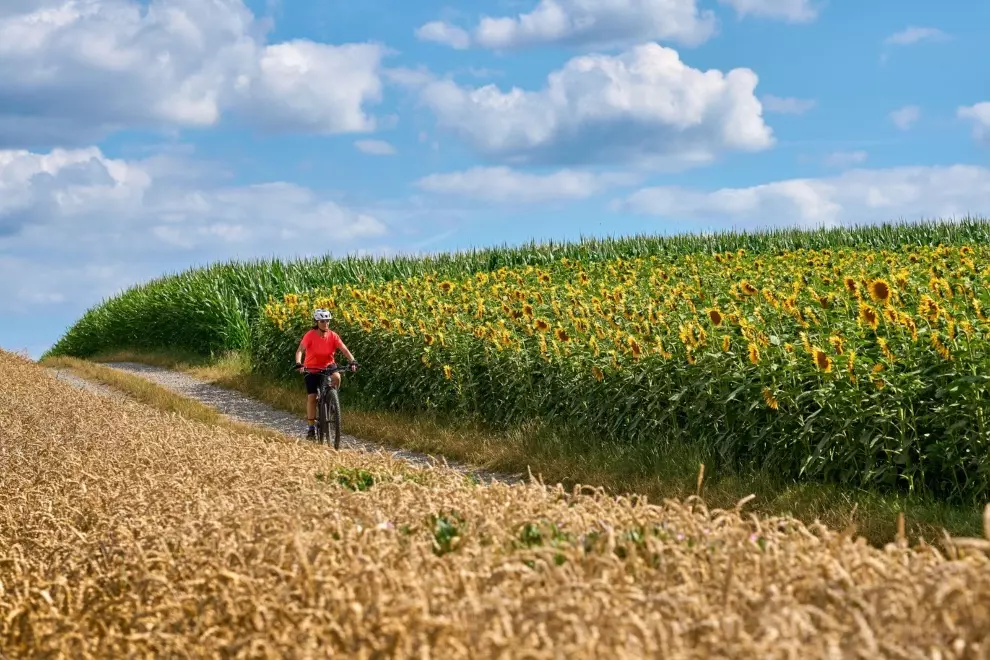
The problem is that your body views heat very differently.
While you’re enjoying the sunshine, it’s desperately trying to stop itself from overheating. And that changes everything about how you should train.
TL;DR
- Slow down and adjust expectations in the heat
- Hydrate before, during, and after rides
- Fuel consistently, especially on longer rides
- Train by effort, not just power or pace
- Avoid the hottest part of the day when possible
- Heat adaptation takes time
Heat makes every ride harder
One of the biggest mistakes cyclists make is expecting winter numbers in summer conditions.
When temperatures rise, your body diverts blood towards cooling itself. Your heart works harder, sweat losses increase, and maintaining the same power output often feels significantly more difficult.
This doesn’t mean you’re losing fitness. It means physics is winning.
Train by effort, not ego
On hot days, your power numbers may be lower and your heart rate may be higher.
That’s normal.
Trying to force the same numbers you achieved in cooler conditions often leads to:
- excessive fatigue,
- poor recovery,
- overheating,
- regretting your life choices halfway through an interval session.
Sometimes the smartest training adjustment is simply backing off slightly.

Hydration starts before the ride
Many riders begin a hot-weather ride already slightly dehydrated. That’s like starting a race with a slow puncture. Drink regularly throughout the day before training and continue during the ride.
If you’re finishing long rides several kilograms lighter than when you started, your hydration strategy probably needs work.
Fueling becomes even more important
Heat increases stress on the body, which means energy demands remain high even when you don’t feel like eating.
Many cyclists unintentionally underfuel because:
- they’re drinking more,
- appetite drops,
- food feels less appealing.
Unfortunately, your legs still expect carbohydrates. The laws of physiology remain annoyingly consistent.
Pick your timing wisely
The easiest way to train in extreme heat is often not training in extreme heat.
Whenever possible:
- ride early in the morning,
- train later in the evening,
- avoid peak afternoon temperatures.
This isn’t weakness.
It’s basic survival strategy.
Give your body time to adapt
Heat adaptation doesn’t happen overnight. Most riders need around 7–14 days of consistent exposure before training starts to feel more normal.
The good news is that your body becomes better at:
- cooling itself,
- sweating efficiently,
- maintaining performance.
The bad news is that the first few rides often feel awful.
Know when to stop
Cyclists are famous for ignoring warning signs. That’s admirable right up until it isn’t.
If you experience:
- dizziness,
- chills despite being hot,
- nausea,
- confusion,
- severe headaches,
it’s time to stop and cool down. No training session is worth becoming a medical story.
The real goal
The goal of summer training isn’t to pretend the heat doesn’t exist. It’s to work with it.
Ride smart, hydrate properly, adjust your expectations, and remember that nobody gets extra fitness points for turning a training session into a heat-management emergency.
Your future self will thank you.
FAQ
Should I reduce training intensity in hot weather?
Often yes. Most cyclists benefit from adjusting intensity based on conditions rather than forcing the same power targets year-round.
Why is my heart rate higher in the heat?
Your cardiovascular system is working harder to cool the body, which increases heart rate even at familiar power outputs.
How much should I drink during summer rides?
It depends on temperature and sweat rate, but most riders need significantly more fluid than they do in cooler months.
Can training in the heat make me fitter?
Heat adaptation can improve your body’s ability to manage thermal stress, but only if you recover properly and avoid excessive fatigue.
How long does heat adaptation take?
Mst riders begin adapting within a week, with meaningful improvements often occurring after 10–14 days.
Is it okay if my power numbers drop in hot weather?
Absolutely. Even professional cyclists see reduced power outputs when temperatures climb.