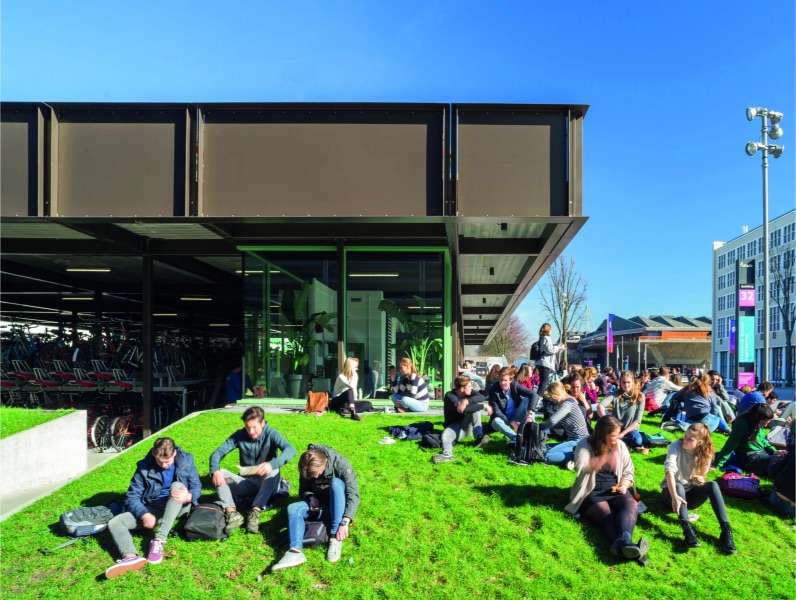
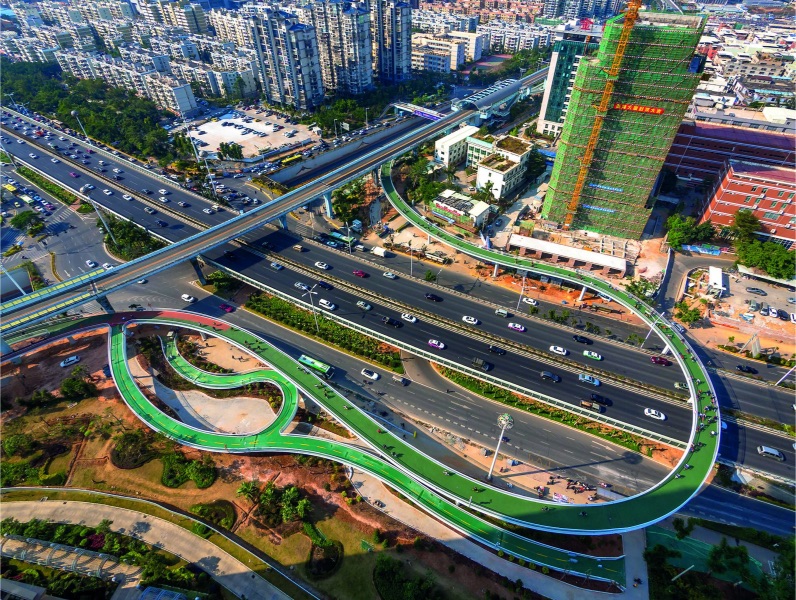
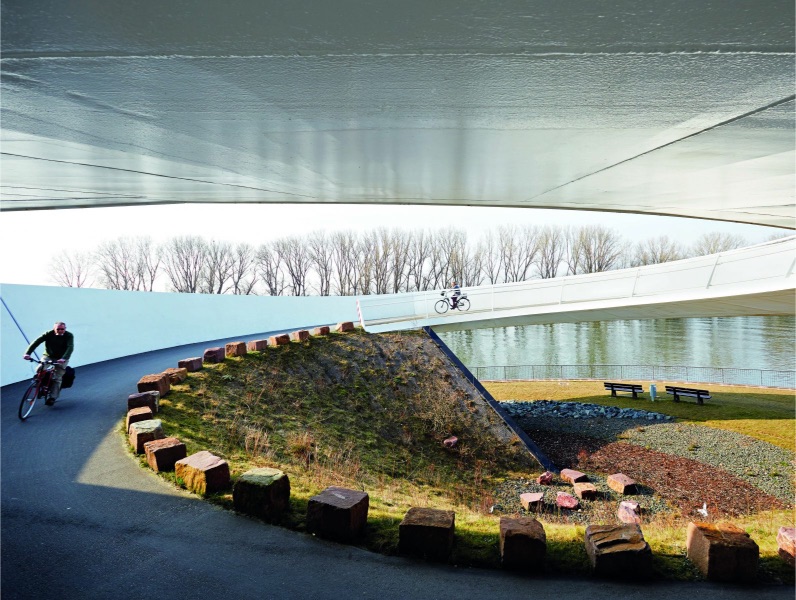
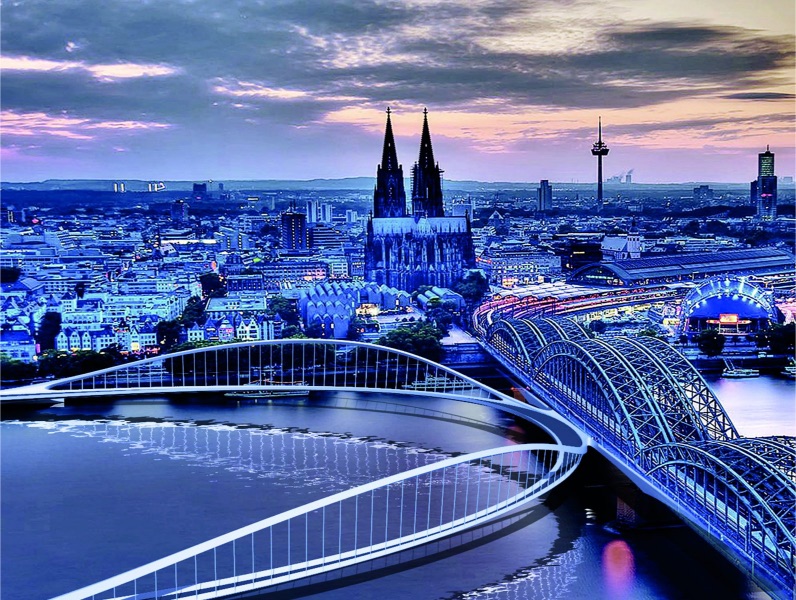
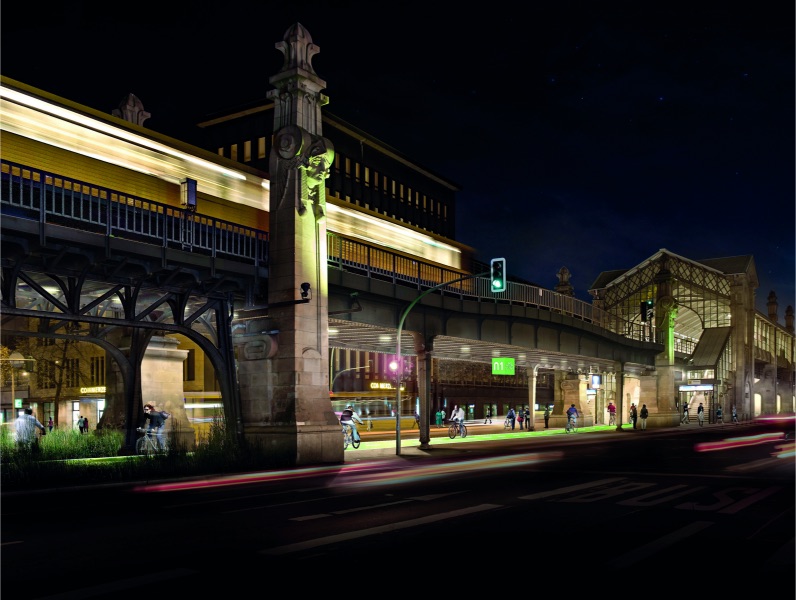
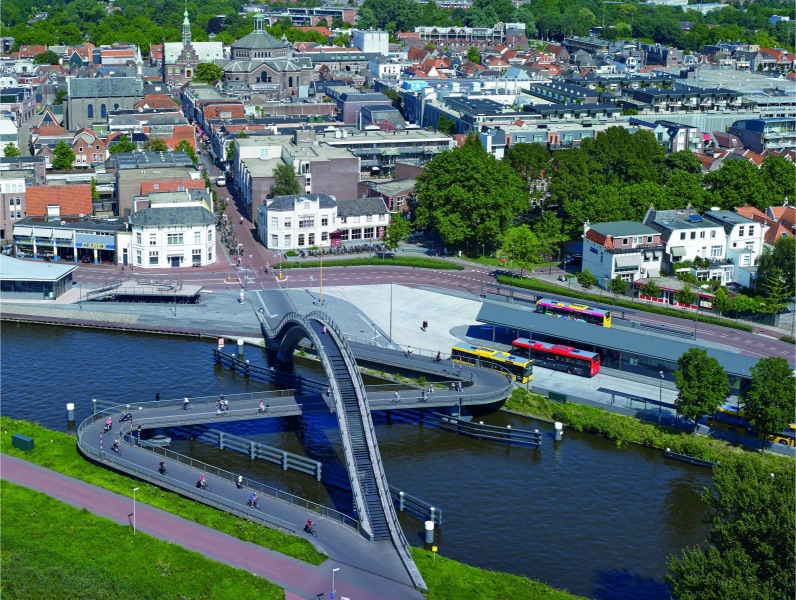
The Bicycle Architecture Biennale is on its second run already, showcasing high-profile building designs that are facilitating bicycle travel and transforming communities around the world by doing so. The Biennale launched in Amsterdam earlier this month before going on a world tour. 15 projects out of 9 countries have been selected this year. The thing that unites them, according to the judges, is the ability to demonstrate how design solutions can go beyond the functional and also lead to healthier lifestyles.
“Cycling is much more than a transportation solution for cities, it is also a powerful force for transformation. Every city or neighbourhood has the potential to become a success story through cycling. With this Biennale, we want to offer the inspiration to make that happen, so we hope many cities will take up the offer to host the BAB on its international tour,” Maud de Vries, the main organizer, said in a statement.
There are four seasons in cycling. Base. Build. Race. And February. February is not a month. It is a personality disorder with cloud cover. You open your weather app with hope. You close it with resentment. The forecast is not numbers. It is vibes. And…
At some point in February, every cyclist looks at their training plan and thinks: this feels suspiciously like maintenance. The rides are steady. The gym sessions are honest. The turbo trainer has become a piece of furniture. You are technically “building base,” but emotionally you…
Do you feel that? Yes, that’s warmth. Something you might remember from September last year, when it seems it was the last relatively warm day I can recall. Well, yeah, OK, it’s still cold, and it could be better. But when the sun shows itself…
I used to assume cyclists were people who had always been cyclists. They raced as kids, never really stopped, and somehow ended up with strong feelings about tyre pressure.