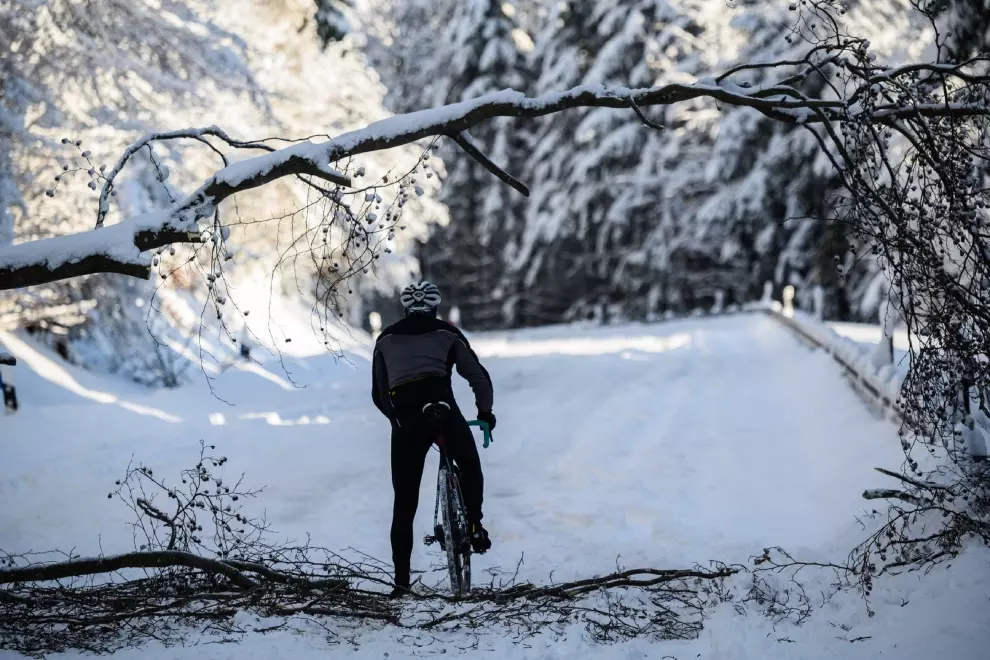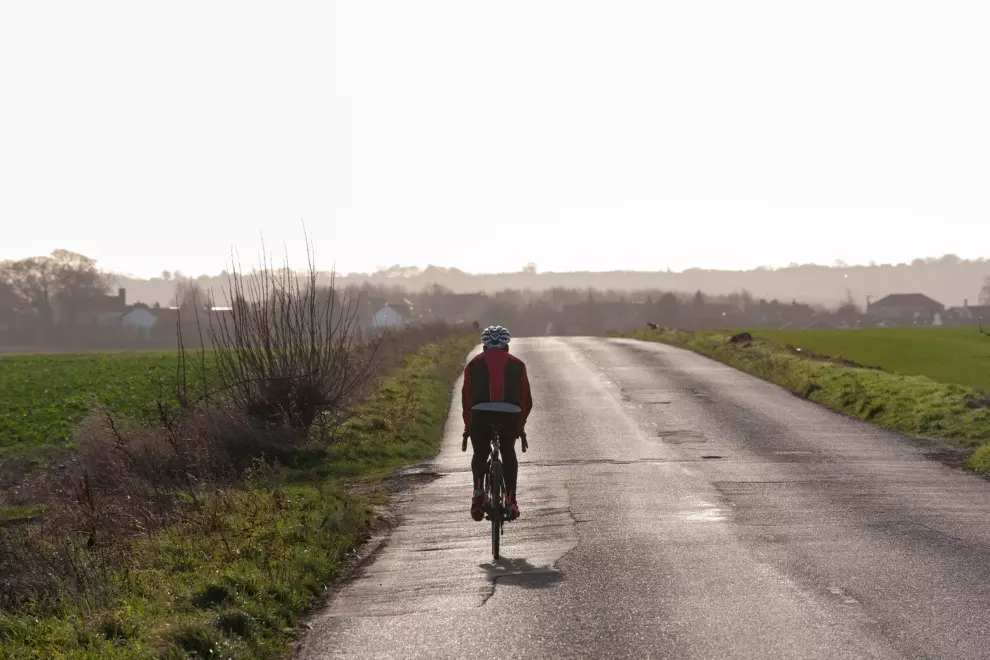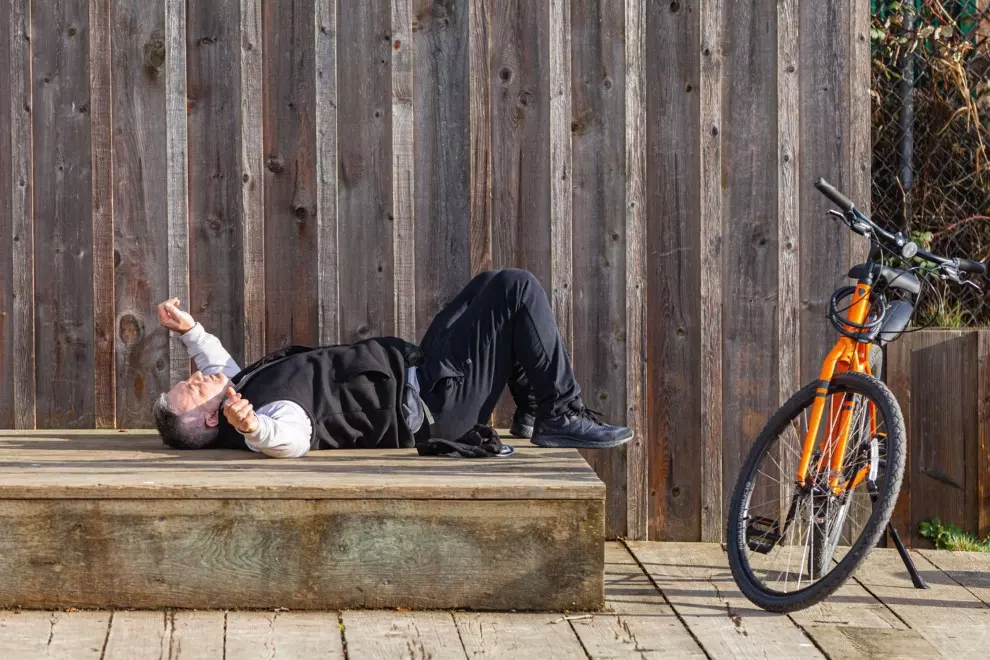
Welcome to late-winter fatigue — that special time of year when your legs are allegedly “building base” but feel more like they’re building resentment.
Let’s unpack what’s actually going on.
It’s not just you. It’s still winter.
If you live anywhere north of Girona, the end of winter is basically a controlled experiment in low mood and low watts. Days are getting longer, yes — but your body is still catching up after months of reduced daylight.
Your body doesn’t love:
-
Training in the dark
-
Waking in the dark
-
Returning home in the dark
-
Existing in the dark
Even if you’re nailing your zone 2 sessions, the hormonal backdrop isn’t the same as in May. Lower light exposure affects melatonin, serotonin, and cortisol rhythms — all of which influence how energised (or wrecked) you feel.
You’re not weak. You’re seasonal.
Base training is sneakily fatiguing
Winter “easy miles” are sold as gentle aerobic conditioning. And yes, metabolically they’re manageable. But cumulatively? They add up.
Long steady rides increase overall training load, stress connective tissue, require glycogen replenishment, and add systemic fatigue even if RPE feels low.
Because you’re not doing eye-watering intervals, you may underestimate how much fatigue is accumulating. Your Training Stress Score knows. Your ego does not.
This is especially true if you’re stacking gym work on top — heavy lifts plus long rides equals a very polite but very persistent fatigue curve.
You’re probably under-fuelling
Let’s address the quiet villain of winter.
When intensity drops, many riders subconsciously reduce carbohydrate intake. “I’m just doing base.” Yes. For three hours.
Cold weather also blunts thirst and hunger signals. Add in a slight desire to “lean out before race season” and suddenly you’re chronically under-fuelled.
Signs this is you:
-
Flat legs that don’t respond
-
Elevated resting heart rate
-
Poor sleep
-
Unusual irritability (you argued about tyre pressure, didn’t you?)
Winter is not the time to diet aggressively. It’s the time to build durability.
Immune load counts too
Winter isn’t just training stress. It’s low-level colds, office germs, poor indoor air quality, travel stress, and kid exposure (if you have them, you know).
Even if you’re not “ill”, your immune system may be working overtime. That background inflammatory load contributes to fatigue in ways your training plan doesn’t capture.
Your Garmin might say “Productive.” Your body might say “Absolutely not.”
The psychological drag
Summer fatigue feels heroic. Winter fatigue feels pointless.
Motivation costs energy. Riding indoors costs energy. Layering up costs energy. Convincing yourself it’s character-building costs energy.
If your rides are mostly solo, mostly indoors, mostly grey.
Your brain registers monotony. Mental fatigue bleeds into physical fatigue. You’re not just tired in your legs — you’re tired of the context.
You might actually need a deload
Here’s the uncomfortable bit.
A lot of riders treat winter as “grind season” and postpone proper recovery until spring. But fatigue doesn’t respect calendar narratives.
If you’ve been training consistently for 6–8 weeks without a genuine reduction in volume, your system may simply be asking for:
-
4–6 days of significantly reduced volume
-
A few full rest days
-
Sleep extension
-
Higher carbohydrate intake
That’s not weakness. That’s periodisation.
What to do about it
Before you panic and Google “overtraining syndrome” at 1 a.m., consider:
Increase light exposure
Morning daylight, even 10–15 minutes, helps reset circadian rhythm.
Fuel long rides properly
60–90g carbs per hour still applies in zone 2.
Plan structured deloads
Not accidental ones. Intentional ones.
Shorten some rides
Two high-quality 90-minute rides may serve you better than one soul-crushing four-hour slog.
Add something novel
Gravel detour. Skills session. Group ride. Anything that isn’t turbo + Netflix.
The good news
Late-winter fatigue is usually not failure. It’s accumulation. If you respect it now — fuel well, recover deliberately, manage load — you’ll come out of winter durable rather than depleted. And when the first warm, bright Saturday arrives and your legs suddenly feel alive again?
You’ll swear your FTP increased overnight.
It didn’t.
You just stopped fighting winter.