Realising winter riding feels different
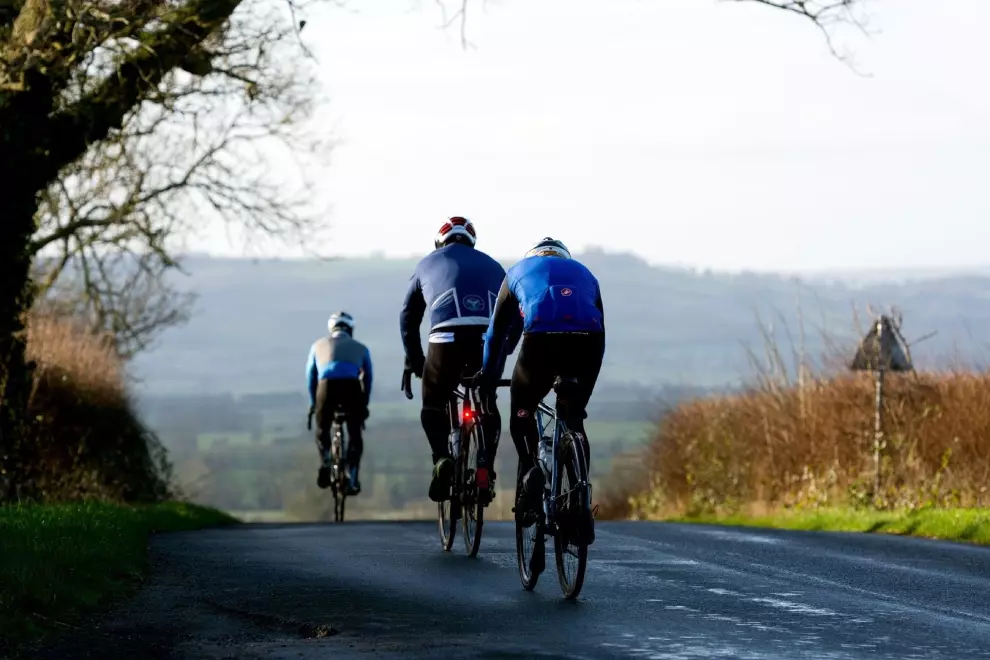
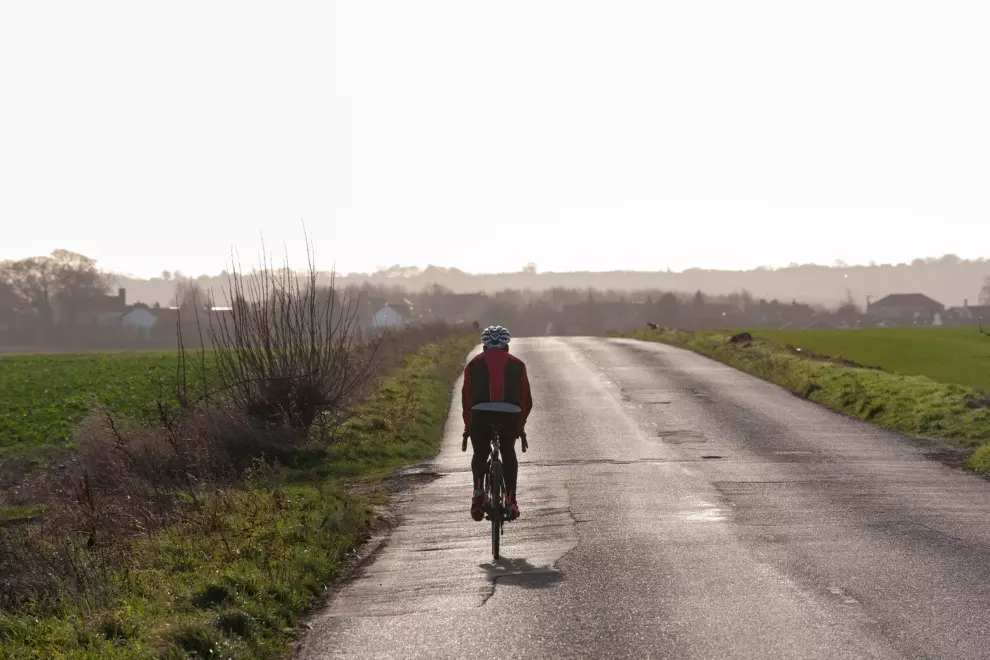
When I first started cycling through winter, I was disappointed by my average speeds. Even on days I felt good, my times always lagged behind summer efforts. Without a power meter back then, I could not take comfort in pushing the same effort, and it felt discouraging.
Over time, that took some fun out of riding. Chasing Strava segments made no sense because winter times could not compete with summer, and planning longer routes was limited by how much cold and fatigue I was willing to tolerate. So, I rode less in winter, even if conditions were good.
Discovering a new approach
That changed when I bought my first mountain bike as an adult. It shifted my focus. I enjoyed riding on snowy trails and learning skills instead of looking at speed. That mindset spilt over to the road bike. I began seeking out gravel even if I knew there was a smoother road nearby. I set myself arbitrary winter challenges, such as how far I could go below freezing before my toes went numb. Cycling in winter became either a character-building exercise or just a bit of fun, no more chasing average speeds.
This shift in mindset helped me enjoy winter riding again, but it also made me curious why winter feels so different on the bike. As it turns out, there are several physiological and environmental reasons why winter slows us down, even when our fitness stays the same.

Why winter riding is slower, according to science
There are five reasons supported by science that explain why everyone rides slower in winter. Understanding them helped me embrace going slower.
1) Cold muscles produce less power – Lower muscle temperature reduces metabolic efficiency and force production. Research shows endurance performance declines when muscle temperature drops in cold environments due to impaired muscle metabolism.
2) Reduced neuromuscular efficiency – Cold slows nerve conduction and affects coordination. Reviews confirm that cold exposure impairs force and power output by slowing neuromuscular function.
3) Energy goes to thermoregulation – In cold conditions, the body expends additional energy to maintain core temperature. Studies show metabolic cost increases in cold air as the body heats inhaled air and tissues.
4) Clothing increases aerodynamic drag – Aerodynamic resistance accounts for the majority of resistive forces when riding at speed, and research shows that rider clothing and body shape contribute most of that drag. Studies using wind tunnel methods indicate that smooth, form-fitting clothing reduces drag compared with bulkier or looser garments.
5) Road surfaces and handling change behaviour – Wet or icy surfaces lead to earlier braking, wider cornering and gentler acceleration. Field testing in cold outdoor conditions has demonstrated reduced power and cadence linked to ambient temperature and surface changes.
Embracing the slow season
Once you understand the physiological and mechanical factors behind winter slowness, it becomes easier to let go of summer expectations. Winter does not have to be about speed. It can be about skills, exploration, consistency, and resilience.