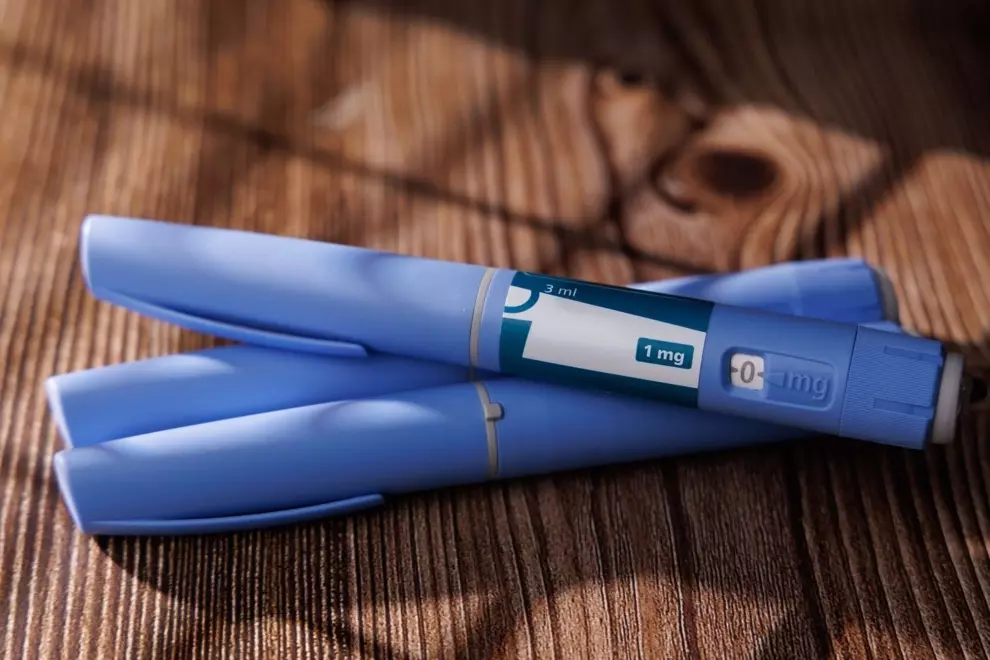
When the medication leaves your system, your natural appetite and “food noise” return, sometimes with a vengeance. If you rely solely on the drug to manage your weight without building sustainable habits, you risk ending up right back where you started.
Cycling is a part of your off-ramp strategy
While the risk of weight regain is real, cyclists actually have a unique advantage when transitioning off GLP-1s. The secret lies in using your time on the medication not just to shed pounds, but to rewrite your relationship with nutrition, strength training, and daily activity.
As we discussed in previous articles, cycling while on medication like Ozempic forces you to pay extra attention to your food intake on and off the bike. It also forces you to strength train consistently to prevent muscle-tissue breakdown. These skills are essential when you start tapering GLP-1s.

4 essential steps for life after GLP-1s
To ensure your performance gains and weight loss stay permanent after you stop taking GLP-1s, focus on these foundational strategies during and after your taper.
1. Transition from medically muted to mindful eating
While on GLP-1s, eating less happens almost automatically. Off the meds, you have to consciously manage the returning hunger. Use your time on the drug to learn what proper meal composition looks like. Focus on dense protein, high-fibre vegetables, and whole-food carbohydrates. When appetite signals return, relying on structured, high-satiety meals prevents overeating.
2. Keep your fuelling on the bike disciplined
Do not mistake your return hunger off the bike as a reason to underfuel on the bike. Depriving your body of carbohydrates during rides triggers intense physiological cravings later in the day, leading to evening binges. Use the extra focus on fuelling on the bike you developed when on the medication to your advantage. Keep fueling your workouts intentionally so you finish rides satisfied, not starved.
3. Maintain your resistance training schedule
The strength training habits you build to protect muscle while on the medication become your primary insurance policy off of it. Muscle tissue is metabolically active; the more lean mass you retain, the easier it is to maintain your energy balance. Keep up your 1-2 weekly resistance sessions indefinitely.
4. Use the saddle for long-term maintenance
The cardiovascular fitness and mental well-being you gain from cycling provide a lasting motivation that outlives any prescription. Use your love for the sport as your ultimate insurance for your new healthy weight.
The big picture
GLP-1 medications can jumpstart your journey toward a leaner, healthier body, but they are tools, not permanent solutions. By using your time on the medication to build structured eating and fuelling practices, preserve muscle through lifting, and lock in consistent cycling habits, you set yourself up for living a healthy life after meds.