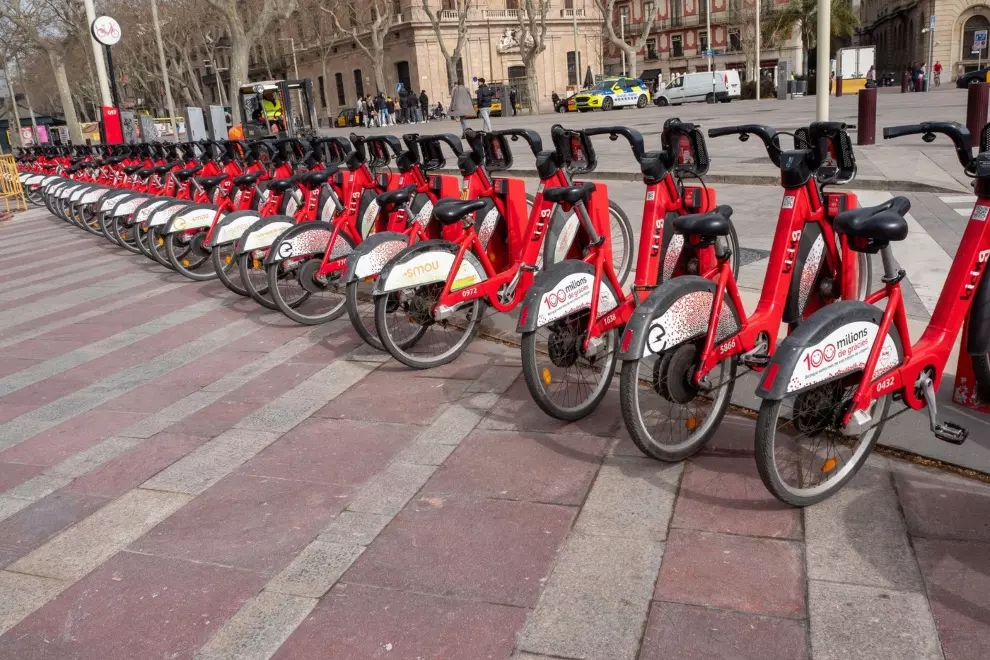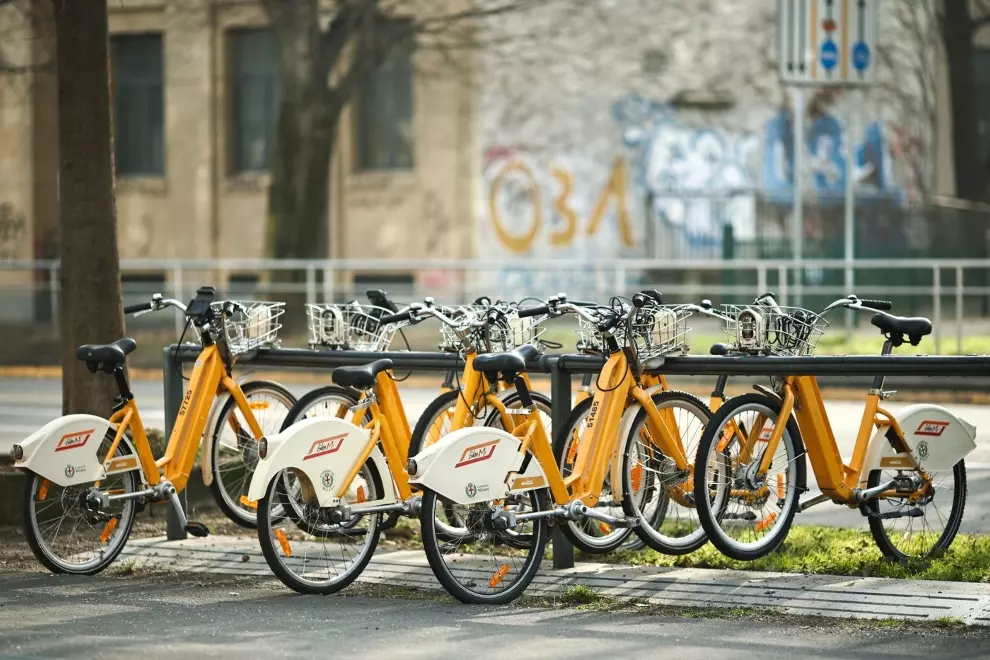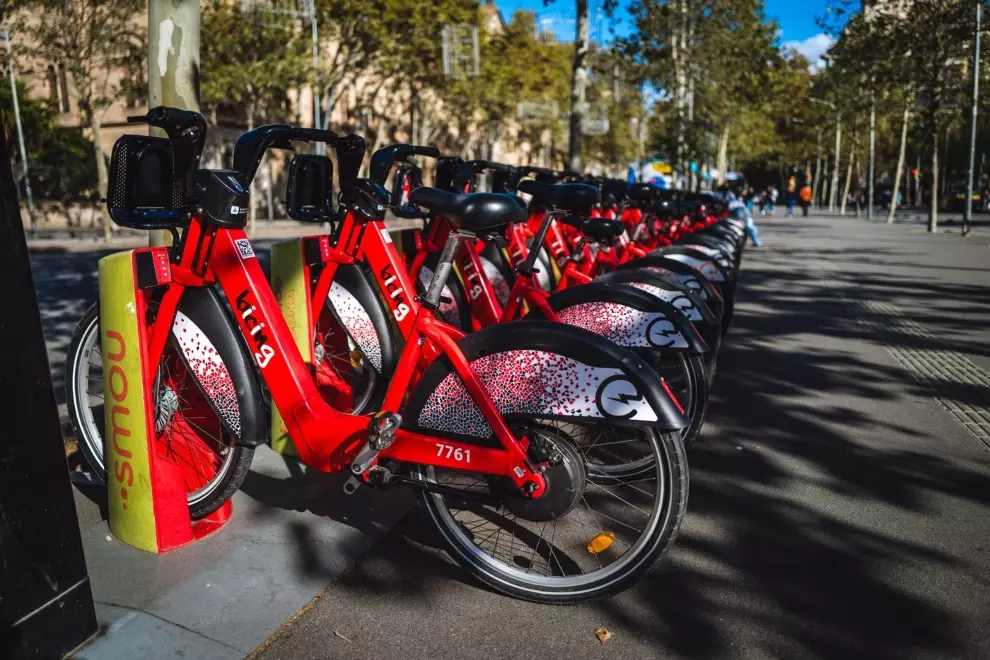
In this article, I’m going to talk about Prague because that’s where I’ve spent most time riding on shared bikes. But I think a lot of the same ideas probably apply to many other European cities as well.
1. Connected, physically separated bike lanes
Prague’s cycling infrastructure is a patchwork. Some areas have smooth, dedicated lanes; others have nothing but a painted line or worse, no bike lanes at all. Plus, it’s really common for bike lanes to abruptly end before intersections. The result? Cyclists are forced to merge with cars, which feels risky, especially without a helmet. Or they choose the sidewalk which is not allowed and creates conflicts with pedestrians.
The solution is simple on paper: more connected, physically separated bike lanes. When cyclists feel safe, more people will ride. Physical barriers (not just paint) would make shared bikes appealing to families, older adults, and anyone who doesn’t want to dodge traffic. And riding without a helmet would not be as risky in that scenario. Cycling infrastructure is a problem that most cities in the world struggle with because it takes money and you need politicians to be in favour of spending it on bike lanes. I see progress every year, but it’s painfully slow.
2. More stations in under-served areas
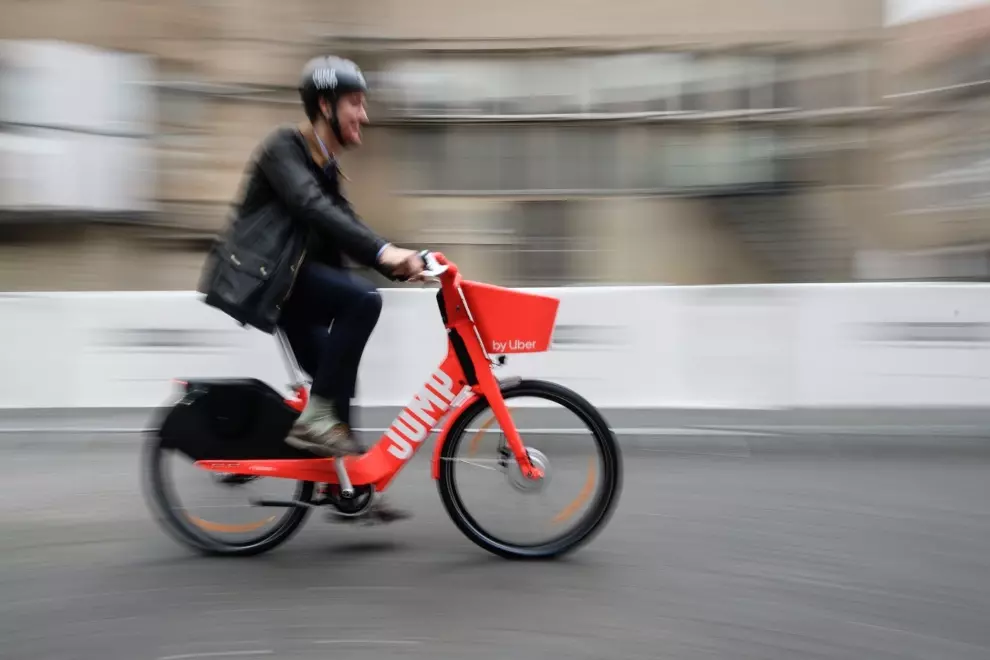
I’m lucky that I live in an area with great bike coverage. But step outside Prague’s wider centre, and shared bikes disappear. Most people don’t live in the tourist core, they live in neighbourhoods where stations are sparse or non-existent.
Expanding coverage to these areas would let them use shared bikes for local trips to the doctor, the mall, or the gym. And with more availability, shared bikes would be more top of mind so usage would increase all over the city.
3. Better winter maintenance
Winter is the Achilles’ heel of bike sharing. When temperatures drop, unmaintained paths turn to ice, making cycling impractical or downright dangerous. If Prague treated bike lanes a bit more like roads, ploughing and salting them regularly, riding could be a year-round option, not just a fair-weather luxury.
4. Larger bike hubs at key metro stops
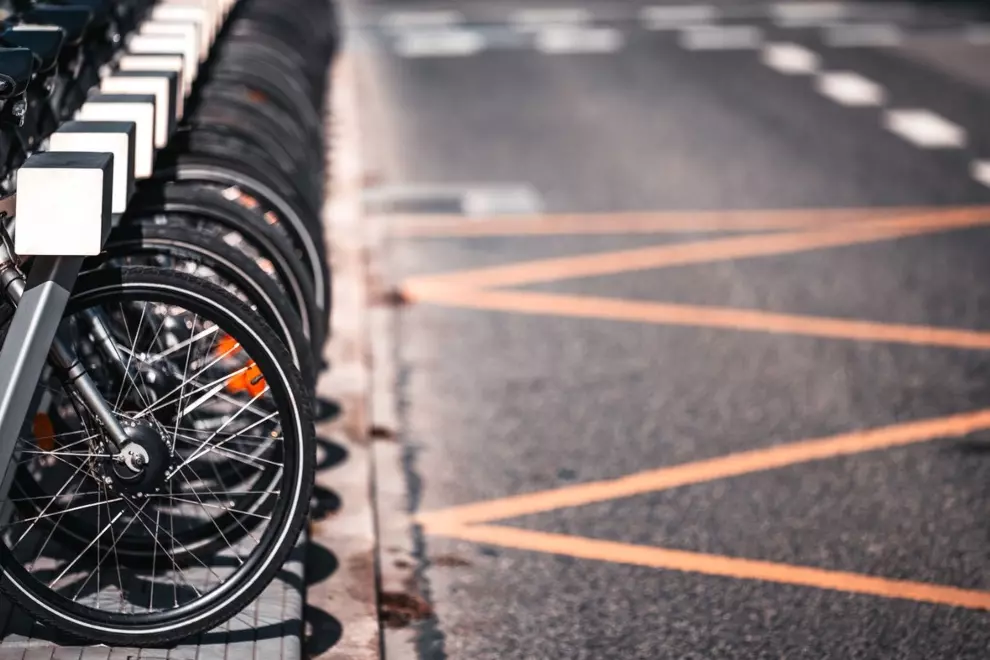
Imagine this: You take the metro to a major station, and instead of waiting for a bus or tram, you grab a shared bike for the last mile. Some stations already have small bike-sharing hubs, but they’re often too small, leading to bikes running out during peak times.
Bigger hubs at major transit points would make bike sharing a seamless part of public transport, not just an alternative.
5. More electric bikes for hills and longer distances
Prague isn’t flat. For neighbourhoods on hills or farther from the centre, regular shared bikes can feel like a chore. Electric bikes would change that, making longer trips and steeper routes feasible for more people. E-bikes are already part of Prague’s offering but they are still relatively scarce. This would be a key step for expanding availability to most key neighbourhoods.
The cultural shift: from owning to accessing
One of the biggest mental blocks to bike sharing for me was the idea that you need to own a bike. For years, I resisted shared bikes because I already had my own commuter bike for the city. Why pay for something slower and heavier?
But here’s the revelation: You don’t need a “city beater” bike anymore. Shared bikes replace the need for a commuter bike entirely. No maintenance, no storage, no worries about theft, just grab one when you need it.
Many people haven’t realized this yet. There’s a behavioural lag, old habits die hard. But as more cities improve their systems and as more shared bikes are seen in action, the idea of owning a bike for urban trips will start to feel unnecessary.
Why the next generation will see bike sharing as default
I see a change happening among city dwellers, especially the younger generation. For younger people, the idea of owning a car or even a bike isn’t a given. It could be an economic necessity or perhaps something that’s unavoidable as the “pay for access” business model seems to be so prevalent. Theyounger generation is used to access over ownership, whether it’s streaming instead of buying CDs or using ride-hailing apps instead of buying a car. Bike sharing fits right into this mindset.
I can see a future where the bikes you own will be the fun bikes that take you on adventures. And the bikes you ride for utility and transportation will blend together with public transport. And that’s why I hope Prague and other cities accelerate the infrastructure changes to be ready for it.