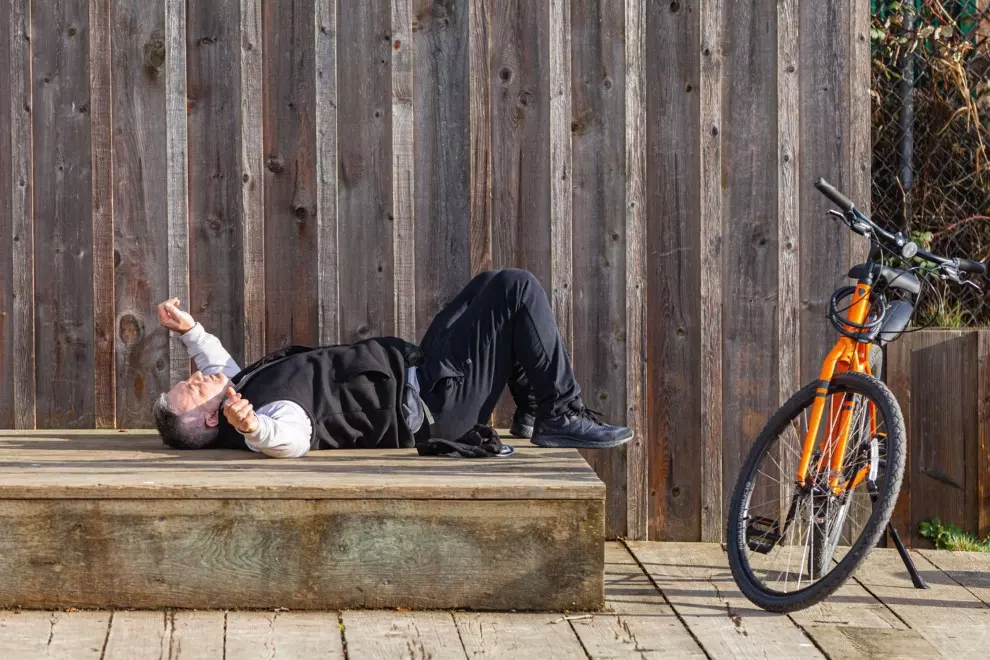
That omission costs more fitness than most riders realise.
Rest is not the absence of training
In cycling culture, rest is often framed as what happens when training stops. In reality, it’s when adaptation happens. Training provides the stimulus; rest allows the body to respond to it. Without enough recovery, you’re not stacking fitness. You’re stacking fatigue.
Off-season rest is not about doing nothing forever. It’s about removing structure, lowering physiological stress, and giving systems that were taxed all year space to reset.
The systems that actually recover in the off-season
During the season, most riders think in terms of legs and lungs. Off-season rest repairs much more than that.
Musculoskeletal system
- Tendons adapt slowly and need reduced load
- Minor niggles resolve only when repetition stops
- Asymmetries even out when movement variety increases
Nervous system
- Constant alertness, pacing, and effort regulation accumulate fatigue
- Reaction time and coordination recover with true downtime
- Motivation resets when performance pressure disappears
Hormonal and immune function
- Chronic training stress elevates cortisol
- Sleep quality often improves once volume drops
- Illness frequency typically falls after genuine rest
These changes don’t show up in TrainingPeaks. They show up in how trainable you are later.
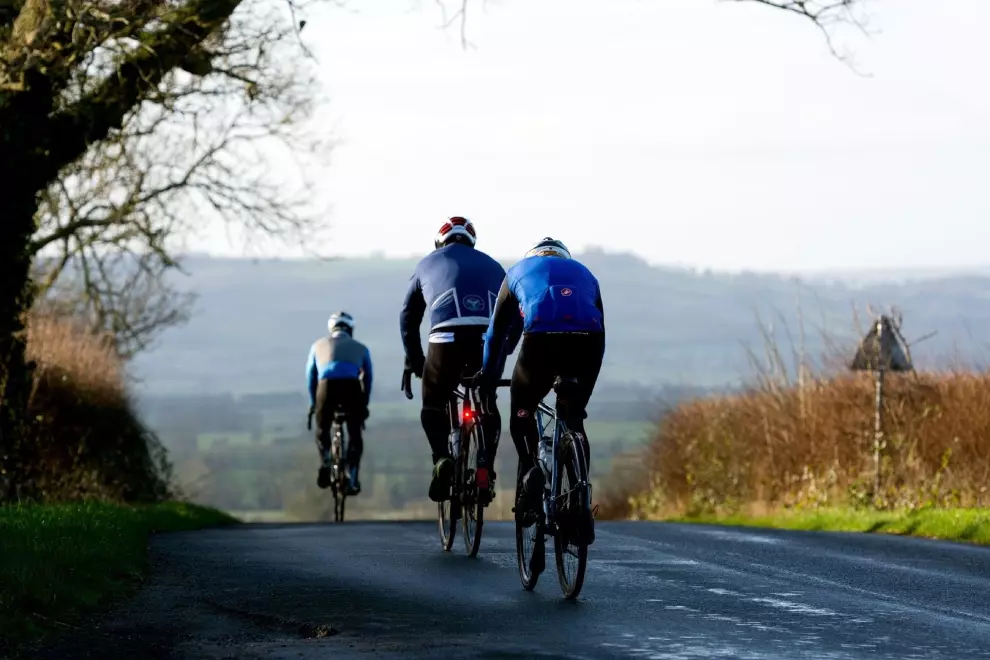
Why sleep is the foundation, not the accessory
If rest is the block you skip, sleep is the pillar you underestimate.
During deep sleep:
- Growth hormone release supports tissue repair
- Glycogen replenishment improves
- Neural learning and motor patterns consolidate
Off-season is the best time to:
- Normalise bedtime and wake time
- Remove early-morning training alarms
- Let sleep length stabilise naturally
Adding an hour of sleep can do more for spring performance than adding an extra winter interval session.
Unstructured time is not “lost fitness”
Riders fear that without structure, fitness evaporates. In reality, unstructured movement preserves aerobic capacity while reducing mental load.
This can include:
- Easy social rides
- Commuting by bike without targets
- Hiking, swimming, cross-country skiing
- Riding terrain you normally avoid
The key feature is no prescribed outcome. No power targets. No segments. No “making the ride count.”
This is not laziness. It’s a strategic reset.
The psychology of skipping rest
Many riders skip rest not because they don’t understand it, but because it’s uncomfortable.
- Rest removes identity reinforcement (“I train, therefore I am”)
- It creates anxiety about losing form
- It lacks immediate feedback
Ironically, riders who struggle most with rest are often the ones who need it most. Burnout rarely arrives suddenly. It accumulates quietly when recovery is treated as optional.
What proper off-season rest actually looks like
Rest is individual, but effective off-season recovery usually includes:
- 1–3 weeks with no structured training
- Reduced overall volume
- Emphasis on sleep and nutrition
- Mobility work without performance pressure
- Movement for enjoyment, not metrics
You should finish the rest phase feeling:
- Physically fresher
- Mentally curious about riding again
- Slightly “undertrained” but motivated
That feeling is not a warning sign. It’s readiness.
The long-term payoff
Riders who plan rest deliberately tend to:
- Absorb training faster in spring
- Maintain consistency longer
- Experience fewer overuse injuries
- Sustain motivation year after year
Fitness is cyclical. Respecting that cycle is what separates long careers from short, intense ones.
Rest doesn’t make headlines. It doesn’t generate screenshots. But it determines whether the work you do next actually works.
And in the off-season, it might be the most important block you never scheduled.