Leaving summer habits behind
In a previous article, I explained why I let go of chasing speed, Strava segments, and personal bests in winter. There are objective reasons behind slower average speeds, and I eventually made peace with that. Letting go of those habits created space for a completely different way of riding.
This winter alone, I have already had three distinct types of rides: fresh snow, melted snow and ice, and frozen soil before any snowfall. All three demanded different skills and a different mindset, but all were enjoyable in their own way.
Fresh snow: unpredictable and playful
Riding through about 10 cm of fresh snow is probably the most unpredictable type of winter ride. You never know what is under the surface, whether the tyre will grip or drift, or when the bike will suddenly start sledgingforward instead of rolling. It becomes a game of reading tiny cues from the front wheel, feeling those brief twitches that tell you what is happening, and adjusting your balance to keep momentum. Climbing in fresh snow also forces you to change technique. Power alone does not work. You need to shift your weight, balance, and be patient. It’s really hard and slow but also new, beautiful, and fun to ride in the snow.
Melted snow and ice: slow and precise
Riding after the snow has mostly melted and refrozen into ice is a different sport again. This is probably the least fun surface in terms of speed, because you cannot build much without risking a fall. Weight shifts that would be harmless in summer suddenly cause a sideways slip. Corners demand slow entry, relaxed hands, and careful line choice.
But there is something interesting about it, too. You appreciate how important a good line choice is to maintain grip. It’s not relaxing, but it is mentally engaging, and I enjoy the challenge of trying to stay upright when the bike clearly wants to slide. One or two rides like this per season are probably enough for me, but I do like the sense of adventure of it.
Frozen soil: familiar yet different
Before the first snow this year, I also had rides on frozen soil in the forest. The trails looked similar to summer, but every rut and tyre track that would normally deform under the wheel became a solid obstacle. Frozen bumps felt like roots and demanded more attention. Even a straight path became engaging because you could not switch off. Riding my trail bike in these conditions made me feel present in a way that summer sometimes does not. There was no autopilot mode.
The mini expedition mindset
Another reason winter feels like a different sport is the preparation. Clothing becomes strategy. Layering becomes problem-solving. I find myself asking how many socks to take, whether today warrants heat pads in the shoes, and whether my thickest gloves will keep me warm or make me sweat on the climbs. It feels a little bit like preparing for a mini expedition rather than heading out for a casual ride.
I have misjudged it many times. Completely numb toes are a rite of passage, and the painful rewarming process is certain to linger in your memory. But when I get it right, it feels rewarding. It makes me feel capable,and the ride feels earned.
Shared hardship, shared respect
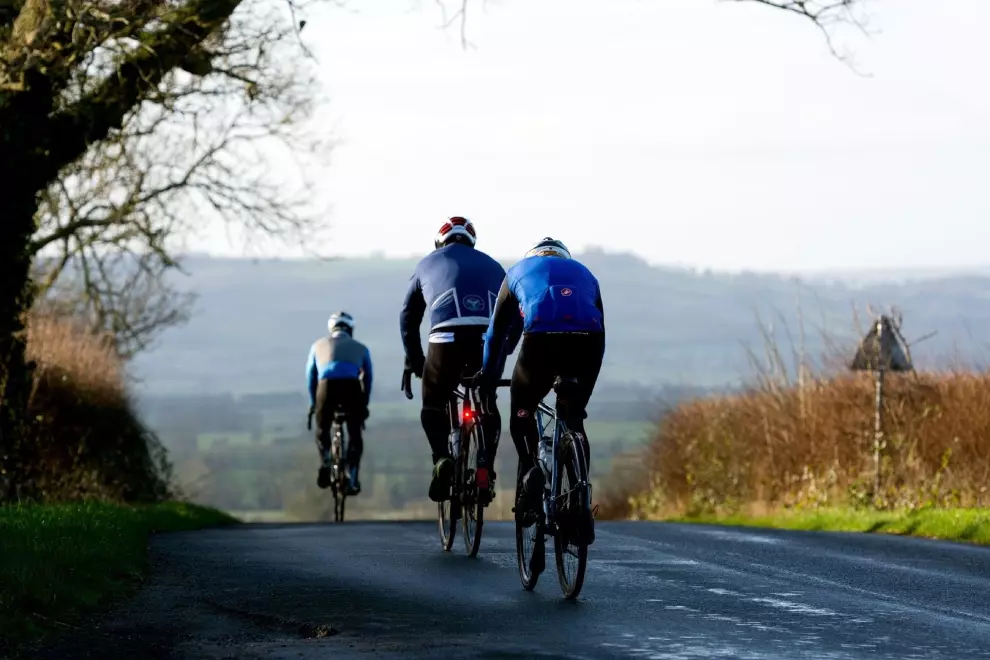
One of my favourite parts of winter riding is the small social interactions. In summer, cyclists, runners, skaters, and pedestrians often stay in their own lanes, and sometimes even in their own ego bubbles. In winter, it is different. When the conditions are harsh, you get a nod from anyone you meet. Road cyclists greet me while I am on my trail bike. Even runners and cross-country skiers give a nod. Basically, anyone you meet gives you a smile that says we are all in this together.
It feels like shared hardship, and with that comes mutual respect. It sounds small, but those gestures add something to the ride that metrics never could.