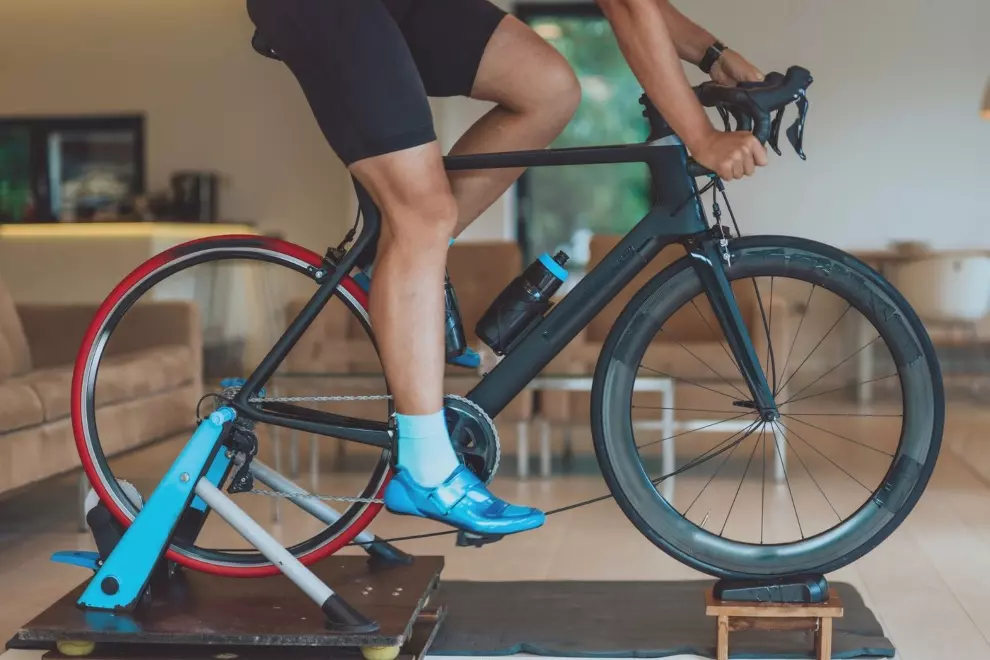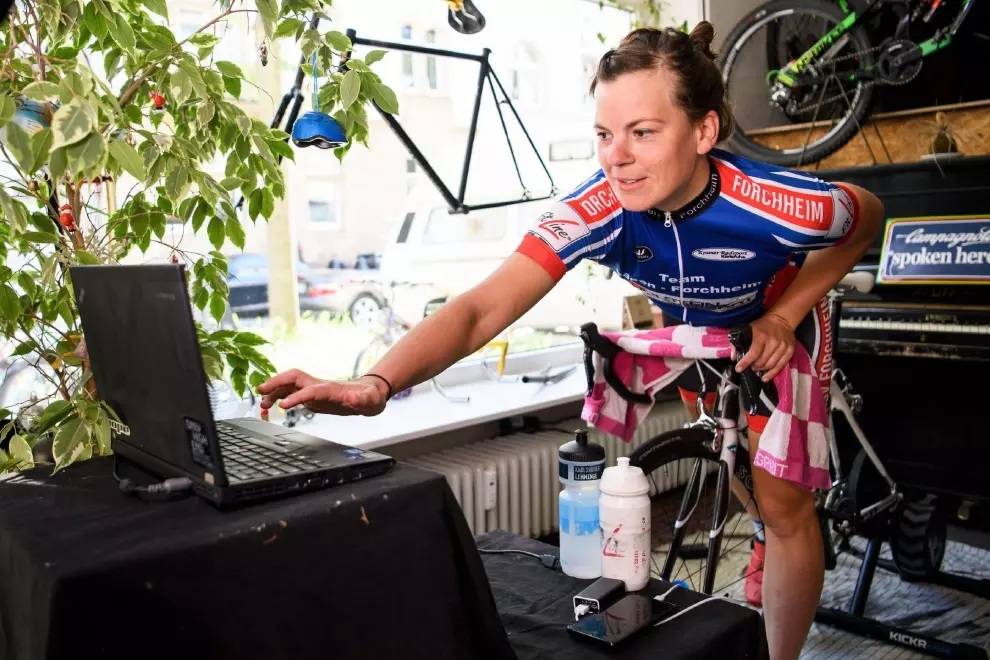
This final part of the series isn’t about questioning whether indoor cycling works. It clearly does. Instead, it’s about stepping back and asking what else winter training could look like, and what you might be giving up, intentionally or not, when indoor cycling becomes your default.
Time: what else could you be doing with those hours?
One of indoor cycling’s biggest strengths is how easy it makes consistency. You can ride almost every day, regardless of daylight, weather, or temperature. Platforms reward this rhythm, encouraging frequent sessions and regular engagement.
But time is finite. Hours spent on the trainer are hours not spent elsewhere.
Winter opens the door to a wider range of movement than summer cycling often allows. Running, swimming, bouldering, cross-country skiing, and even downhill skiing all become viable options when outdoor cycling isn’t as appealing. Each of these sports offer a different way to have fun while staying fit as well as a different training input, but more on that later.
The question isn’t whether indoor cycling is productive. It’s whether it’s the most rewarding use of that time you have for physical activity.

Physical trade-offs: what indoor cycling doesn’t train
Indoor cycling is excellent at improving cycling-specific fitness, but a lot more. Here are a few examples of what those different sports can bring to complement all the cycling that you do throughout the year.
Bone density: Cycling, indoors or outdoors, is famously low-impact. That’s great for joint longevity, but less ideal for bone health. Activities like running and cross-country skiing introduce impact forces that cycling simply doesn’t provide, helping maintain or improve bone density over time. For riders who cycle year-round, winter may be the only realistic window to address this gap.
Functional strength: Indoor cycling can help with cycling specific strength, but if you want to be stronger overall, you have to look elsewhere. For me, bouldering fills that gap far better than the gym ever has. It develops upper-body strength, grip, core stability, coordination, and problem-solving. And most importantly, it’s mentally engaging and fun! Traditional gym work could probably achieve similar goals more efficiently, but I find it uninspiring.
Injury resilience and overall robustness: Cycling fitness is not the same as being a robust, well-rounded athlete. That’s something that pros and competitive amateurs have to give up. But us non-professional have the luxury to pursue this more balanced approach. Movement variety matters for this. Sports that challenge balance, coordination, and different muscle groups help build resilience and may reduce the risk of overuse injuries once riding volume increases again in spring.
Mental freshness and motivation
Indoor cycling platforms are designed to keep you engaged. That’s their job. But constant engagement can quietly turn winter into a grind, especially if every session carries an implicit expectation to perform and improve.
For some riders, a few months away from structured cycling is exactly what restores motivation. Stepping away doesn’t mean losing fitness entirely, it means returning with renewed enthusiasm. When the bike feels exciting again in spring, not obligatory.
When indoor cycling is clearly worth the trade-off
Taking all of the above into consideration, there are still plenty of situations where the opportunity cost is low and the benefits are obvious.
- For riders with clear performance goals for the coming season.
- For riders who want to minimise the spring “re-entry shock”.
- For cyclists who don’t enjoy other sports enough to stay consistent.
- For time-crunched riders who prefer controlled, low-risk training environments.
When something else might be better
On the other hand, as this article suggests, there are likely a fair number of passionate cyclists like me, who thrive in the off-season without any indoor cycling. Here are some example scenarios when the opportunity cost of indoor cycling would be too high.
- Those with access to multiple enjoyable winter sports.
- Cyclists prone to burnout from year-round structure.
- Riders who value exploration, novelty, and fun over marginal fitness gains.
- Anyone more interested in maximising interesting experiences than cycling-specific fitness for next season.
Choosing deliberately, not automatically
Indoor cycling is a powerful tool, but it’s not an obligation. The mistake isn’t choosing it, it’s choosing it by default, without considering what else winter could offer.
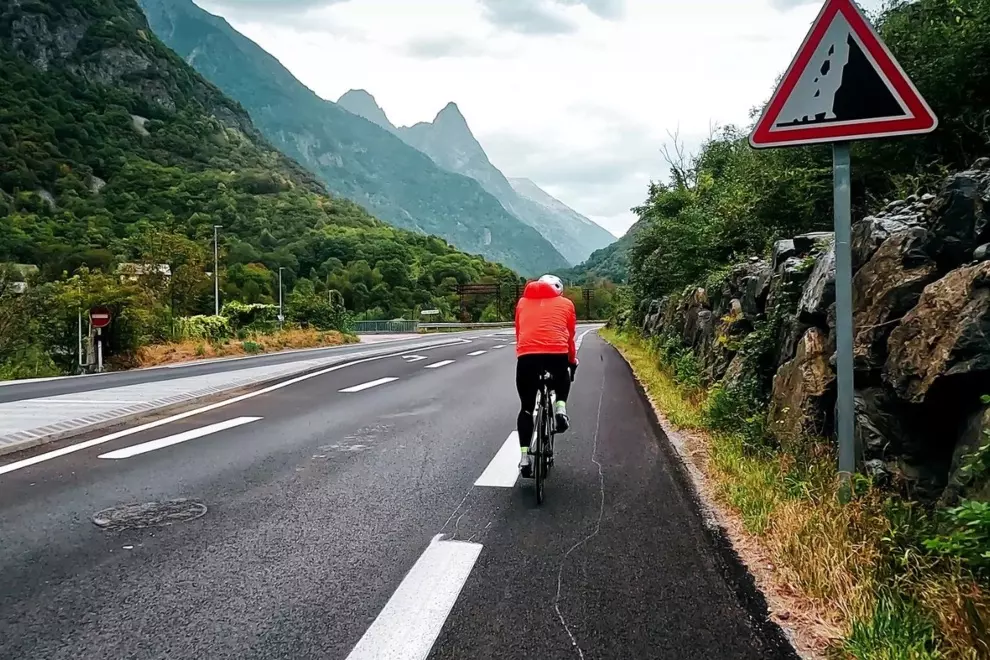
Some winters, indoor cycling might be exactly right. Other years, riding outdoors when conditions allow and filling the rest with running, swimming, skiing or climbing may be the right thing for you.
The most important question isn’t what should cyclists do in winter, but what do you want winter training to give you and what are you willing to trade for it?