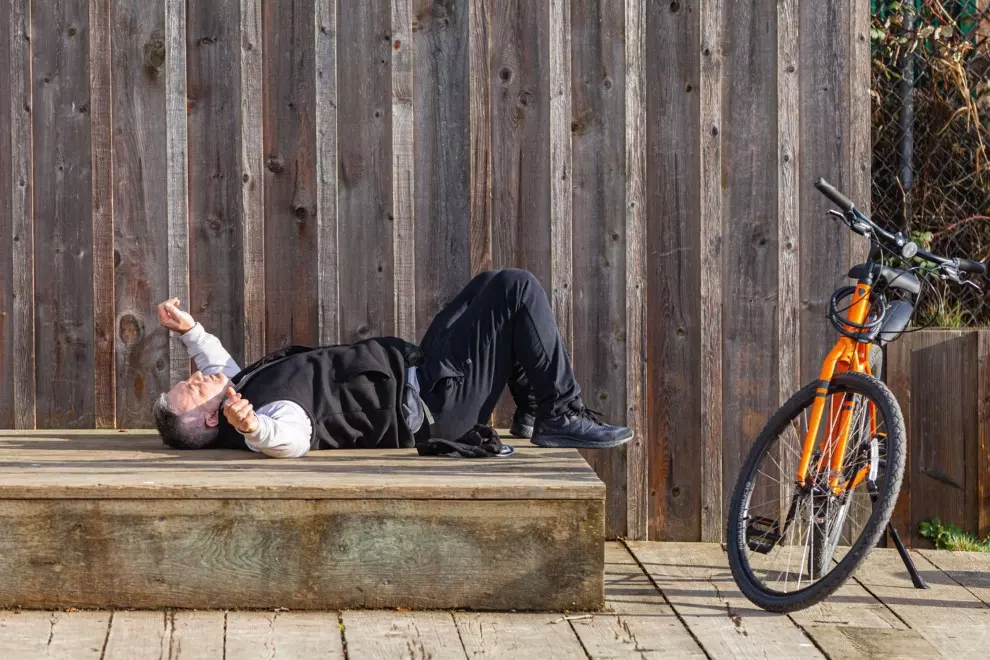
After that, I slowly reintroduce training and body work, gym sessions, yoga classes, and gentle rides. I usually start with two to three hours on the bike in the first week and increase the volume as time goes by. And honestly, I definitely enjoy being back on structure. It gives me a calm mind and a sense of accomplishment at the end of the day. Floating around is nice for a while, but not sustainable for longer periods because I start to lose my sense of stability.
When it comes to planning, it really depends on how I finish the season. Sometimes I’m completely wiped out and not ready for cycling-related conversations at all. I wait until I feel that hunger or curiosity again before talking with my coach and the Sport Directors. This year, I finished mentally fresh and in a happy place, so I was actually looking forward to those “what’s next?” chats.
Race calendar planning always starts with reflecting on the past season with my team. We look at what went wrong and what didn’t, and that gives us a direction for the future. I’m fortunate now to be in a position where I can decide which races I really care about and what I want to prepare for, even if it means sacrificing other events. It took years of proving myself, but it’s a good feeling to know the people you work with trust you and give you a real say in what you believe you can win.
I do start the year with specific goals, smaller ones and big ones. The more the better. They keep me on track and give me a massive boost of motivation. I need to feel like I’m pursuing something, so I don’t slow down or give up when things get hard or don’t go the way I planned. I set goals for my performance, my diet, my recovery time, and, yes, my results.
Zobrazit příspěvek na Instagramu
Balancing big races like the Tour de France Femmes avec Zwift with recovery depends a lot on getting through the Classics first. They’re tough to manage because the weather is often bad, we travel every four or five days, and everything is more stressful and hectic. The likelihood of crashes is higher, too. If I make it out of Classics season without “bad luck,” the rest gets a lot easier. I go to altitude camp, refocus my training on endurance and long hours in the saddle, and do more stage-race specific work.
The off-season is also when I handle equipment changes. I’m not a big change-lover at all; if I could, I’d wear the same shoes and saddles for eternity. But things wear out, and as a pro cyclist, you have to be extra careful, because you don’t want to injure yourself. I usually get my insoles customised, do a full bike fitting when I change shoes, and make sure the cleats are in precisely the right place. Any slight adjustment can cause back or knee issues that linger for weeks.
Every time I assume I can do something myself, I end up seeing my physio almost every day. When the body is used to a certain movement and range, even tiny changes to saddle height or cleat position can overload muscles that aren’t ready for it. It feels like a lot sometimes, new shoes = new insoles = cleat check = bike fit, but it’s worth it in the long term.
I’ve learned that if you make changes with professionals around you, almost any change can be a good one. But doing things yourself, without proper measuring or double-checking, usually sends you in the wrong direction. Personally, I don’t like changing saddle height at all.
Mentally resetting is much simpler: I just disconnect from anything cycling-related for a couple of weeks. And when I’m ready to shift from rest mode back into race mode, I start eating clean and having proper meals again. In off-season mode, I don’t pay much attention to nutrition.
And the thing I do just for fun? Riding my bike sloooow with friends who make me laugh. No training benefit — just joy.