
The longest trial of its kind
Researchers at the University of Liverpool and the University of Leeds ran what they describe as the longest and most comprehensive randomised controlled trial on diet soft drinks to date. Called SWITCH, it followed 493 adults aged 18 to 65 with overweight or obesity for 2 full years.
Participants were randomly split into two groups:
Water group: at least two 330 ml servings of water a day, and no sweeteners, not even in tea or coffee.
Diet drinks group: at least two 330 ml servings a day of commercially available drinks sweetened with aspartame, acesulfame-K or sucralose, well within European Food Safety Authority safety limits.
Everyone also joined a behavioural weight management programme with advice on healthier eating and cutting sugar. The first 12 weeks focused on active weight loss, the next 40 weeks on supported weight maintenance. Then came the real test: a final year in which participants were on their own.
Why scientists were worried
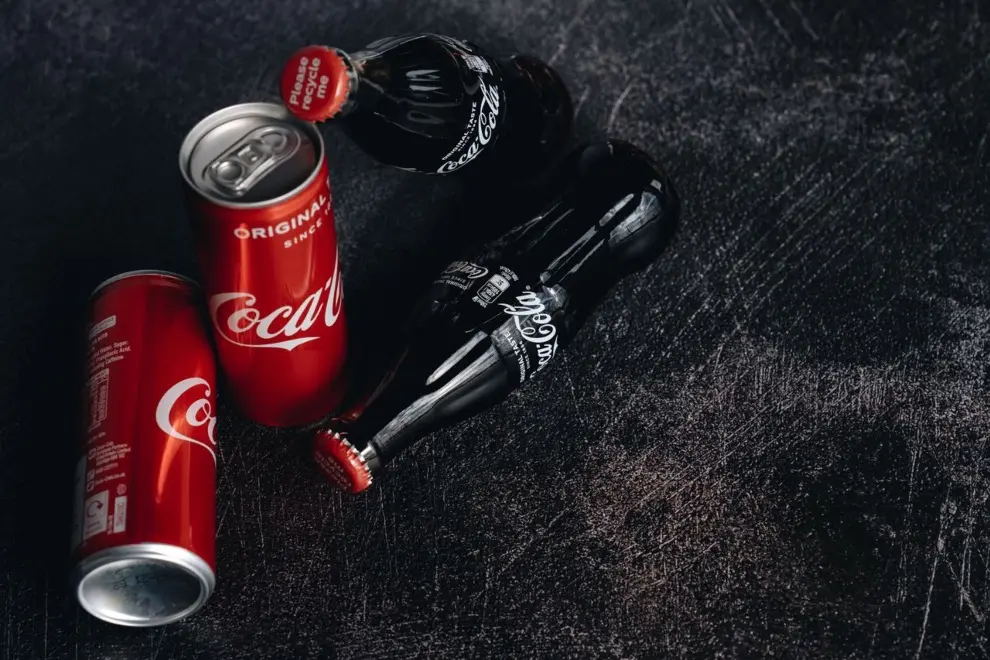
The concern about sweeteners is not just internet folklore. The theory goes that tasting something sweet without getting the matching calories could confuse appetite regulation, leaving you hungrier and more likely to overeat later. Much of the worry comes from observational studies, which can show that diet drink fans tend to weigh more, but cannot tell whether the drinks cause the weight gain or whether people who are already heavier simply choose diet drinks. A long-term randomised trial is the best way to untangle that.
What the researchers found
After 104 weeks, the diet drinks held their own:
- The diet drinks group lost 4,8 kg on average and the water group 3,7 kg. The difference was not statistically significant.
- Both groups kept their weight off through the final unassisted year.
- Both groups reduced their waist and hip circumference and improved body composition and several metabolic markers.
- There were no clinically meaningful differences between groups in blood pressure or cholesterol.
- Sugar intake fell in both groups, slightly more in those drinking diet beverages.
In other words, the data did not back up the idea that sweeteners ramp up appetite or cause long-term metabolic harm. “This study provides the long-term clinical evidence that has been missing from international discussions,” said Jason Halford, Professor of Biological Psychology and Health Behaviours at the University of Leeds, who co-led the research. In his view, diet drinks perform equivalently to water over two years for people trying to manage their weight.
What this means for cyclists
Swapping sugary drinks off the bike: If a can of cola or a glass of juice is part of your daily routine, switching to a zero-sugar version looks like a reasonable move, at least for your weight. Water remains the simplest default, but this trial suggests you don’t need to feel guilty about the occasional diet drink.
Winter weight management: When riding hours drop in the off-season but the habit of reaching for something sweet stays, a zero-sugar drink can scratch the itch without adding calories.
Mind your teeth: Zero sugar doesn’t mean zero acid. Many carbonated soft drinks, diet versions included, are acidic enough to soften tooth enamel, so sipping them all day isn’t ideal. Rinsing with water afterwards helps.
Diet drinks won’t melt the kilos away, but this two-year trial suggests they won’t sabotage your efforts either. Keep water as your go-to, save the sugar for the bike, and if a zero-sugar drink helps you skip the full-sugar one off the bike, go for it.