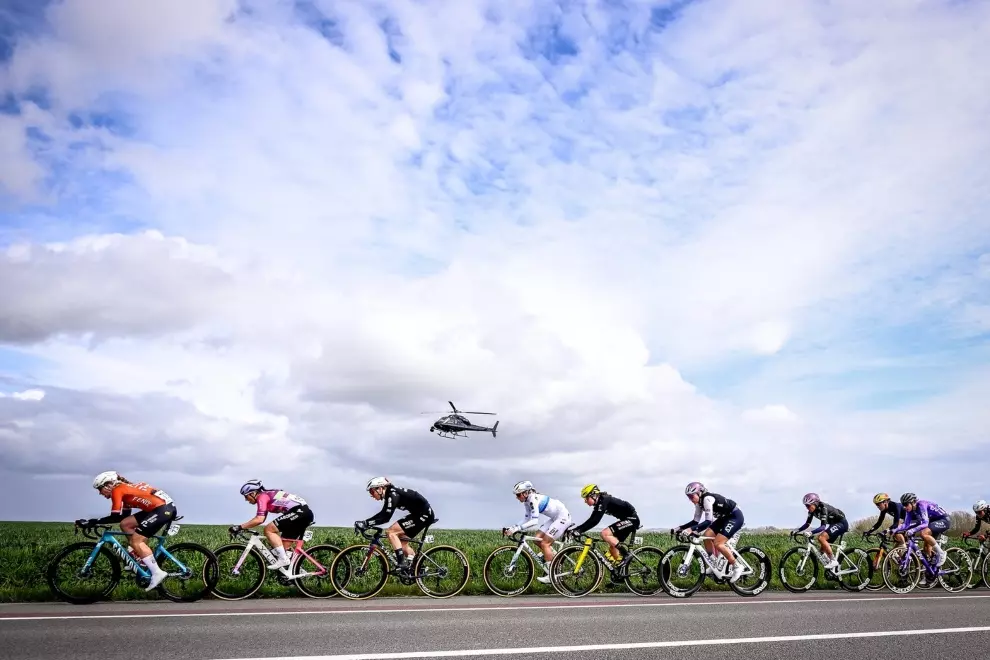
Despite the inevitable exceptions that prove the rules, they had a stacked deck and played it well. With so many strategies, specialists, and all-rounders at their disposal, if one plan failed, there was always another waiting. And for a while, the rest of the peloton was left trying not so much to beat them, but just to survive with their dignity intact.
Fast forward to now, and something feels different. Race by race, the certainty of any particular outcome has faded. The peloton, once shaped around one team’s gravity, has started to rebalance.
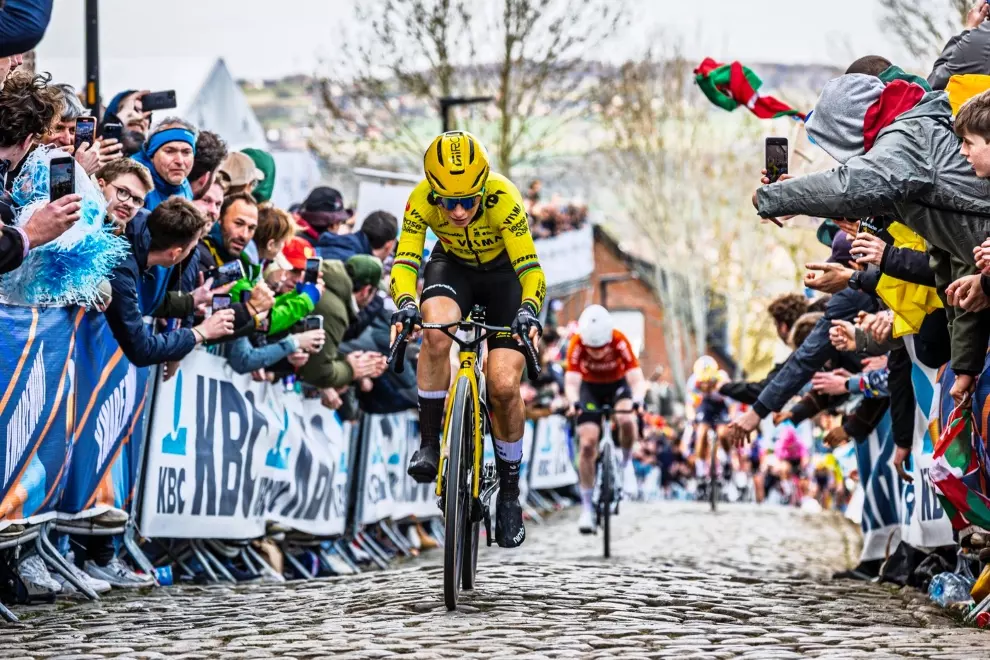
I’d argue that at the centre of that shift are three teams pulling the sport in slightly different directions: UAE Team ADQ, FDJ United-SUEZ, and SD Worx-Protime itself. That said, across the peloton, others are increasingly shaping how races unfold. Lidl–Trek Women have built a formidable Classics squad around riders like Elisa Balsamo, while Visma–Lease a Bike Women continue to grow with a mix of young talent and experienced leaders such as Marianne Vos.
Teams like Canyon–SRAM Racing and Movistar Team Women regularly place riders deep into decisive moments as well. The result is a peloton where controlling every scenario has become almost impossible, and that’s exactly what’s making the racing so compelling. For the sake of understanding how we got here, though, we’re going to dig into how some of these new power players have emerged.
When winning became a system
To understand why this moment matters, you have to go back to just how complete SD Worx once looked. Rather than existing as a team built around a single leader, it was a system that allowed riders like Lotte Kopecky, Lorena Wiebes, and previously Demi Vollering to coexist without cancelling each other out. If Kopecky attacked, Wiebes could wait. If Wiebes missed a move, someone else was already there. It wasn’t just that they had the strongest riders. It was that they had the most options.
And in cycling, options are power. From the start of the Women’s WorldTour era in 2016 through to 2024, Team SD Worx-Protime (including its earlier identity as Boels-Dolmans) won 8 out of 9 seasons as the top team in the overall rankings—the only exception: 2020, when Trek-Segafredo Women took the title during an abbreviated Covid season.
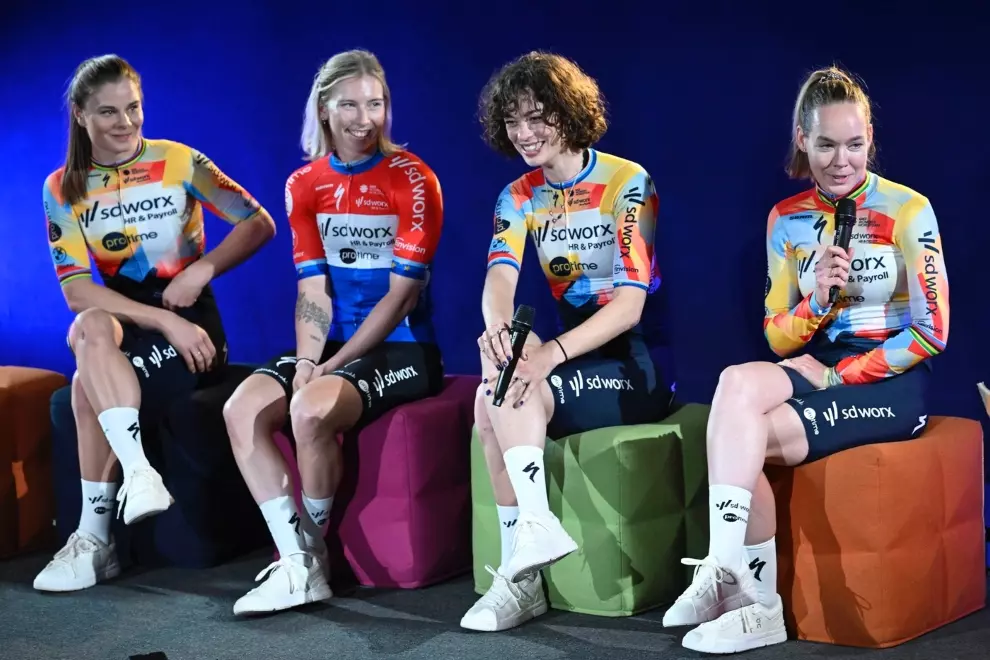
Overall, this dominance resulted from the fact that rivals couldn’t simply mark one wheel or shut down one tactic. They always had to guess, and often they guessed wrong.
Thankfully for cycling fans, most systems evolve, and as the player at the top is increasingly challenged, they usually end up getting matched. And in 2025, SD Worx-Protime were finally knocked off the top spot by FDJ United-SUEZ.
FDJ United-SUEZ: building around belief
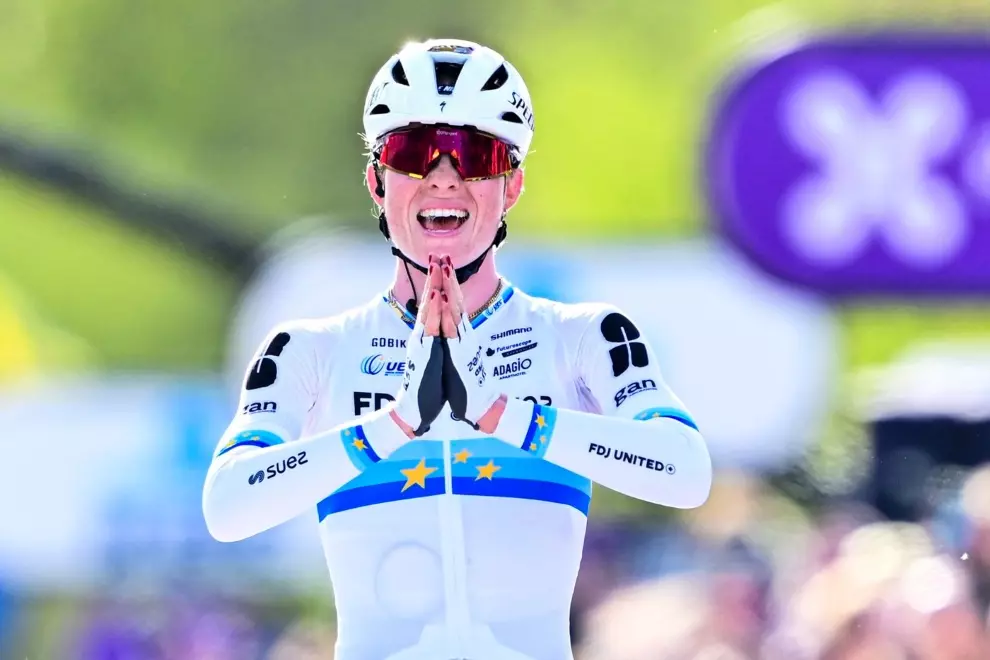
The first real shift came when FDJ United-SUEZ made a statement of intent by signing Demi Vollering. Here was a rider capable of winning the biggest stage races in the world, stepping into a team ready to build around her. But what makes FDJ interesting isn’t just that they have Vollering, it’s how they’ve chosen to support her.
In races where Vollering is the clear favourite, the team commits fully. At the Tour of Flanders Women 2026, Demi Vollering made it look almost inevitable, despite this being the first time she has won the race. One attack on the Oude Kwaremont, 18 km from the finish, and the race was effectively over. Behind her, the chase hesitated, because FDJ had already done the work. Teammates had softened the field and set the stage for a decisive move that no one could match.
But across the broader calendar, FDJ riders show up everywhere, climbing, attacking, placing, scoring. The team doesn’t disappear when their leader isn’t winning; rather, they keep building momentum. This change is dynamic and ultimately affects the psychology of a race, and indeed its outcome, too.
UAE Team ADQ: strength in numbers
Another team that has played an active role in challenging existing narratives in the women’s peloton is UAE Team ADQ. And if FDJ feels like a carefully built hierarchy, UAE Team ADQ feels more like a network.
There’s no single gravitational centre that everything (and everyone) orbits around. With riders like Elisa Longo Borghini and Silvia Persico, alongside a growing roster of versatile talent, UAE are at their best when things go off-script. They animate races rather than control them, and sometimes that works out to seal a top spot.
At the UAE Tour Women 2026, Elisa Longo Borghini didn’t just win, she outlasted the race itself. After a controlled week from her team, she attacked on the final climb of Jebel Hafeet and rode clear to take both the stage and the overall classification, sealing the biggest early-season stage race of the year.
SD Worx-Protime: evolution, not decline
It would be easy to frame all of this as the decline of Team SD Worx-Protime. But that would miss the point, because they are still the winner and, in many ways, still the benchmark.
Riders like Wiebes and Kopecky continue to deliver in the biggest moments, especially in one-day races where instinct and explosiveness matter most. When the finish line is close and the margins are tight, SD Worx still feels like the safest bet. What’s changed is the margin for error.
At Milano–Sanremo Women 2026, Lotte Kopecky delivered one of the most complete performances of the season, winning from a reduced front group after a selective race over the Cipressa and Poggio. Crucially, it wasn’t just an individual effort; Lorena Wiebes, the pre-race favourite, shifted into a support role, helping shape the race before finishing just behind the front group.
But even in victory, the dynamic felt different. The race had already been fractured by attacks, crashes, and pressure from multiple teams, leaving a small, mixed group to contest the finale. Kopecky didn’t win from overwhelming team control; she won by reading the race and finishing it.
And yet, elsewhere in the same spring, SD Worx showed something new. At Flanders, when they lost key support at a critical moment, they couldn’t quite control the race in the way they once would have.
Without the same overwhelming depth they once had, particularly in stage race leadership, the team now has to be more precise. Moments that, a few years ago, would have been automatically resolved now linger just long enough for rivals to take advantage.
Why the peloton feels alive again
You can feel this new balance most clearly in the rhythm of races. More breakaways result in viable threats, and races feel more reactive. Cycling, at its core, is a sport of timing that requires knowing when to commit, when to wait, and when to trust your strength. When one team dominates, those decisions become simpler. When power is distributed, they become complex again.
And that might be the most important shift of all. The balance of power in women’s cycling is no longer defined by a single dominant squad or even a rivalry between two or three teams. From the depth of Lidl–Trek Women in the Classics to the attacking style of Canyon–SRAM Racing and the consistency of Movistar Team Women, the peloton has grown stronger across the board. Wins now come from many directions, and the hierarchy that once felt rigid has softened into something far more dynamic. For fans, that means one thing above all: fewer certainties, and far better racing.