Availability is everything
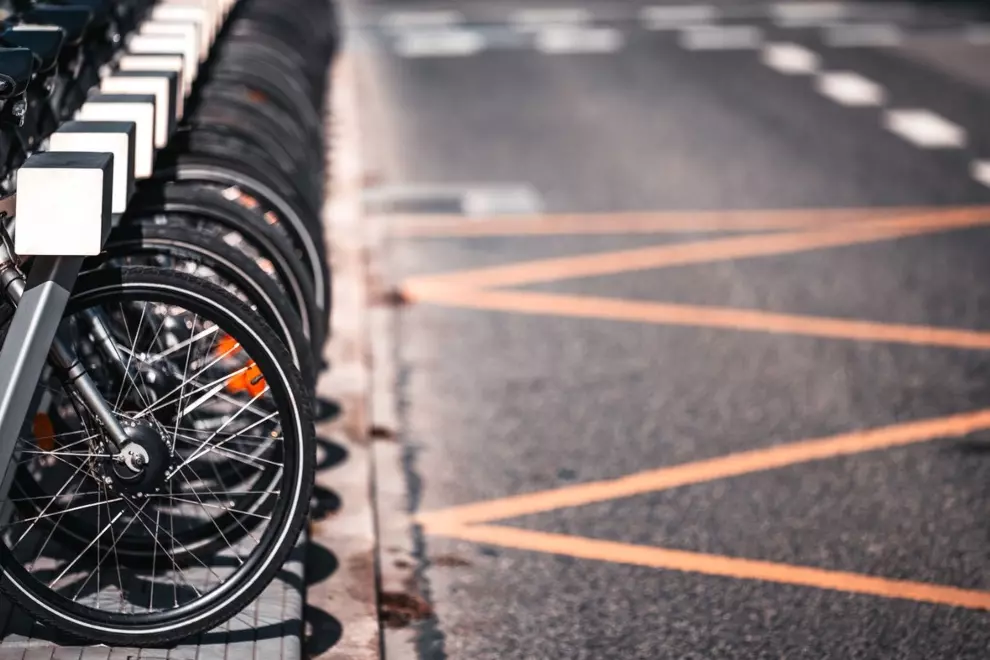
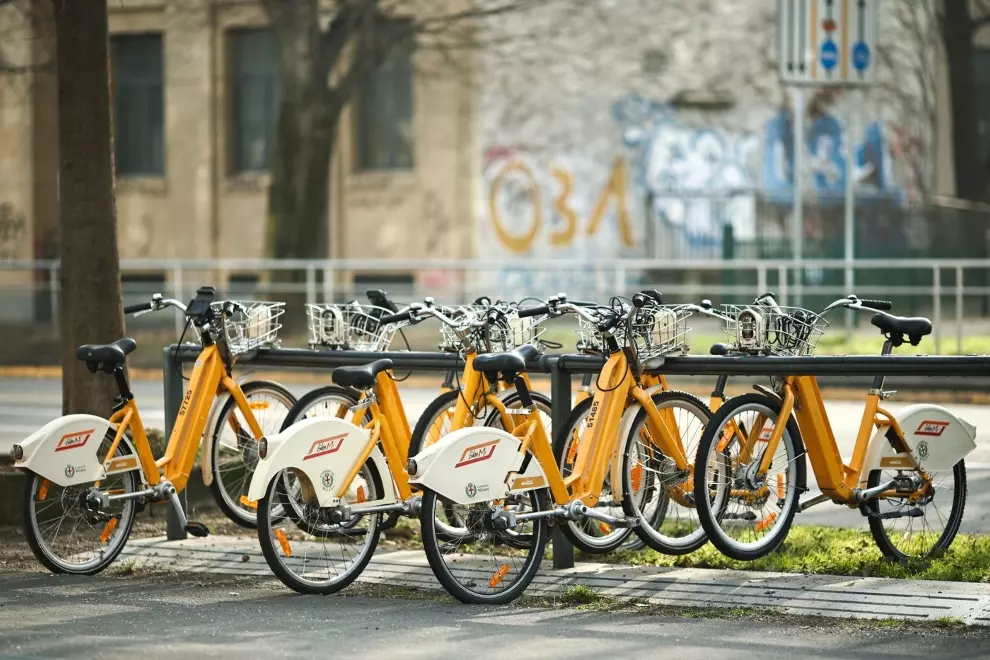
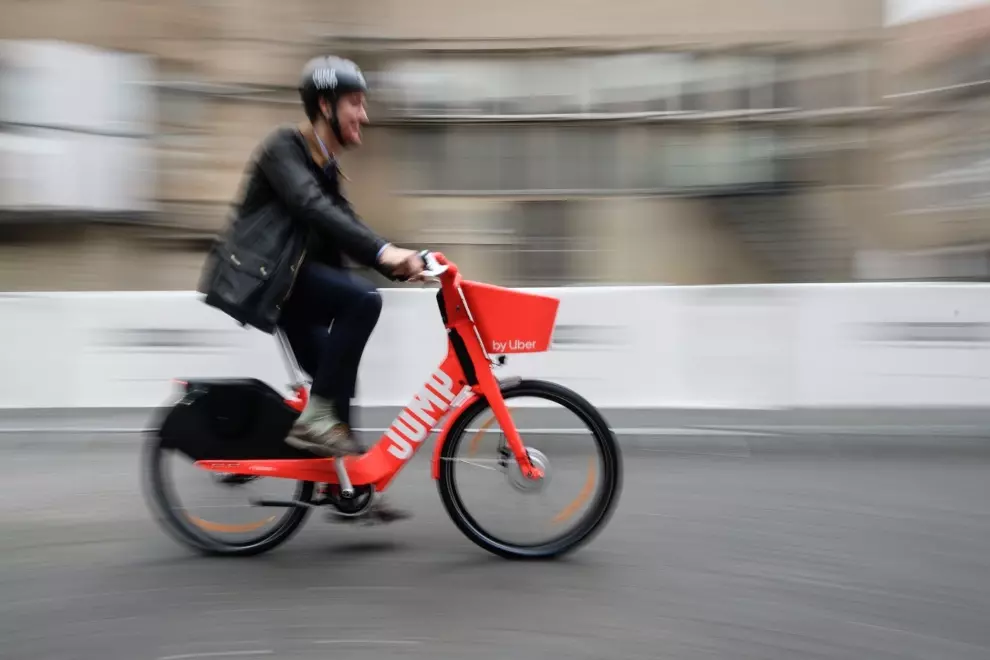
If there’s no bike when you need one, the system fails. In Prague’s wider centre, the coverage of bike stations is really good. That means I can grab a bike on impulse, without planning ahead. But step outside the central zones, and the picture changes. Many neighbourhoods have sparse coverage, with stations too far apart to be practical, or no coverage at all.
Density isn’t just about convenience – it’s about psychology. When bikes are always available, people start to see them as a real alternative to trams, buses or cars. It actually took me a few years to give them a proper chance. And I think that seeing them a lot was key.
Parking zones can make or break usability
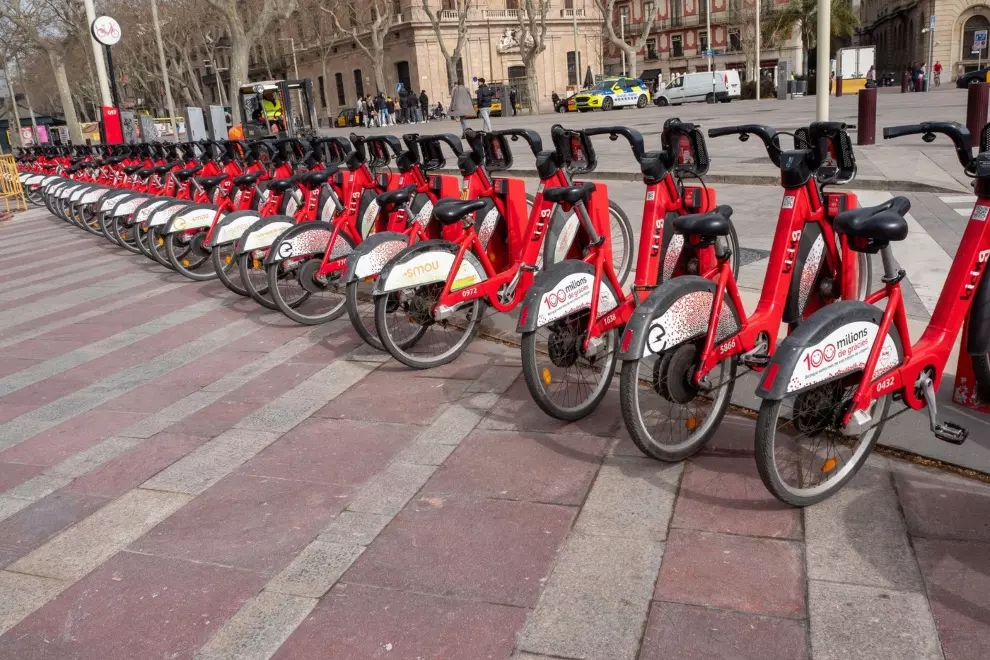
A great ride isn’t much use if you can’t park the bike where you’re going. Prague’s system works well in the centre because drop-off zones are plentiful, and it seems like there’s one on every other corner. I never had to walk more than 30 seconds after parking. People living further away from the wider centre aren’t so lucky. The drop-off zones can be as far apart as metro stations, not usable unless you happen to live close to one.
Cycling infrastructure sets the ceiling
Even with excellent availability of bikes and endless drop-off points, the number of people using shared bikes will always be limited mainly by the cycling infrastructure in the city. Prague has some fantastic bike paths, smooth, well-marked, and separated from traffic. The problem? They’re fragmented, and there aren’t nearly enough of them in the centre. A ride might start on a dedicated lane, then dump you onto a busy street with nothing but a painted line (or worse, no marking at all) between you and cars. For experienced cyclists, this is manageable. For everyone else, it’s a dealbreaker.
What’s worse, most people ride shared bikes without a helmet simply because there isn’t one on the bike when you hop on. It’s not a big deal on a dedicated bike path separated from traffic. But as soon as you enter a road with cars, it’s a concern even for experienced cyclists.
Ease of use plays a role
In 2026, no one has patience for clunky technology. Bike sharing needs to be as simple as unlocking your phone. Thankfully, Prague’s Rekola system nails this. Here’s how my typical ride goes:
- Walk up to a bike near my building.
- Scan the QR code on the bike with my phone.
- Hop on and ride.
- Park at my destination, tap my phone to end the ride, and walk away.
That’s it. No photos, no forms, no fuss. This experience is what impressed me when I first used Rekola and made me much more likely to use them again. Even compared to using my own commuter bike, it’s so much more convenient: no checking tyre pressure, finding a lock, worrying about where I will lock the bike, and whether anyone will steal it.
It has to be affordable
Cost is the final hurdle. If bike sharing feels like a luxury, people won’t use it regularly. Rekola’s integration with Prague’s public transport system is brilliant: my yearly pass, “Lítačka”, includes two free 15-minute rides per day. This means that most of my trips are actually for free. And the rare time I go over 15 minutes, I pay 35 CZK or about 1,5 EUR and have another 30 minutes to complete the ride.
This kind of pricing turns shared bikes from an occasional treat into a no-brainer for daily use and an actual competitor to buses and trams. When the math works out, the bikes become part of how people move through the city, not just a novelty.
The bike has to feel safe and nice to ride
Let’s be honest: shared bikes will never match the performance of a road or even an average commuter bike. But they don’t need to. I found that for a 15-minute ride, Prague’s shared bikes are perfectly adequate. They’ve got:
- Three gears, enough for the city’s gentle hills.
- Adjustable seatpost, so riders of different heights can find a comfortable position.
- Front basket, great for groceries and backpacks.
- Durable “gravel-style” tyres, smooth enough on pavement, comfortable enough for cobbles or rough patches.
Are they heavy? Yes. Are they slow and clunky? Compared to my road bike, absolutely. But for zipping across town, they’re safe, practical, and stress-free.
Bike sharing feels great when availability, infrastructure, ease, affordability, and ride quality work together. When a city gets these right, shared bikes stop being a gimmick and start being a genuine part of urban life. Prague’s system isn’t perfect, but it’s close enough that I now reach for a shared bike regularly.
Next time, in the last part of the series, I will share my idea of what a perfect shared bike system could look like.