With the dust settling on the UAE Tour Women, the peloton now turns its attention from desert highways to the cobbled chaos of Belgium. The “Opening Weekend” is almost here, and that means one thing: the Classics season is about to begin.
So, where does the women’s WorldTour stand right now? Who’s flying, who’s building, and what absolutely shouldn’t you miss over the next few weeks?
Let’s catch up.
The first statements of 2026
The UAE Women’s Tour has quickly become a fascinating early-season litmus test. With sprint stages on wide, exposed roads and a decisive mountain finish atop Jebel Hafeet, it asks two very different questions: Who has speed? And who already has climbing legs?
This year, the answers were clear.
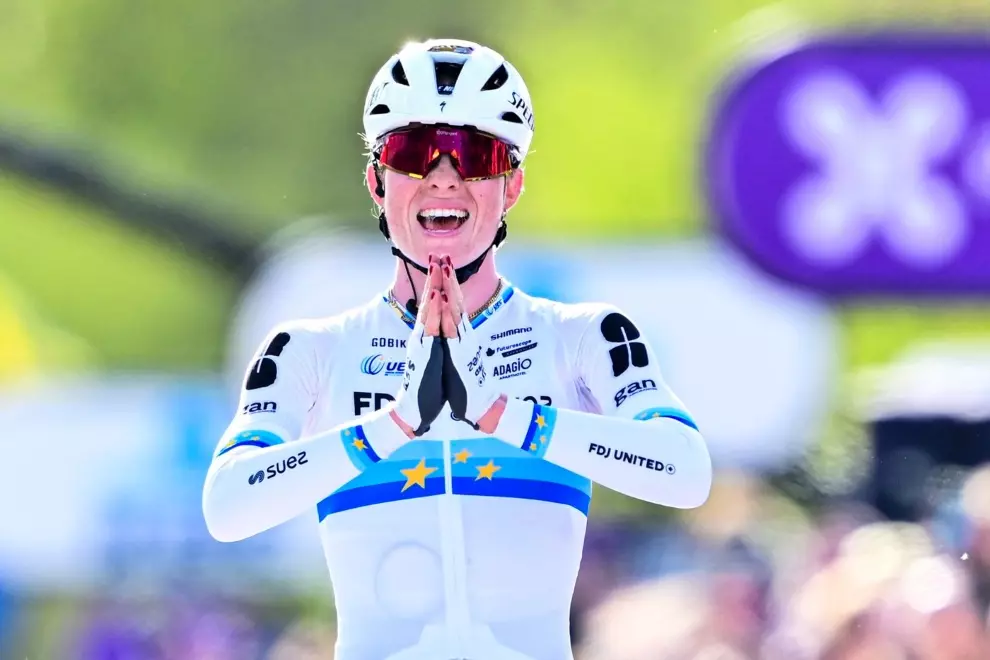
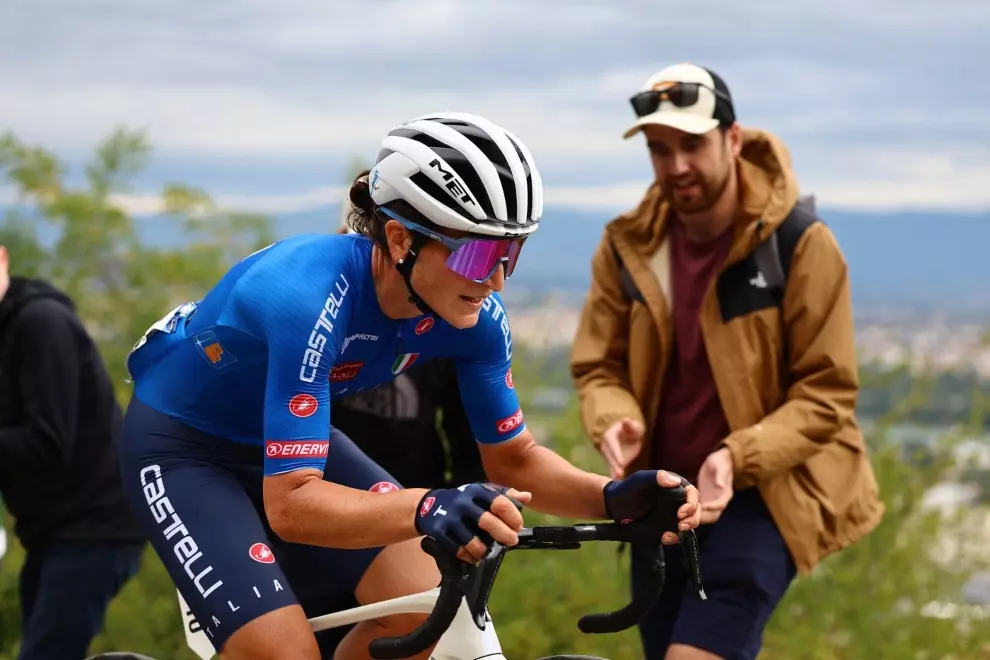
Elisa Longo Borghini once again proved why she’s one of the most complete riders in the peloton. Confident, controlled, and perfectly timed, she sealed the overall classification with a commanding ride on the final climb. There’s something reassuringly old-school about Longo Borghini’s racing; she doesn’t just wait for things to happen; she makes them happen. And in February, that’s already a warning sign for her rivals.
Meanwhile, the sprint stages belonged to Lorena Wiebes. When it comes to pure finishing speed, few can match her acceleration. She looks sharp, decisive, and, perhaps most ominously, supported by a team that knows exactly how to deliver her at 200 meters to go.
If the UAE Tour told us anything, it’s this: the established stars have not lost their edge.
That said, there is no doubt that some big surprises await as we head into a very open Classics campaign.
Now comes the real test: Opening weekend
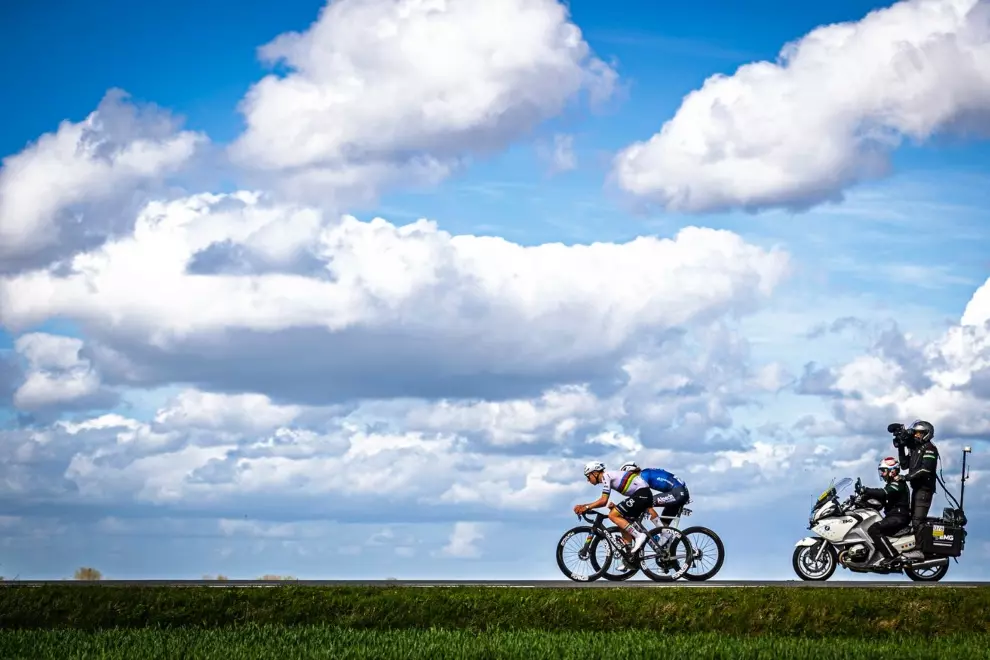
The shift from Middle Eastern tarmac to Flemish cobbles offers both a geographic and cultural change. The European campaign truly ignites with Omloop Het Nieuwsblad Women, the race that traditionally cracks open the Classics season.
Now in its 21st edition, the Belgian race was upgraded from UCI ProSeries level to the Women’s WorldTour in 2023 and will take place on Saturday, February 28.
Omloop is all about making a statement. Short, punchy climbs. Cobbled sectors. Narrow roads. Constant positioning battles. The kind of terrain where strength alone isn’t enough – you need instinct, nerve, and timing. This is where the Classics specialists step forward.
Riders like Lotte Kopecky thrive in this environment. Powerful on the climbs, confident on the cobbles, and tactically astute, she is always a marked rider in Belgian races. If the race explodes early, she’ll very likely be there.
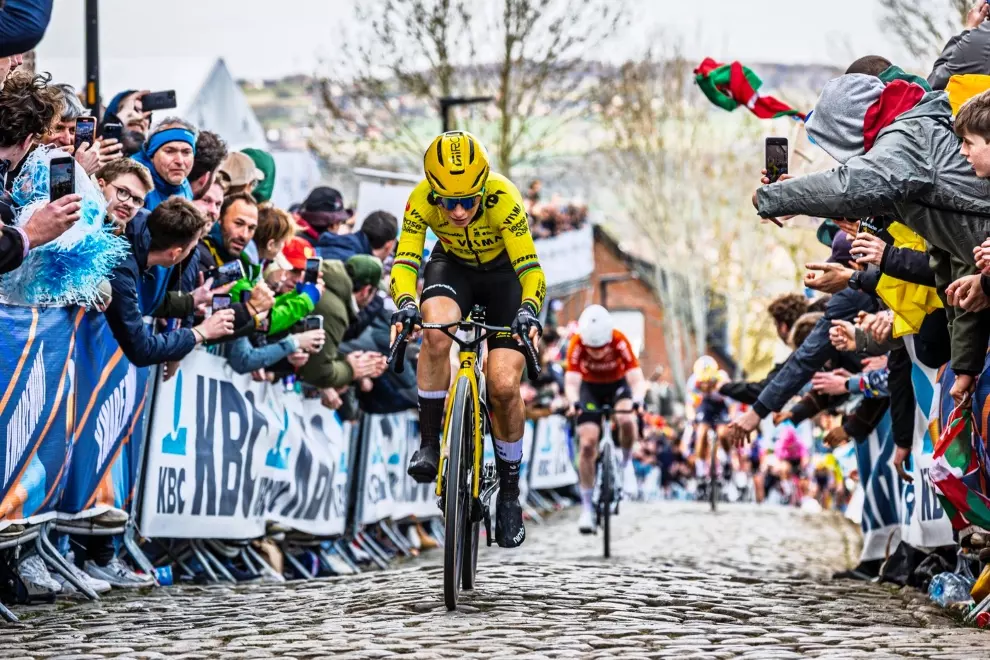
And then there’s Marianne Vos, a rider whose presence alone reshapes a finale. Vos doesn’t need a perfect scenario; she just needs a moment. If it comes down to a reduced sprint from a strong group, few would bet against her.
Omloop often rewards boldness. A late attack. A perfectly judged move over the final climb. Don’t be surprised if the winning move goes before the expected sprint.
The gravel spectacle awaits
Just one week later comes one of the most visually iconic races on the calendar: Strade Bianche Women.
White roads, dust clouds, rolling Tuscan hills, Strade has quickly become a modern classic. And it tends to favour riders who can both endure and explode.
This is where someone like Demi Vollering becomes especially dangerous. Strong on steep gradients, comfortable in selective finales, and tactically mature, she’s the kind of rider who can let the race wear others down before striking on the final ramps into Siena.
But Strade also rewards fearlessness. Riders willing to attack far from the finish often find themselves in contention. Watch for aggressive racing; this is not a course that encourages patience.
The storylines taking shape
Even at this early stage, a few narratives are forming. And this year, the cracks in the established hierarchy feel wider than ever.
1. The old guard vs the new wave
Yes, the big names are still winning. But look closer, and you’ll see something else happening.
Behind riders like Elisa Longo Borghini and Marianne Vos, a younger generation is no longer just “promising”. They’re present, aggressive, and visible in finales.
Think riders like Shirin van Anrooij, technically brilliant, tactically bold, and increasingly confident in the chaos of Classics racing – or Puck Pieterse, whose off-road handling skills translate beautifully to gravel and cobbles. Opening Weekend is often when changing tides become visible.
2. Team depth is becoming the deciding factor
It’s no longer just about having one superstar. Teams like Team SD Worx-Protime remain stacked with options, from sprint firepower to punchy Classics specialists, but rivals are closing the gap.
Lidl-Trek has also built one of the most balanced squads in the peloton. With riders capable of animating breakaways and protecting leaders deep into finales, they’ve become tactically unpredictable.
Then there’s UAE Team ADQ, who used the UAE Tour to signal serious ambition. And keep an eye on Fenix-Deceuninck. With a roster rich in cyclocross crossover talent, they’re uniquely suited to technical, selective races like Strade Bianche.
3. The sprint question
After another early show of dominance from Lorena Wiebes, the question isn’t whether she’s fast, but rather whether teams will allow her the chance.
Expect more aggressive racing designed specifically to prevent controlled bunch finishes. Riders like Chiara Consonni and Charlotte Kool are also sharpening their speed – and if sprint opportunities become rare, positioning will be everything. The more teams fear Wiebes’ finishing kick, the earlier the attacks may fly.
Who to watch, beyond the obvious
Let’s go a little deeper than the headline stars.
The breakaway disruptors
Alison Jackson: Never afraid to commit early, and increasingly savvy about reading chaotic finales. If the race turns unpredictable, she thrives.
Liane Lippert: Punchy, persistent, and capable of winning from reduced groups. A rider who quietly builds into the season.
These are the riders who make favourites uncomfortable.
The all-terrain talents
Kasia Niewiadoma: Always aggressive, always attacking. On gravel or steep climbs, she is a consistent powerhouse.
Elisa Balsamo: Known for her sprint, but increasingly capable in tougher races if she survives the climbs.
If the race fragments but doesn’t fully explode, these riders become extremely dangerous.
The quiet builders
Every spring, a rider emerges who’s been building form quietly while others chase early headlines.
Watch for:
- Young domestiques given unexpected freedom.
- Cyclocross riders carrying winter sharpness into cobbled races.
- Teams riding aggressively for exposure and belief.
The women’s peloton has reached a point where surprise podiums are no longer rare – they’re part of the pattern.
The vibe sailing into March
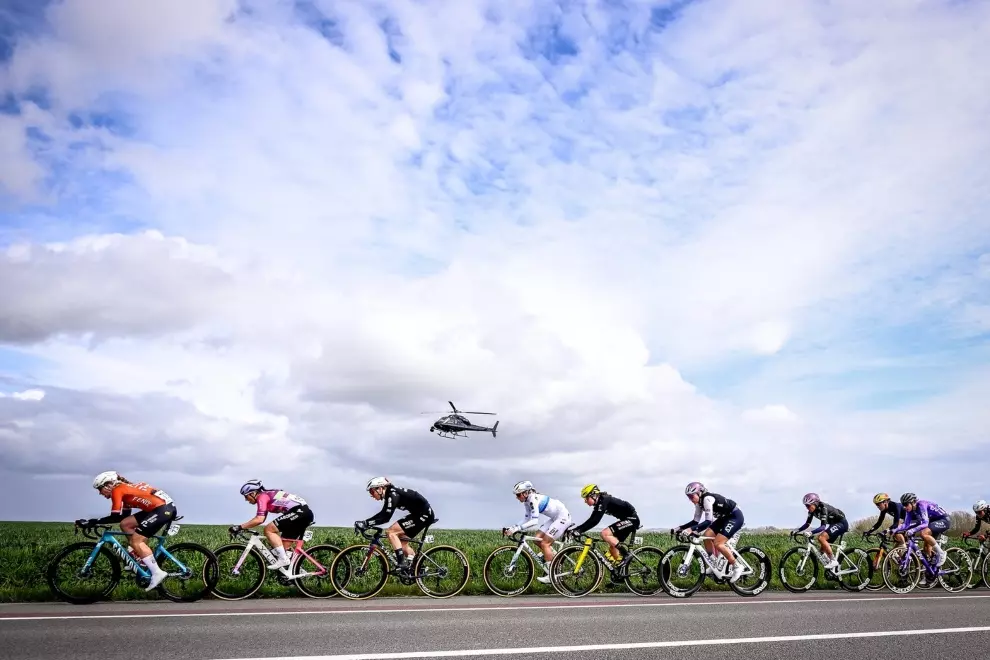
There’s a sense this season that the gap between “favourites” and “contenders” is narrowing. The depth of the Women’s WorldTour means races are harder to control. Smaller teams are smarter, breakaways are more calculated, and the technical level, especially on cobbles and gravel, is extraordinary.
Opening Weekend will tell us a lot. Will it be a powerhouse performance from someone like Lotte Kopecky? Will a young rider seize the moment? Will a tactical masterclass overturn the expected? We can’t wait to find out!
What you don’t want to miss!
If you’re marking your calendar, here’s the essential run of races coming up:
Omloop Het Nieuwsblad Women – 28 February 2026
Strade Bianche Women – 7 March 2026
Trofeo Alfredo Binda – 15 March 2026
Tour of Flanders Women – 5 April 2026
Paris-Roubaix Femmes – 11 April 2026