Beyond plant vs animal
Researchers from INRAE, Inserm, and Université Sorbonne Paris Nord analysed data from over 63,000 adults in the French NutriNet-Santé cohort, tracking their diets and health outcomes for up to 15 years. Information on what the participants ate and drank was gathered through online questionnaires. This allowed researchers to classify diets based on the proportions of plant- and animal-based foods, while also accounting for nutritional quality and processing level. The goal was to understand how the nutritional quality and processing level of plant-based foods affect heart health.
40% lower risk of cardiovascular disease
The findings were striking because not all participants with a high proportion of plant-based foods in their diet had a lower cardiovascular disease risk. Here is how the risk profiles looked for the four groups.
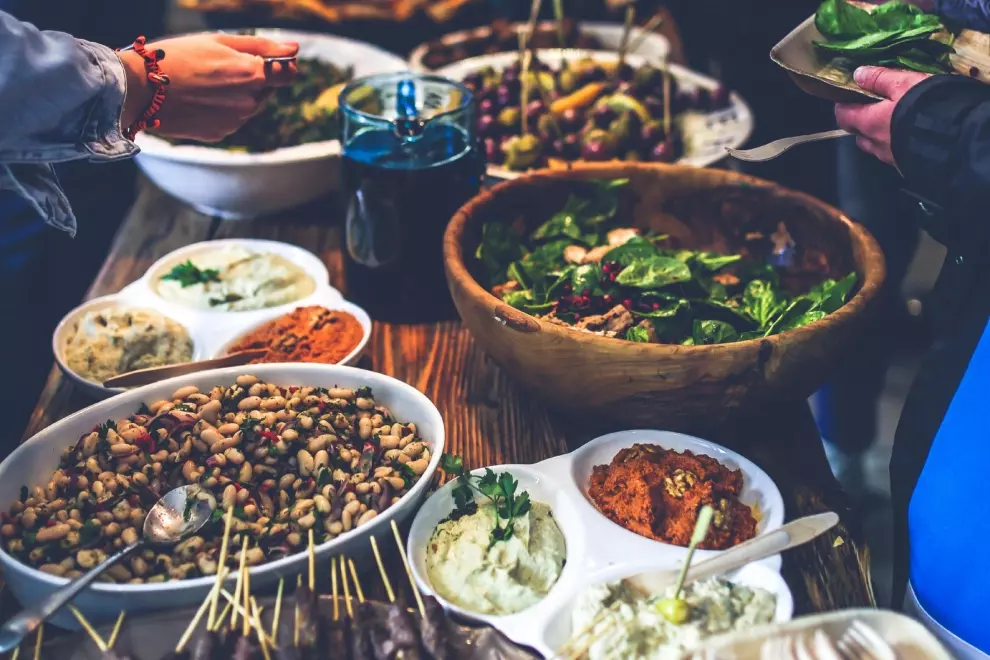
Healthy, unprocessed plant-based (44% lower risk): People in this group ate mostly whole, minimally processed plant foods like fresh or frozen vegetables and fruits, legumes, nuts, and whole grains, with few added fats, sugar or salt.
Healthy, ultra-processed plant-based (No significant change): These adults consumed nutritionally high-quality plant foods that were heavily processed, such as industrial wholemeal breads, store-bought soups, ready-made pasta dishes or pre-prepared salads with dressing.
Unhealthy, unprocessed plant-based (No significant change): Diets were rich in plant foods of lower nutritional quality (refined grains, sugary plant items) but minimally processed, with fewer additives or industrial processing.
Unhealthy, ultra-processed plant-based (46% higher risk): People here mainly ate nutritionally poor and ultra-processed plant foods, including crisps, sugary drinks, chocolate-based sweets, breakfast cereals with added sugar, and savoury biscuits, putting them at the highest cardiovascular risk.

Why food processing matters
Ultra-processing strips away beneficial nutrients like fibre and antioxidants while introducing additives (emulsifiers, sweeteners, hydrogenated oils) that may disrupt gut health and promote inflammation, key drivers of cardiovascular risk. High-temperature methods and refining also concentrate unhealthy fats, refined carbs, and sodium, further compromising heart health. This may explain why minimally processed plant foods protect against disease, while ultra-processed versions lose those benefits.
Practical takeaways for cyclists
Prioritise whole, minimally processed foods: This goes mainly for meals off the bike. Fuelling on the bike is where ultra-processed sports nutrition, like sports bars, gels, and carb drinks, has its place.
Beware of “healthy” ultra-processed traps: As you know now, not all plant-based products are beneficial. Don’t get fooled by food marketing; veggie burgers, sweetened plant milks, vegan cookies, and ready-to-eat meals often contain hidden sugars, unhealthy fats, and additives. Check labels to see what a given product is really about.
If you’re going to make an effort to eat more plant-based foods and fewer animal-based ones, then you may as well do it right to get the cardiovascular benefits.