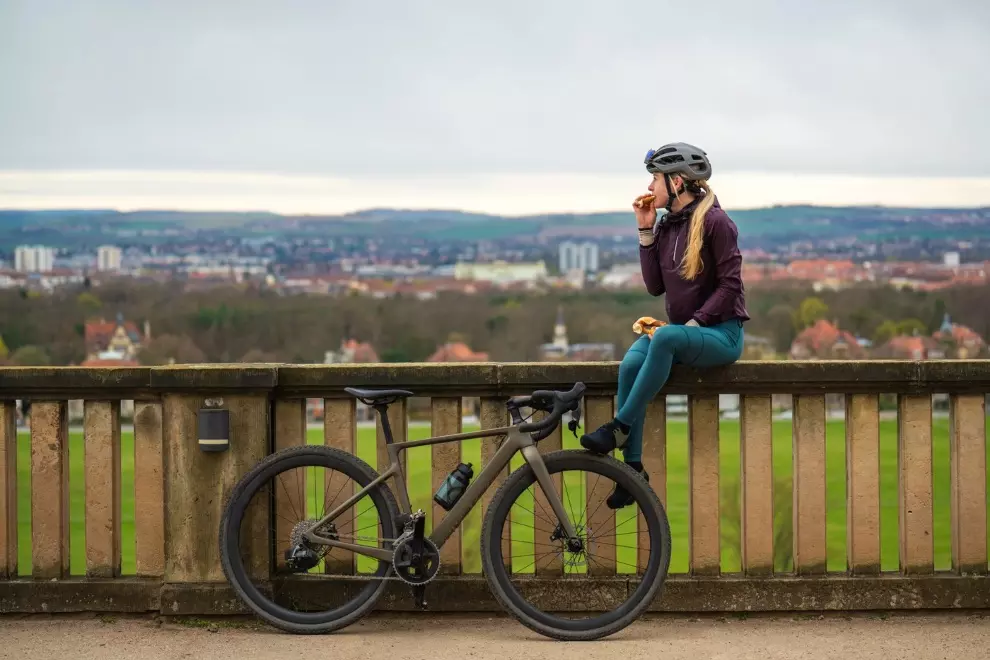
The carb-immune connection
When you ride hard, especially in cold conditions, your body burns through glycogen rapidly. If you don’t replenish those carbs, your blood sugar drops, and your body responds by releasing stress hormones like cortisol and adrenaline. While these hormones help mobilise energy, they also suppress immune function, particularly the activity of natural killer cells and white blood cells that fight off viruses.
Low blood sugar = higher stress = weaker defences
Studies found that cyclists who consumed at least 30 g of carbs per hour during intense exercise had significantly lower cortisol responses compared to those who trained fasted or with only water. Lower cortisol means less immune suppression and a lower risk of picking up that cold going around your training group.
What this means for you:
Fuel early and often: Start consuming carbs within 30–45 minutes of beginning a ride that’s longer than 90 minutes.
Prioritise easily digestible carbs: Glucose, maltodextrin or simple sugars (like those in sports drinks or gels) are absorbed quickly and help maintain blood-sugar levels.
Don’t skip post-ride carbs: Consuming carbs within 30 minutes of finishing a hard session helps replenish glycogen and further reduces stress hormone spikes.

Long-term under-fuelling matters too
Many cyclists, especially those trying to “lean out” for spring, cut carbs or calorie intake in general during winter training. A calorie deficit that is too large or lasts for too long can pose a serious risk to the immune system. Research on Relative Energy Deficiency in Sport (RED-S) shows that athletes who consistently underfuel experience:
- Higher cortisol levels, which suppress immune function.
- Lower levels of immunoglobulin A (IgA), an antibody that protects your respiratory tract from infections.
- Slower recovery and increased inflammation, both of which make you more susceptible to illness.
What this means for you:
Match fuel to effort. To create a calorie deficit without losing performance, eat more on hard training days and cut back on rest days and recovery days.
Keep your calorie deficit between 5–10% of your energy expenditure. Monitor it by looking at your weekly calorie balance rather than daily.
Monitor for RED-S signs: Fatigue, frequent illnesses, irregular menstrual cycles, and slow recovery are all red flags.
Dehydration, the silent immune saboteur
When you’re riding indoors or in cold, dry air, you might not feel as thirsty as you do in summer. The problem is that you’re still losing fluids through sweat and respiration. Dehydration thickens your mucus and dries out your airways, making it easier for viruses to take hold. Studies show that even mild dehydration (a loss of just 2% of body weight in fluids) can impair immune function, particularly the activity of salivary IgA, your first line of defence against colds and flu.
Dehydration = dry mucous membranes = easier entry for viruses
What this means for you:
- Drink to a plan: Aim for 500 ml of fluid per hour, even if you’re not thirsty.
- Add electrolytes and carbs: Carbs help with fluid uptake in the intestine, and sodium helps you retain fluids. A simple homemade mix of 500 ml water + a pinch of salt + 1 tablespoon of honey or juice of 1 lemon does the trick.
Eating and drinking enough in winter is arguably even more important than in any other season. Colds and flus are flying around as you’re trying to lay down a solid foundation for the season ahead. So, remember, the way you fuel your rides doesn’t just affect your power numbers – it directly impacts your body’s ability to fight off illness. Hopefully, you won’t overlook it anymore from now on.