Why your usual constipation fixes might not work
For years, the standard advice for constipation has been simple: eat more fibre and drink more water. But according to the latest research, this approach may be too simplistic and, in some cases, ineffective. The new guidelines, published in leading international journals and endorsed by the British Dietetic Association, reveal that popular remedies like general “high-fibre diets” and senna supplements lack strong scientific support.
Dr Eirini Dimidi, lead author and Reader in Nutritional Sciences at King’s College London, explained, “Chronic constipation can have a huge impact on someone’s day-to-day life. For the first time, we’ve provided direction on what dietary approaches could genuinely help, and which diet advice lacks evidence.” The study is based on data from over 75 clinical trials, making it the most comprehensive review of its kind.
The top foods that help with constipation
So, what should you be eating? The study highlights three standout foods that can help ease constipation:
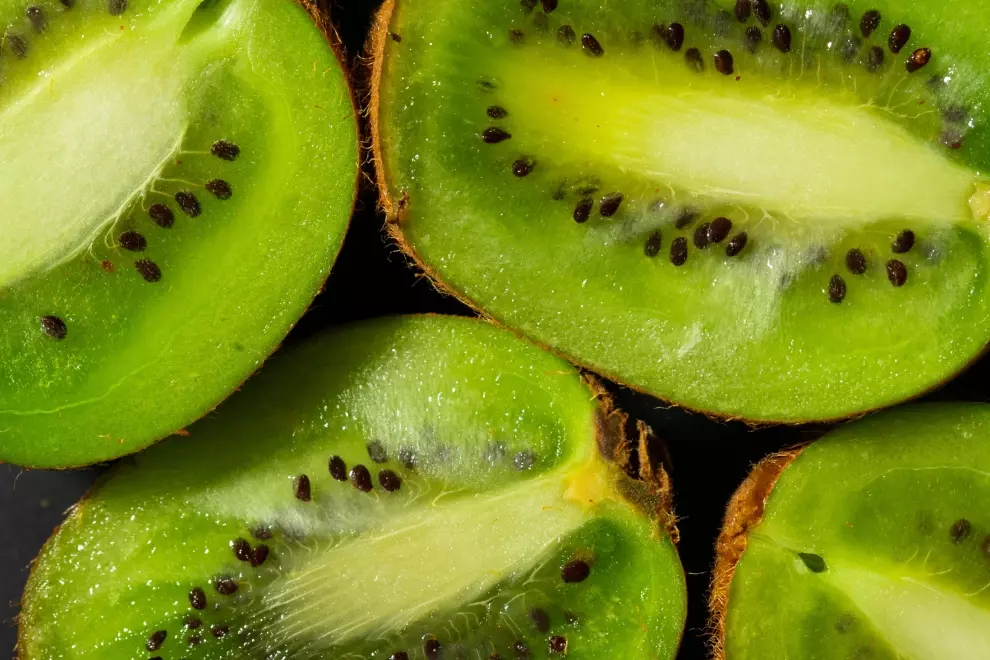
Kiwi isn’t just a delicious fruit; it’s a powerhouse for gut health. The research found that it can improve stool frequency and consistency, making it a top recommendation.
Swapping your usual white or whole wheat bread for rye could make a noticeable difference. Rye bread’sunique fibre composition helps promote regularity.
Long known as a natural remedy, prunes have now been scientifically validated for their effectiveness in relieving constipation.
These foods aren’t just old wives’ tales. They’re backed by clinical trials and expert consensus.
Supplements that can provide relief
While whole foods are ideal, certain supplements can also help. The study identified psyllium fibre, specific probiotics, and magnesium oxide as effective options. Psyllium, a type of soluble fibre, is particularly notable for its ability to soften stools and ease passage. Magnesium oxide, often found in mineral-rich waters, was also shown to help.
However, not all supplements are created equal. The research found that senna, a common herbal laxative, lacks convincing evidence for long-term use. “Eating a high-fibre diet offers many benefits to overall health, but our guidelines found that there simply isn’t enough evidence to suggest it actually works in constipation specifically,” said Dr Dimidi.
The role of hydration: not all water is equal
Hydration is key, but the type of water you drink matters. The guidelines highlight that mineral-rich water, especially that high in magnesium, can be more effective than plain water. This is because magnesium helps draw water into the intestines, softening stools and making them easier to pass.
The study recommends looking for waters with high mineral content, which can be found on the label. This small change could make a big difference in your comfort and regularity.
Practical takeaways for better gut health
If you’re dealing with chronic constipation, start by incorporating kiwifruit, rye bread, and prunes into your diet. Consider trying psyllium fibre or magnesium oxide supplements, and opt for mineral-rich water. Most importantly, work with a healthcare professional to find what works best for you.