Fuelling by feel
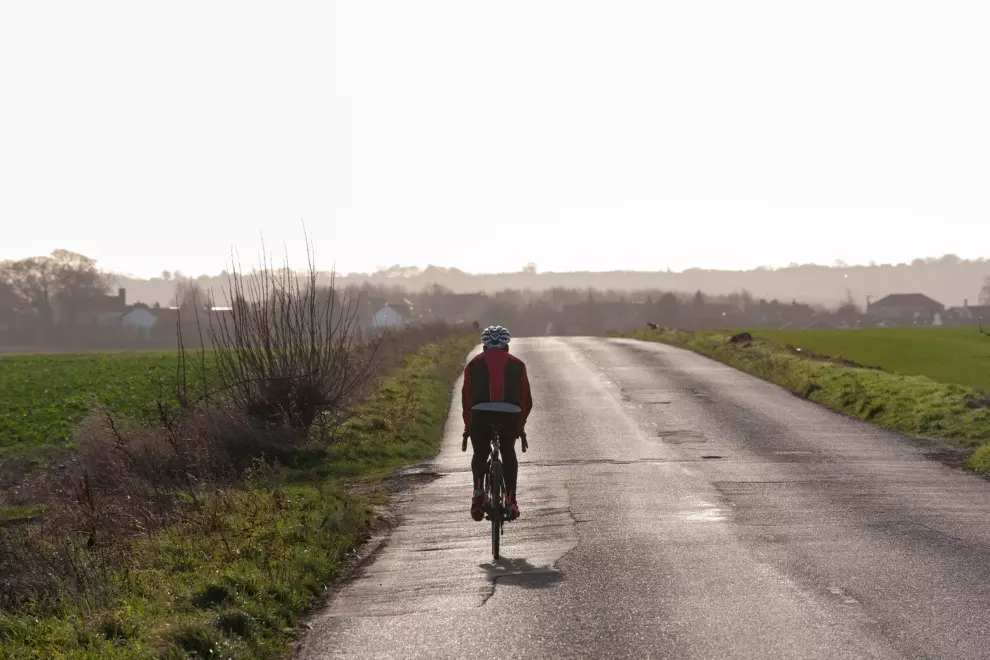
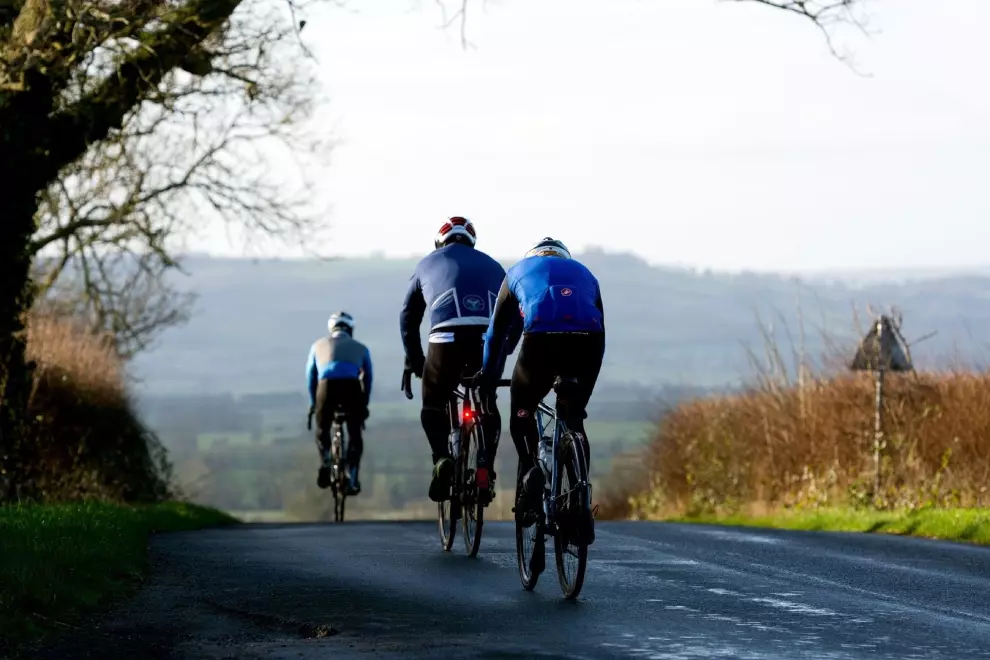
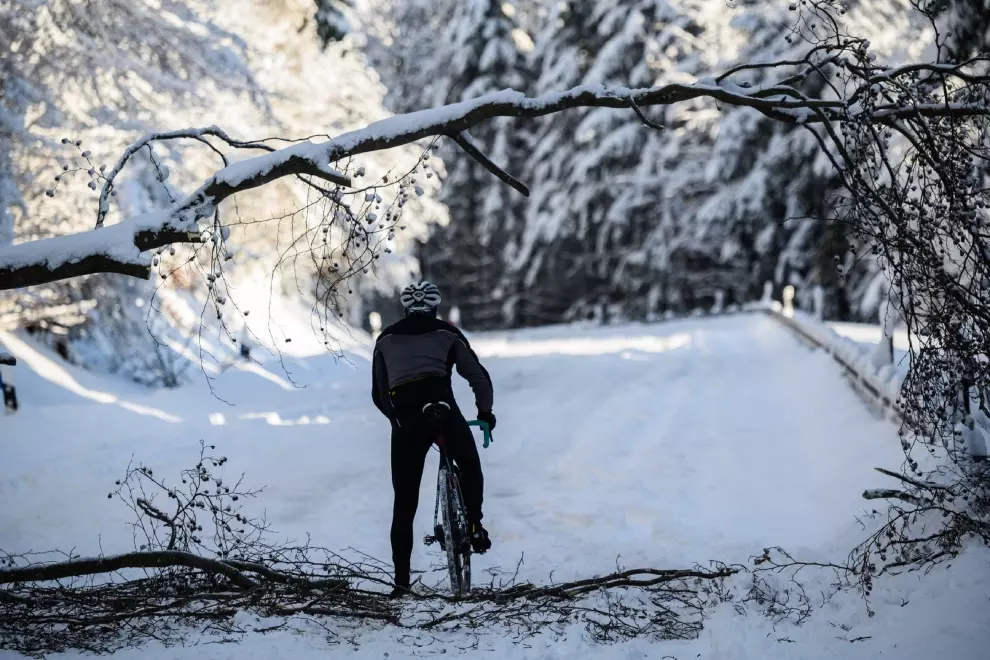
For years, I treated winter fuelling as something to worry about only when the rides got long or fast. My cold-weather rides are usually on the shorter side, often around 90 minutes and rarely more than 2,5 hours when it is below freezing. That led me to assume I did not need much fuel on the bike. I was not going as fast, I was not sweating like in summer, and eating on the bike in cold weather is simply awkward.
Gloves get in the way, taking them off numbs your fingers, and stopping for more than a few minutes feels like a countdown to being cold. More often than not, I did not feel very hungry while riding either, a curious absence of appetite that seemed perfectly normal.
The post-ride problem
The problem only became clear later in the day. I would be starving, unable to eat enough to satisfy that hunger. I would graze all afternoon and evening, snacks creeping into dinner and beyond. Eating late would often disrupt my sleep, and the next morning, I felt dull rather than ready to ride again.
Hydration was no better. Because I was not visibly sweating, I hardly drank. Ice-cold water in my bottle always felt unappealing, so I would sip very little. But when I looked at my kit after the ride, it was damp. It’s hard to dress well enough to avoid sweating on climbs while not freezing on flats and descents.
Coming home both underfuelled and underhydrated became a predictable pattern. It is not a recipe for good recovery. So, I decided to change my approach and treat eating and drinking on cold rides as something I would deliberately do, no matter my perceived thirst or hunger.
Why carbs matter more in the cold
Cold weather changes how our bodies use energy. On a winter ride, your body is not only powering your muscles to turn the pedals, but it is also working to maintain core temperature. That extra heat production increases overall energy use, and a bigger share of that energy comes from carbohydrates.
Carbs are the body’s quickest fuel source, and they’re used preferentially when you are working hard or when the temperature is low. In very cold conditions, there is evidence that carbohydrate usage increases compared with warmer environments, partly because it supports both exercise and the heat-producing metabolic processes your body needs to stay warm.
At the same time, cold exposure can dull appetite signals. This makes it easy to go for long periods without eating, even when your energy stores are being depleted. It is that mismatch, higher carbohydrate use paired with lower perceived hunger. No wonder I was undereating.
Hydration still matters when you’re not thirsty
It is a common belief that you do not sweat much in winter. While it feels true on the surface, physiology tells a different story. Cold, dry air increases respiratory water loss, and blood flow responses in the cold make you produce more urine. This is known as cold-induced diuresis.
Add to that the fact that sweat under clothing evaporates quickly and thirst cues are blunted, and you have a situation where you are losing fluid without feeling particularly thirsty. Even mild dehydration increases heart rate, raises perceived effort, and slows recovery.
How to fuel and hydrate smarter in the cold
Changing my mindset was the first step, but a few practical habits make the biggest difference in winter. Here is what helped me improve.
Fuel before you leave – Start with some carbohydrate already on board. Focus on a good breakfast and even a pre-ride snack on top of that to give your body something to draw on.
Eat and drink on a schedule – Get in the habit of smaller, frequent snacks every 20 minutes. Setting the Garmin to remind me helped a lot. It’s easier to have a bite or two regularly than to try to force it a whole bar or sandwich once per hour. The same goes for drinking.
Choose easy-to-handle foods – Take snacks you know you can handle in gloves, like sandwiches, rice cakes or energy bars. I often pre-open wrappers at home so I don’t have to struggle on the bike.
Warm drinks work wonders – In very cold conditions, a mildly sweet warm drink in an insulated bottle or a camel bag can do wonders. It helps hydration, calories, warmth, and it feels good.
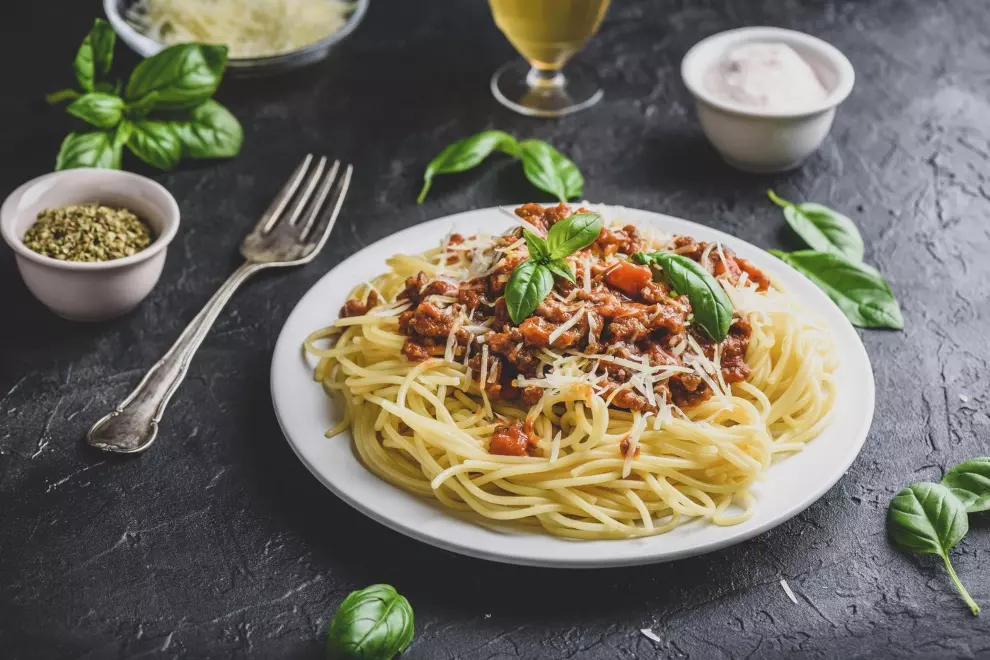
Kick-start your recovery – Chances are you will get back with a serious deficit, even with the best fuelling efforts. Boost your recovery with a shake or a meal that combines 3 parts carbs and 1 part protein.
Winter fuelling is counterintuitive; it feels like you don’t really have to eat or drink much, while the opposite is true. Try flipping the script for your winter rides or even cross-country skiing outings, and you will feel a lot better when you get back home.