My first outdoor ride of the year
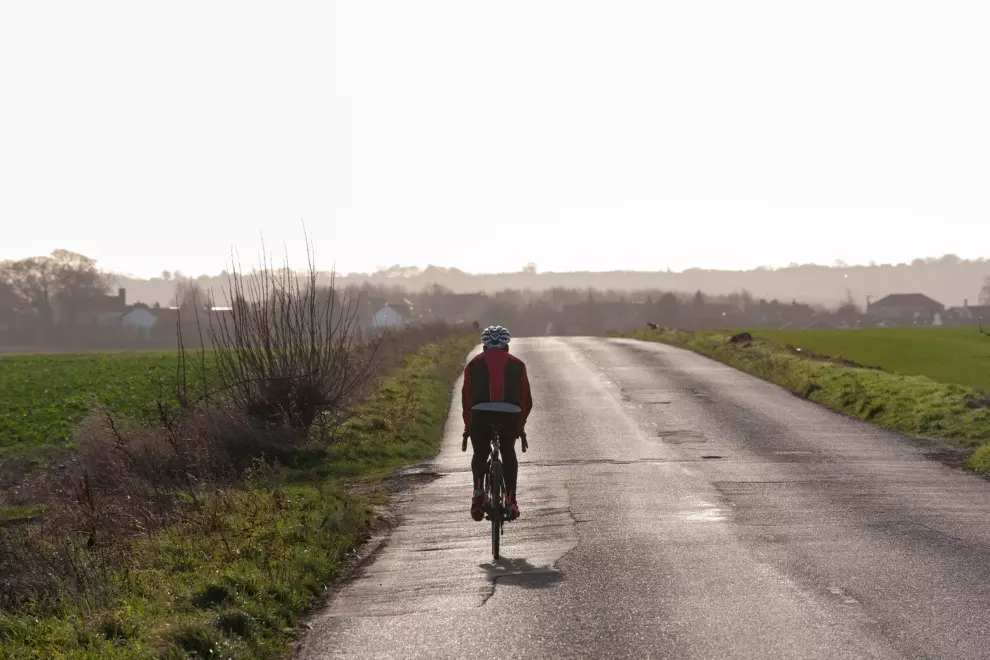
My own January reset came on a cold morning, just a few days into the new year. There was a light snow coverage on some of the quieter roads, just enough to make it feel properly wintery. I pulled on a new long-sleeve thermal jersey I had unwrapped at Christmas, and set off with one simple goal – to have fun and head home before getting properly cold.
I headed straight into a local forest and spent most of the ride on trails. I played around with a few small jumps, trying to apply some of the jumping tutorials I had watched over the holidays. I practised wheelies – unsuccessfully, as usual. My average speed or distance were of no concern. After less than an hour, I turned around and rode home.
What surprised me was not the ride itself, but how it felt afterwards. On paper, it was short and unremarkable. But I got a surprisingly big mental lift on par with some long summer rides.
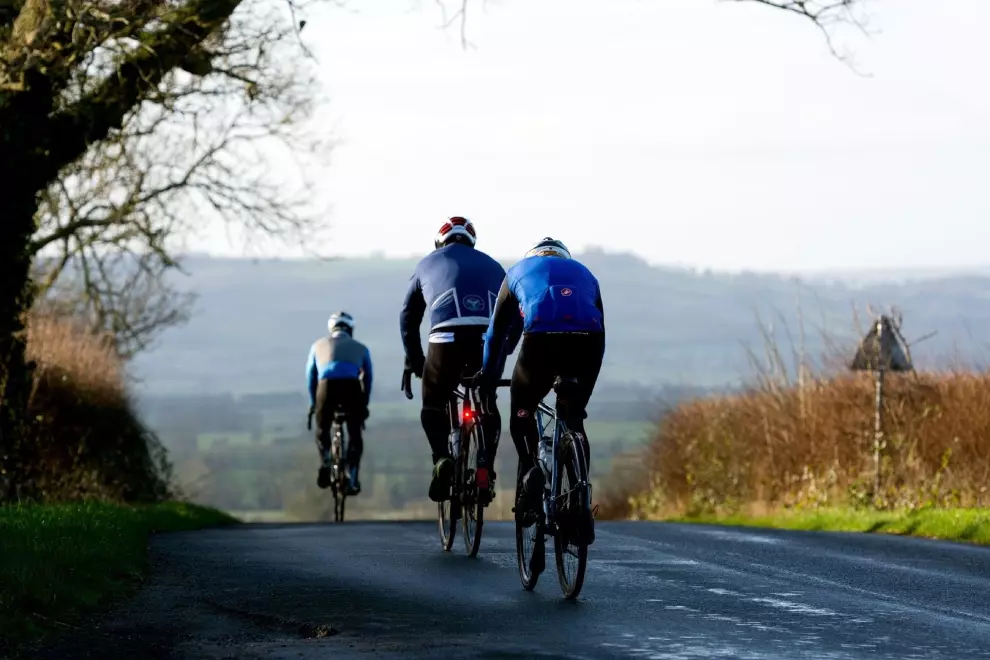
Part of that came from the atmosphere. The trails were quiet. The usual crowds were gone. Every cyclist I passed gave a nod or a greeting, something that feels rare in summer when paths are busy, and everyone is rushing somewhere. In winter, the people who are out feel like they have chosen to be there. That shared understanding makes it feel that much warmer.
There is more to the January reset than meets the eye
Research consistently shows that exposure to cold and outdoor environments can sharpen attention and elevate mood. Cold air stimulates the nervous system, increasing alertness and reducing mental fatigue. Some studies suggest that cooler temperatures may enhance cognitive performance by promoting a state of focused arousal, sometimes described as a bracing effect. You are not relaxed in the way you are on a sofa, but you are fully present.
There is also a strong contrast effect at play. After days or weeks of warmth, rich food, and sedentary habits, the body notices change more intensely. A short winter ride feels harder than the same effort in mild weather. Muscles take longer to warm up. Breathing feels sharper. That heightened sensory input can amplify the psychological reward once the ride is done.
Mood research adds another layer. Outdoor exercise in winter has been linked to reductions in symptoms of low mood and lethargy that often peak during darker months. Light exposure, movement, and even mild cold stress all contribute.
That may explain why my first January ride felt disproportionately uplifting.
How to make your January reset ride work
Make it about fun, not training: This is not the ride to chase numbers or have performance expectations. Ride somewhere that feels special, even if it is close to home. Bring a friend, if that makes it more enjoyable, or plan a clear reward at the end, such as a warm coffee, soup or pastry. Alternatively, turn it into a skills ride. Practise cornering on quiet paths, try a few small jumps or work on that wheelie you never quite get right – whatever sparks joy on that day.
Prioritise comfort: The cold will do the mental work for you. You do not need to suffer to get the benefits. Dress warmly, layer up, and protect your hands and feet. Once frozen fingers or toes take over, the positive effects quickly disappear.
Keep it deliberately short: Plan a ride that is much shorter than usual. Even just 45 minutes is often more than enough. Ending the ride while you still feel good is part of the reset. It leaves you energised rather than depleted, and more likely to ride again soon.