But what will 2026 actually look like? Below are the central themes shaping the next season and beyond, grounded in what people inside cycling are already talking about.
A shift in professional racing narratives
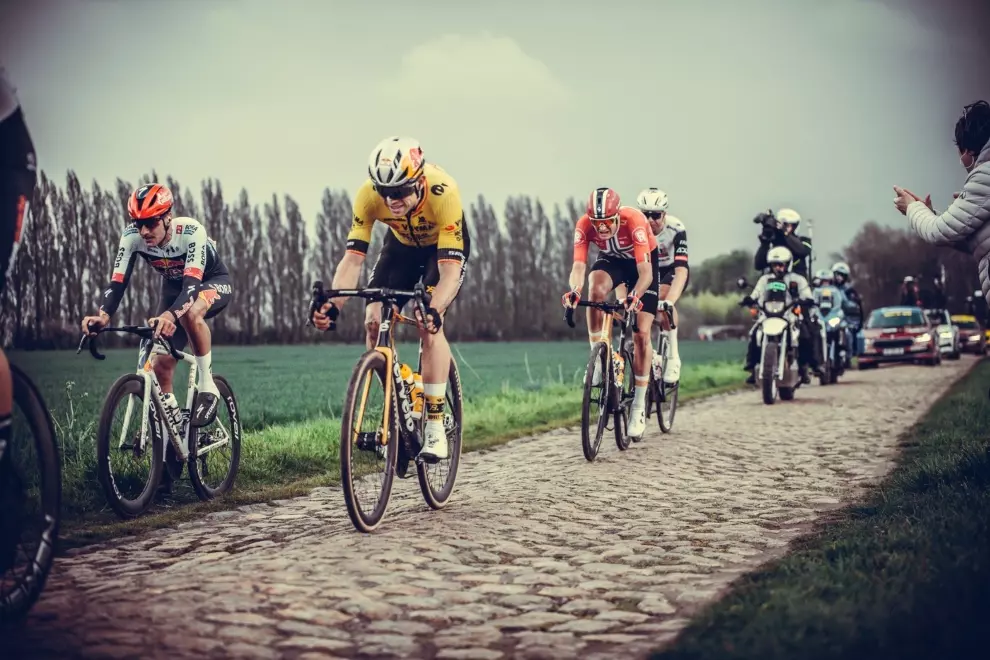
For many followers, the pro calendar sets the tone for what cycling talks about next. In 2026, the UCI Women’s World Tour will again run a full schedule of 27 races, underlining continued growth in elite women’s cycling and expanding international reach.
Among the stories fans will follow:
A new generation of riders is stepping into the spotlight. With stronger pathways for young talent and more diverse global representation, the stage is set for new names to emerge.
Teams with ambitious goals, such as Decathlon and CMA CGM, are targeting Monuments and Grand Tours, shaping strategic conversations about how squads build around leadership.
The retirement and transition of seasoned pros (like Peter Stetina, who’s planning a 2026 farewell tour that bridges road and gravel racing) are anchoring narratives about the crossover of legacy and discipline.
These developments make 2026 feel something like a changing of the guard, with debates about who defines success (wins vs. consistency vs. versatility) taking centre stage.
Safety moves from lifestyle choice to design priority
Safety has always been a personal responsibility in cycling. Yet as we approach 2026, it’s becoming a systemic design consideration. Recent gear trends indicate pro teams are incorporating high-visibility accents into their kits to enhance rider safety.
Beyond aesthetics, broader technology trends point toward deeper safety integration:
Smart helmets are beginning to incorporate sensors and connectivity to monitor rider biometrics and environmental data. AI-powered safety systems, from collision prediction to adaptive lighting, are increasingly part of bike and accessory design.
AI: The invisible assistant in training and distance riding
Artificial intelligence has become one of the more polarising topics in sport. But rather than take over the conversation, AI in cycling seems poised to quietly set up shop in the background.
Here’s where AI is already rolling out:
Training platforms that adapt workouts based on sleep, riding load, and recovery (moving beyond static FTP-based plans).
Bike computer software that predicts optimal routes and real-world performance outcomes.
Bike and helmet tech that monitors biometrics and alerts riders to potential issues before they become injuries.
Significantly, AI isn’t replacing coaches; it’s augmenting them. According to recent industry analyses, 65% of professional teams use AI tools to optimise training, and many amateur riders express confidence that AI will improve their performance as well.
In practice, the rider interface of 2026 might not look hugely different, but the intelligence behind the scenes will.
Equipment evolution: Smarter, not just lighter
For years, “lighter” and “more aero” were the end of the story. By 2026, the language around equipment is likely to sound a little different. Less about shaving watts at all costs, and more about how equipment works for real humans.
The next wave won’t be revolutionary shapes or materials, but refinement. Bikes that adapt better to mixed terrain. Cockpits that are adjustable without a PhD in torque settings. Shoes that prioritise foot health over stiffness numbers no one actually feels.
The tech conversation now includes:
Wider tyres and frames designed for all-around performance, echoing trends in the 2025 peloton where teams increasingly favoured all-rounder bikes over specialised rigs.
Predictive maintenance features using machine learning which can alert riders to worn components before failure.
Group-set innovations, such as broader gear ranges and ergonomic improvements, are expected from manufacturers like SRAM.
Cycling travel that’s slower, closer, and more intentional
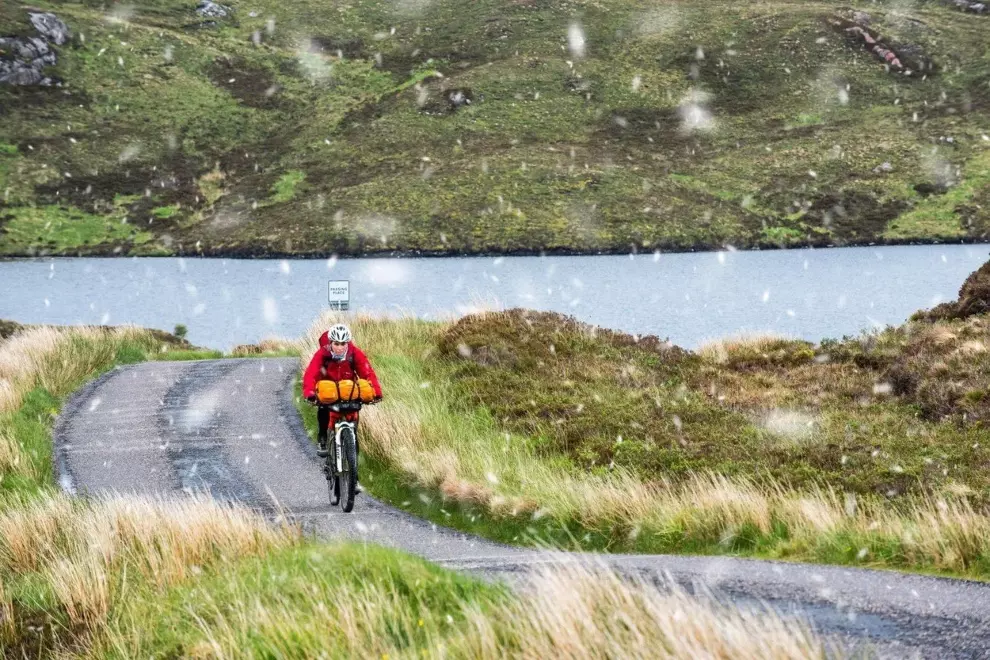
3Cycling travel becomes slower. © Profimedia2026 looks likely to extend an existing shift: riders choosing repeat visits to favourite regions, building relationships with local guides, and advocating for sustainable tourism that supports local communities and environments.
There’s also a growing awareness of impact. Environmental, yes, but also cultural. Riders are asking better questions about where they go, who benefits, and what kind of stories they bring home.
Community and culture shape the conversation
While tech and elite racing often dominate headlines, cycling culture is ultimately grassroots. Clubs, group rides, and online communities are the real engines driving participation and discourse.
In 2026, the sport’s heart will likely continue beating outside pro tours with local group rides continuing to serve as key social hubs, shared platforms where riders exchange gear insights and route tips, and brands looking to engage in meaningful collaboration.
Cycling remains wonderfully and stubbornly communal.
A redefinition of “performance”
Performance used to mean racing, or at least riding like you might race one day. By 2026, that definition will feel narrower than ever.
More coaches are openly discussing sustainability: staying injury-free, motivated, and mentally engaged over the years, not just the seasons. Training conversations increasingly include life context, work stress, caregiving, and sleep debt, without treating them as inconvenient obstacles.
Sustainability as a core narrative
2026 will also see a broader shift in focus onto the UN’s new Decade of Sustainable Transport (2026-2035), promoting cycling as key to reducing emissions, improving health, and enabling broader Sustainable Development Goals (SDGs) through better infrastructure, corporate programs, and innovative tech like TPU tubes, while UCI regulations also aim to balance performance with safety and eco-responsibility, with major events like the UCI Worlds in Montreal championing these principles.
Racing that tells better stories
Fans are increasingly drawn to narratives beyond pure dominance: development arcs, comeback stories, team culture, and representation. Women’s racing, in particular, has shown strong demand for racing that feels open, human, and emotionally legible.
Expect more experiments with race formats, coverage styles, and behind-the-scenes access. And perhaps most importantly, a growing refusal to separate athletic excellence from wellbeing, ethics, and sustainability. That is something we can get behind!
So here’s to entering a new year, having conversations that matter, and seeing our sport continue to shine.