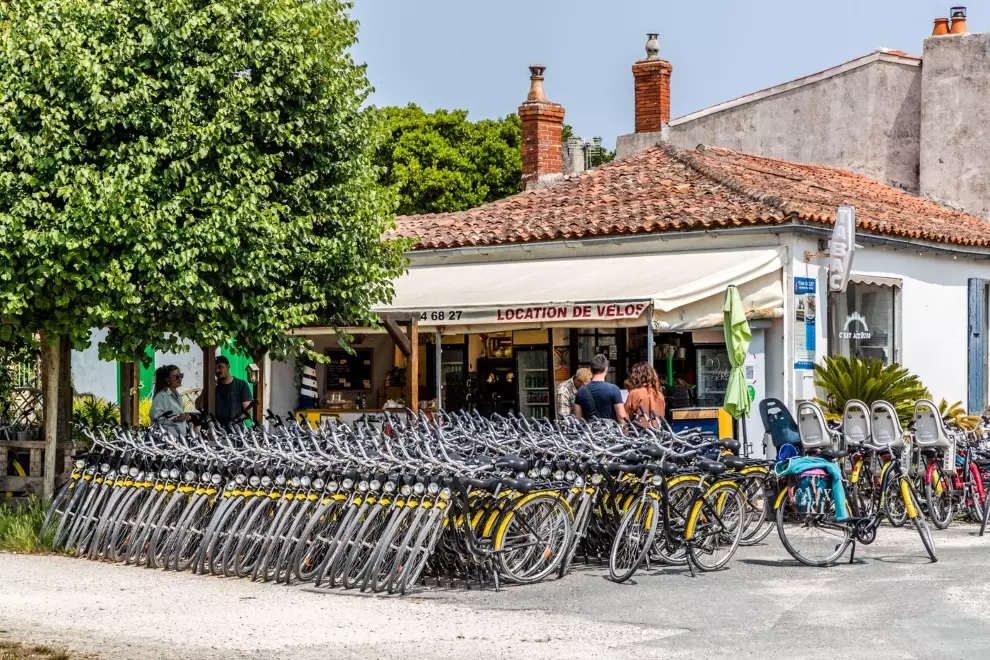
That’s why renting a bike isn’t just about handing over cash. It’s about spotting the traps, avoiding the scams, and making sure you don’t end up starring in your own low-budget survival documentary. So, to spare you the embarrassment, here are the 14 mistakes you should avoid when renting a bike.
1. Not checking the rental company
Some bike rentals are run by people who love cycling. Others are run by people who once saw a bike, decided it looked profitable, and never learned what a hex key is. The difference usually becomes clear about five minutes into your ride, when something vital either rattles, squeaks or falls off entirely. So, before you even get to the store, do some research. Check their ratings online. Look at the Google and TripAdvisor scores. More importantly, read the angry one-star reviews because those are written in blood, sweat, and broken derailleurs.
Otherwise, you’re basically paying for the privilege of discovering just how many things can fall off a bike before it stops being legally classified as a bike.
2. Not bringing your own helmet and pedals
There are few things more unsettling than strapping on a rental helmet without knowing how many sweaty heads it’s already seen. The padding absorbs everything: sweat, sunscreen, hair gel, and who knows what. If you wouldn’t share a toothbrush with a stranger, why would you share something that’s basically a portable sponge for bodily fluids? If you must use the shop’s helmet, check for cracks, discolouration, and the expiration date. Then spray the inside with enough ethanol to qualify as a cocktail. At the very least, put a layer between it and your head. Your scalp deserves better.
Pedals are no better. Flats? Fine, if you’ve checked that they’re not bent, stripped or made of cheese. But if you ride clipless, always bring your own. Trusting rental pedals is like trusting a parachute from a flea market.
3. Not checking the bike
A shiny frame doesn’t mean the bike isn’t hiding dark secrets. Always poke around before you ride. Tyres should feel firm, not like week-old fruit. Brakes should stop the wheels, not just make a noise that sounds like an animal in distress. And if the chain has more rust than metal, you’re basically signing up for tetanus with pedals.
Check the important bits too: handlebars, seatpost, pedals. If they wobble when you touch them, they’ll betray you the moment you hit your first pothole. Give the bike a quick shake, squeeze, and spin. Skipping this step is how you end up performing an unscheduled front flip, starring in a slapstick routine nobody asked for, powered entirely by someone else’s neglect.
4. Ignoring the bike’s suitability
Not every bike is built for every ride. That beach cruiser might look Instagram-worthy, but try hauling it up a mountain road and you’ll understand the true meaning of regret. On the other hand, a full-suspension mountain bike is fun until you realise you’re only riding to the bakery two blocks away.
Pick the wrong type and your day shifts from “pleasant ride” to “personal vendetta against physics”. The shop will happily give you whatever is gathering dust, so it’s on you to be realistic. Road, gravel, mountain, city – know what fits your route. If you ignore this, don’t be surprised when you’re dragging forty pounds of bike uphill or rattling down cobblestones on tyres thinner than breadsticks.
5. Not testing the gears and brakes
Never assume the gears will shift or the brakes will stop. Rental bikes are masters of false confidence. The gears might work perfectly on the stand, then scream like tortured metal as soon as you hit a hill. Brakes often look fine until you pull the lever and discover it’s just a decorative accessory.
Before you ride away, run through the gears. Make sure the chain doesn’t leap off like it’s trying to escape. Squeeze the brakes hard enough to know if they actually bite the wheel. Two minutes of testing can save you from a twenty-kilometre walk home. Skip this step, and you’ll find out the hard way what it feels like to hit a descent with the stopping power of a damp sponge.
6. Not checking for spares or tools
Flats and mechanics don’t care that you’re on vacation. They happen anyway, and the difference between fixing them and walking for hours is whether you’ve got the basics. Some rental shops provide a tube, levers, and a pump. Others hand you a smile and the assurance that the universe is on your side. I know it comes as a shock, but the universe doesn’t care about you… And, in a manner of speaking, the rental shop doesn’t do so well either.
So make it your business to ask what’s included, and if the answer is “nothing”, find someone who will at least provide a spare tube, multitool, and a pump. When they give you the saddlebag, don’t just trust them. Make sure everything is inside. Bringing some patches with you will also help. Skip this step and you’ll be pushing your broken bike down a scenic road, explaining to every passerby that no, you’re not on a pilgrimage. You’re just underprepared.
7. Not personalising the bike
A rental bike is rarely perfect out of the box. The saddle height will be wrong, the bars might be crooked, and the grips will feel like they were designed to sandpaper your palms. If you just accept it, you’ll spend the whole ride wondering why your knees hurt and why the saddle feels like it’s plotting against you.
Take five minutes to make it yours. Adjust the saddle height so you’re not pedalling like a circus clown. Bring your own pedals if you ride clipless. Even small tweaks can turn a “barely rideable” machine into something tolerable. Ignore this step, and your ride becomes an endurance event in suffering, with every kilometre reminding you that this bike was set up for someone who definitely wasn’t you.
8. Wearing the wrong clothes
Cycling in the wrong outfit can ruin a ride faster than a flat tyre. Jeans turn into sandpaper, flip-flops guarantee bloodshed, and anything “fashionable” will betray you the moment sweat enters the chat. A rented bike doesn’t care how you look; it only cares how much skin it can chafe off before lunch.
Wear something breathable, something you can actually move in, and shoes that won’t launch off at the first pothole. Lycra isn’t mandatory, but basic common sense is. Skip this step, and your vacation photos will feature you wincing through denim-induced burns, limping from blisters or trying to explain to strangers why your sandal just flew into traffic.
9. Forgetting a lock
A rented bike without a lock is basically a gift to the first opportunist who walks by. Some shops give you a sturdy U-lock, others toss you a piece of string and a pat on the back. If the lock looks like it could be snapped by an angry toddler, don’t trust it.
Always check what you’re given, and if it’s a joke, get your own. A proper lock isn’t just about protecting the bike; it’s about saving yourself from the world’s most awkward conversation at the rental desk when you return with nothing but the receipt. Skip this step, and you’ll spend your ride less like a cyclist and more like a paranoid security guard, guarding someone else’s property with your life.
10. Not planning your route
A rented bike doesn’t magically lead you to scenic views and charming cafés. Without a plan, you might end up on a highway, a goat path or staring at a “no cycling” sign halfway up a climb. Google Maps is helpful, but it has a habit of confusing bike lanes with death traps.
Always check your route before you set off. Know how long it is, what kind of terrain you’ll face, and whether there are places to stop for food and water. Ask the rental shop if your plan makes sense. They’ll know which roads are safe and which ones locals avoid for good reason. Skip this step, and your “relaxing ride” quickly turns into a survival expedition where the only landmark you see is your own poor judgment.
11. Not asking for local advice
Locals know the difference between a pleasant bike ride and a guaranteed trip to the emergency room. Maps won’t tell you about the cobblestones polished smooth by centuries of tourists or the “bike lane” that doubles as a parking lot. A quick question at the rental shop can save you from surprises that range from mildly annoying to genuinely life-threatening.
Ask which routes are safe, which climbs are worth it, and which shortcuts are just creative ways to ruin your day. You’ll usually get better rides, better views, and maybe even a café recommendation that doesn’t involve waiting in line with three hundred other tourists. Ignore this step and you’ll be the wide-eyed visitor pedalling straight into traffic, wondering why everyone else knew better.
12. Trusting the staff blindly
The person behind the counter may know bikes inside out. Or they may just know how to work the cash register. If you accept whatever they hand you without question, you’re gambling with your comfort and possibly your dignity.
Staff love to say things like, “This one’s perfect for you.” Translation: “It’s the only thing left in your size, and we really want it out of here.” Don’t take their word for it. Throw a leg over the bike, test the fit, run the gears, and squeeze the brakes. If something feels wrong in the shop, it will feel ten times worse an hour later on the road. Blind trust is how you end up paying premium rates for a bike that rides like an arthritic donkey.
The difference between a ride and a cautionary tale
Renting a bike can be the highlight of your trip or the beginning of a very long therapy session. The difference comes down to paying attention to the small things: the shop, the gear, the setup, and your own common sense. None of it takes more than a few minutes, but skipping any of it can turn “casual sightseeing” into “slow-motion disaster with bonus chafing”.
Do the checks, ask the questions, and make the adjustments. That way, the only story you bring home is about the ride itself, not the part where you discovered how many miles you can walk in cycling shoes.