The numbers that make it real
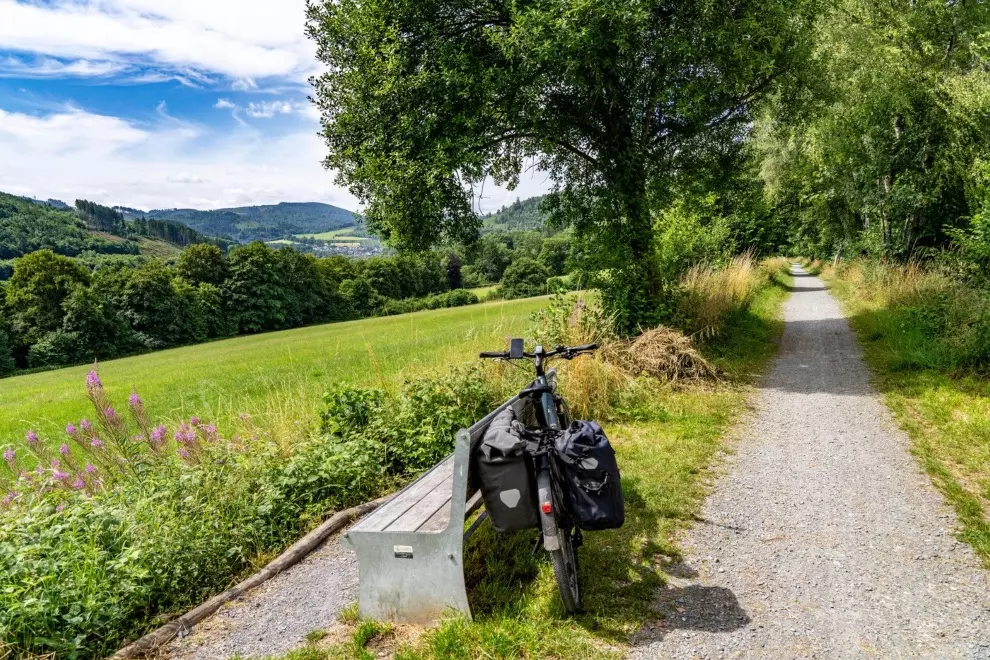
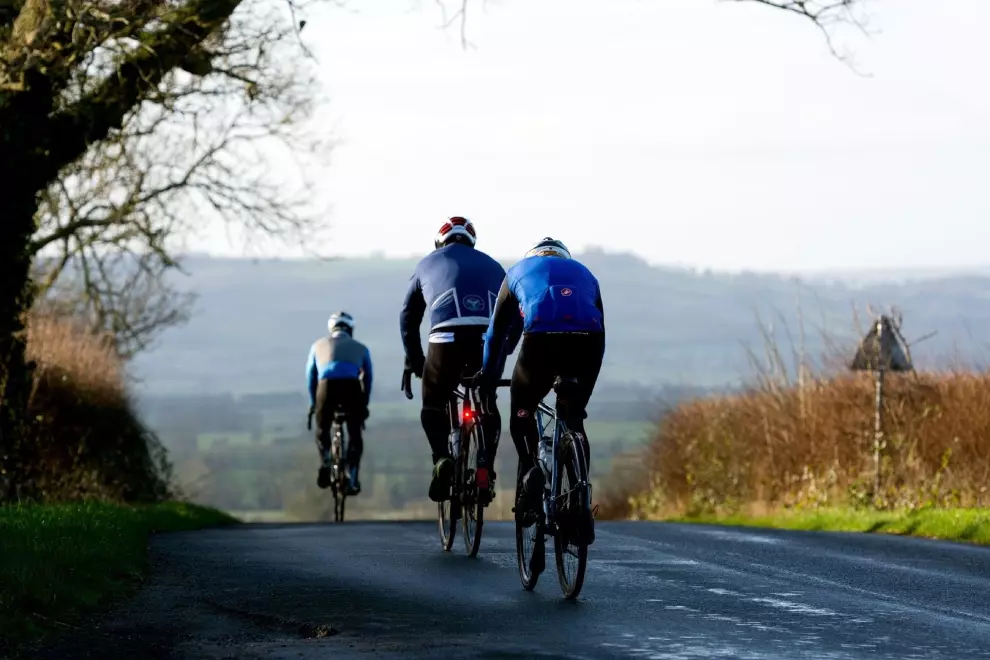
Take my planned route as an example. It will be between 160 and 170 km with about 2000 m of climbing, split between 90% paved roads and 10% unpaved. If all goes smoothly, the moving time could be around 8 hours. But it could easily be a lot more depending on the wind, the temperatures on the day, and how good I’m feeling.
For a rider of around 75 kg, that means burning roughly 4,000 calories. To put that into perspective, that’s the equivalent of two extra days of food on top of what you’d normally eat. So, how do you eat enough to cover that expenditure?
Can I eat 24 bananas?
Sports nutrition guidelines recommend taking in 60–90 grams of carbs per hour on long endurance rides. For an 8-hour effort, that’s between 480 and 720 grams of carbs. Even the lower end of that is a lot, more than most people are used to eating while riding.
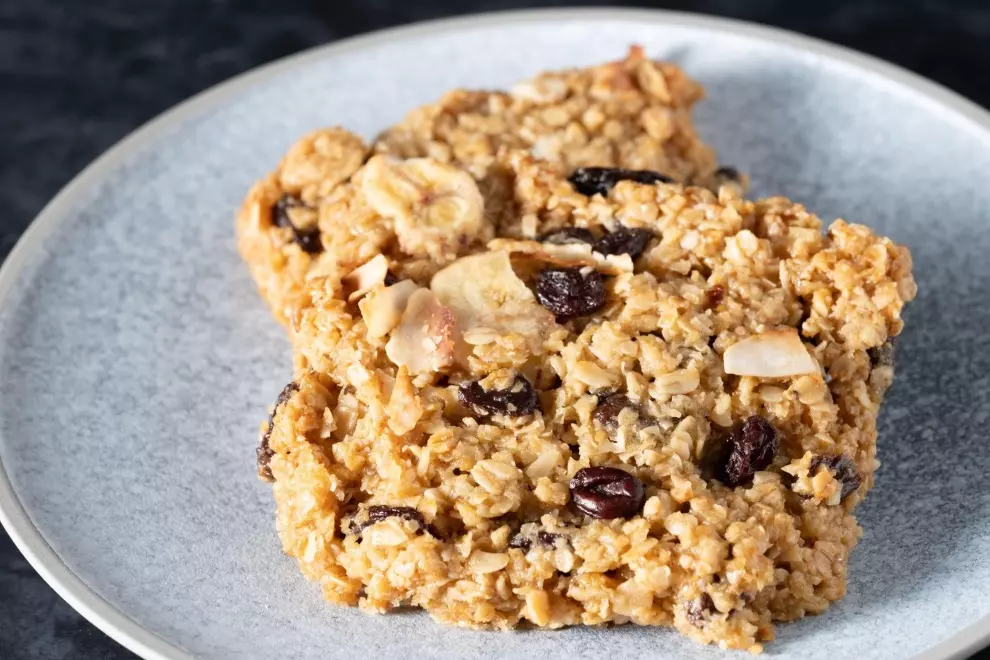
At minimum I will have to eat 16 large bananas, or energy gels, or smaller flapjacks, or 500 ml bidons of isotonic drink. Of course, in reality, it will be a mix of these things, but you can imagine just how much food that is. And to complete the math exercise, if I want to hit 90 g per hour it’s 24 bananas.

Eating 2 or 3 bananas every hour may not sound hard in the first hour. But when you get tired or you push hard, your stomach may not be so welcoming to large quantities of food. That’s why it’s important to “train the gut” as they say.
And the craziest thing of all is that even if I somehow manage to hit 90 g of carbs per hour for the entire 8 hours, I will only take in 2880 kcal. This means I will still likely end up with a deficit of over 1000 kcal at the end of the ride.
Hydration matters too
Carbs are only half the picture. On a long ride you also need to keep up with fluids. Between 500 and 750 ml per hour is a good ballpark, more if it’s hot. That adds up to at least 3–5 liters across a century ride. And plain water isn’t enough. You’ll need electrolytes, especially sodium, to keep your muscles firing and your body functioning.
Common mistakes
Even when you know about all about how much food you should eat and how to hydrate, you can still make a lot of mistakes. Here are the common mistakes people make, me included.
Waiting until I’m hungry. I learned this one early on. If I don’t start eating way before the hunger comes, it’s a guarantee my speed and motivation will go down as I run out of energy. My tip: set an alarm to eat (and drink) 1-2x per hour so you don’t have to think about it.
Starting the ride under-fueled. It makes a big difference if I skip a good breakfast. It means that I’m already trying to catch up when hopping on the bike, and you can never catch up while riding.
Only drinking water. Sure, water is enough on shorter rides. But planning to be in the saddle all day means I have to switch my mindset and start using electrolyte drinks to avoid hyponatremia and poor performance, or even health issue.
Experimenting on the big day. Everything I eat or drink on the century ride will be stuff I’ve tried and tested before. At least that’s the plan.
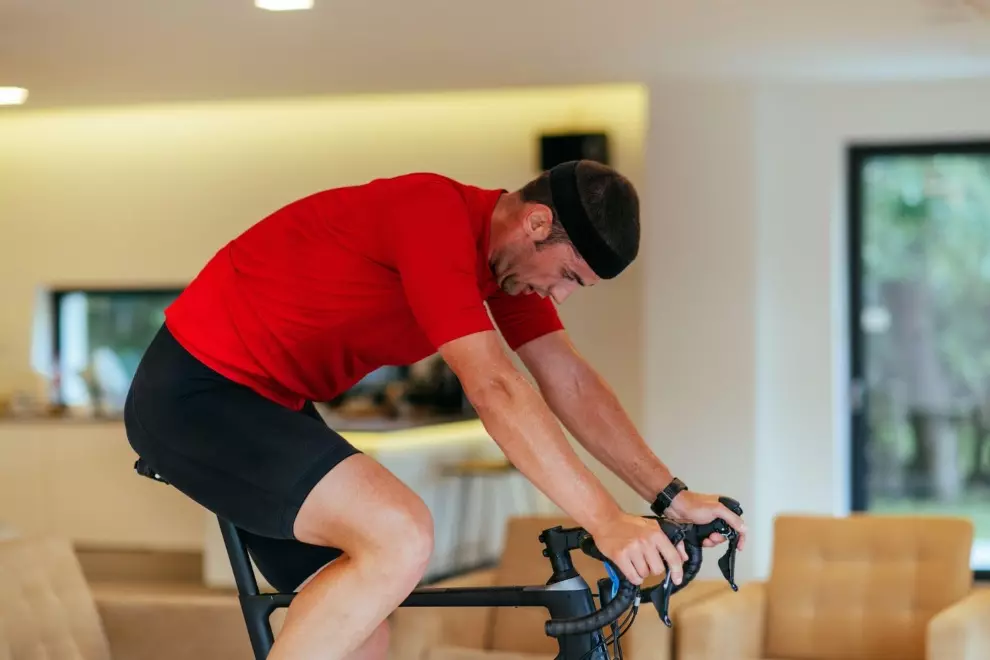
Neglecting practice. It’s not enough to know what to do, I have to actually experience it. Long rides are not just for building endurance but also for training the gut and getting me used to eating a lot.
What to eat on the bike?
I do enjoy bananas but those are simply not practical. Most likely, the majority of my calories will come from several flapjacks, a sandwich or two, a pack of gummy bears, and some electrolyte mix to refill my bidons with an isotonic drink on the go. I’m sure we will make some stops along the way to restock. I like buying fresh fruit mid ride if possible. And I will also likely get some savoury snacks to avoid eating only sweet stuff all day, maybe even a soup if we get lucky. But a lot depends on the weather and what options we have along the route. I enjoy some element of adventure left.
Next time, I’ll look at the gear, comfort, and mental side of preparing for 100 miles, because what you sit on, wear, and think about can matter just as much as what you eat and drink.