A rocket-fuel decade
If you’ve been following women’s road racing since the mid‑2010s, the calendar you scroll through today looks nothing like the one you learned back then. In 2016, the UCI Women’s WorldTour (WWT) replaced the old one‑day World Cup and set out to stitch the best races into a coherent season with minimum broadcast standards and a clear top tier. Fast‑forward to now, and we’ve got Monument‑level cobbles, three marquee stage races, Oceania and the Middle East on the map, and a late‑season swing in China. The sport has scaled up in depth, geography, and visibility, and fans have more meaningful racing windows than ever.
So what actually changed? And what still needs to click into place for the calendar to feel truly complete?
From World Cup to WorldTour: The structural pivot
Before 2016, most headline women’s races were isolated one-day events. The WWT brought a season-long spine with rankings, guaranteed TV time, and a framework that encouraged organisers to add women’s editions of their established men’s races. That single policy shift unlocked a wave of upgrades. Spring classics like Omloop Het Nieuwsblad and Strade Bianche became cornerstone openers. The entire Ardennes week—Amstel Gold, Flèche Wallonne, and Liège—turned into a proper trilogy for women. And organisers began building stage races that asked more of GC riders than a single summit finish.
The knock‑on effects were bigger fields, higher speeds, and a calendar that rewards versatility. You can now trace a rider’s year from early‑season cobbles through punchy classics and into grand‑tour‑style stage racing.
The milestone additions
A few moments changed the trajectory of the calendar overnight.
Paris‑Roubaix Femmes (2021). The mythical cobbles arrived and immediately became a season‑defining objective. The “Hell of the North” is now an annual litmus test for power, handling, and luck, and it anchors April alongside Flanders.
Tour de France Femmes avec Zwift (2022). An eight‑stage return to the biggest name in cycling delivered monster audiences and a main‑course July target for GC riders. With mountains, gravel, sprints and a GC crescendo, it instantly reset expectations for what a women’s stage race can look like.
Australia & the Gulf join the party (2023). The Women’s Tour Down Under stepped up to WorldTour, and the new UAE Tour Women arrived a month later. That gave the peloton a structured January‑to‑February block outside Europe, with meaningful GC days in summer conditions and crosswind‑heavy racing on pristine roads.
La Vuelta Femenina levels up (2023). Spain’s race evolved from the late‑season “Challenge by La Vuelta” into a full week in early May, adding a high‑mountain finale. That put three marquee stage races on the calendar, each with a distinct identity and timing.
Giro d’Italia Women refresh (2024). Under the new organisation, Italy’s grand tour modernised presentation and route design and found a firmer midsummer slot between the other GT‑style races.
Milan–Sanremo Donne returns (2025). After decades in the lore books, La Classicissima finally has a modern women’s edition again, sliding into March to complete a near‑full set of spring monuments for the women.
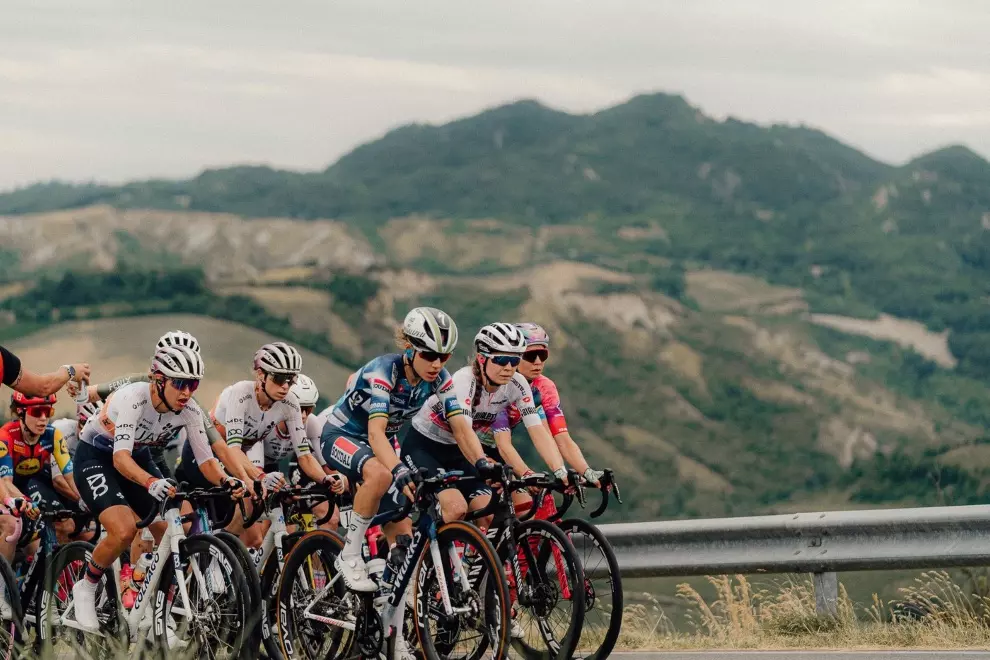
What the calendar looks like now
Today’s WWT has a clear rhythm:
Opening block (Jan–Feb): Australia’s Tour Down Under and Cadel Evans Road Race set the tone, followed by the UAE Tour Women, fast, windy, and already shaping GC form.
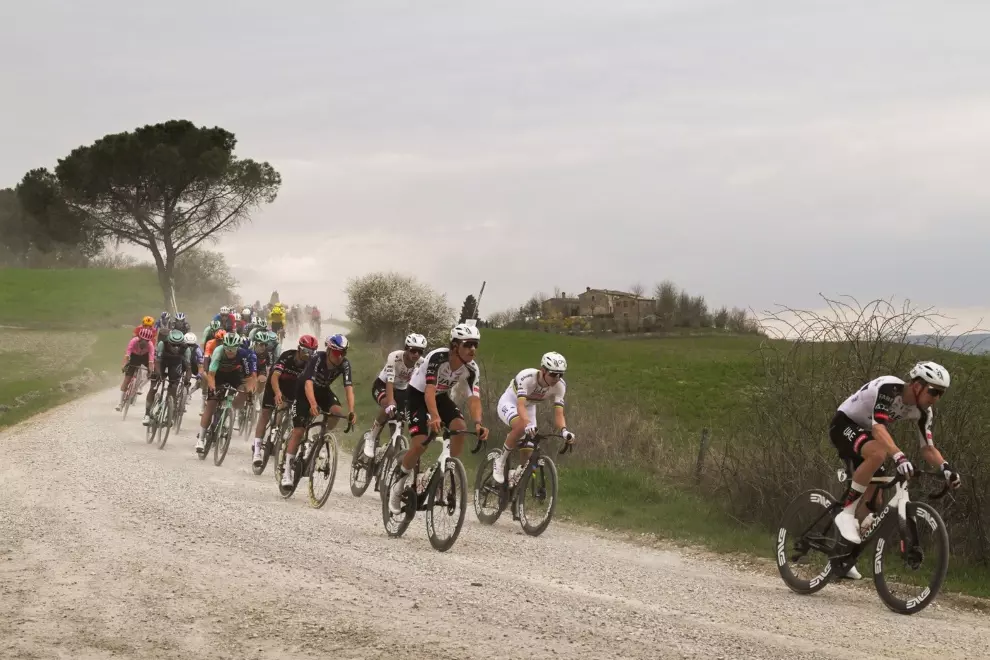
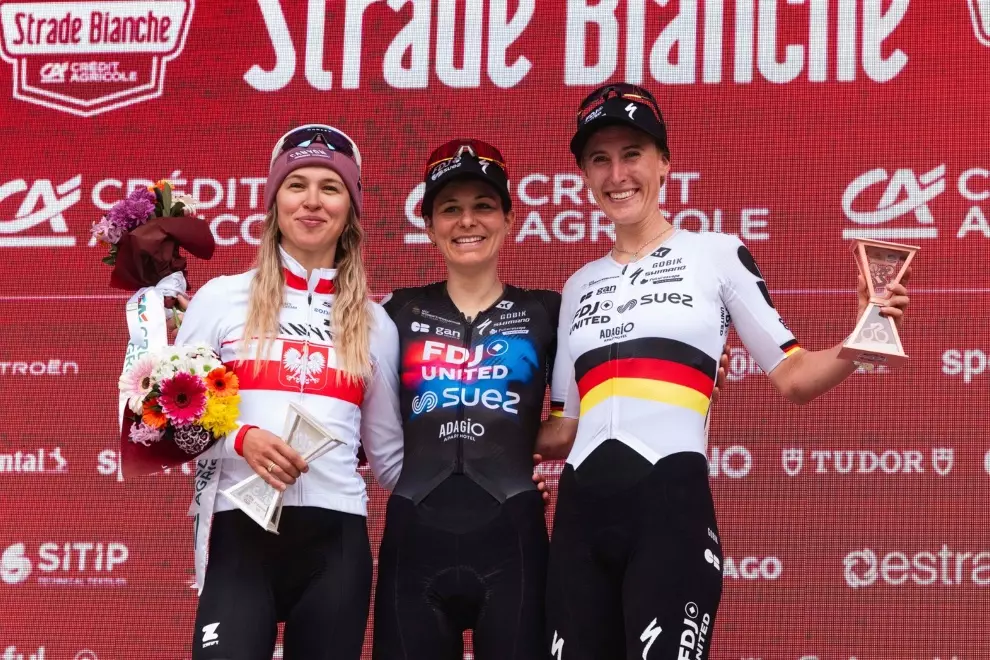
Spring classics (Feb–April): From Omloop Het Nieuwsblad to Strade Bianche, then a dense Flanders–Roubaix–Ardennes run. This is the defining stretch for classics specialists.
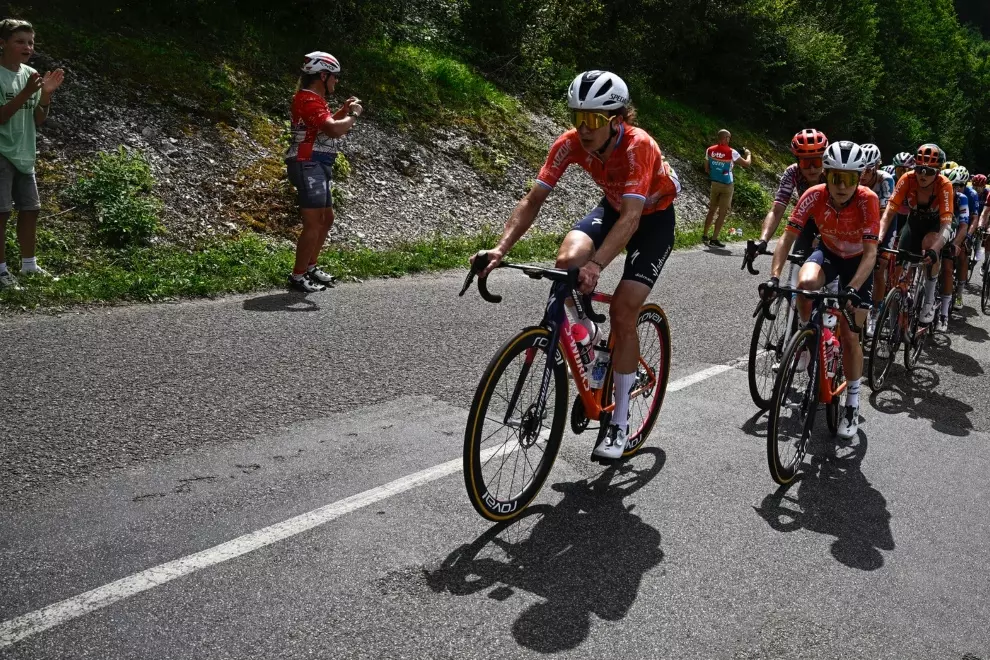
Early grand‑tour window (May–July): La Vuelta Femenina opens the long‑climb season, Giro d’Italia Women holds the midsummer stage‑race slot, and Tour de France Femmes avec Zwift closes July/early August with the biggest spotlight.
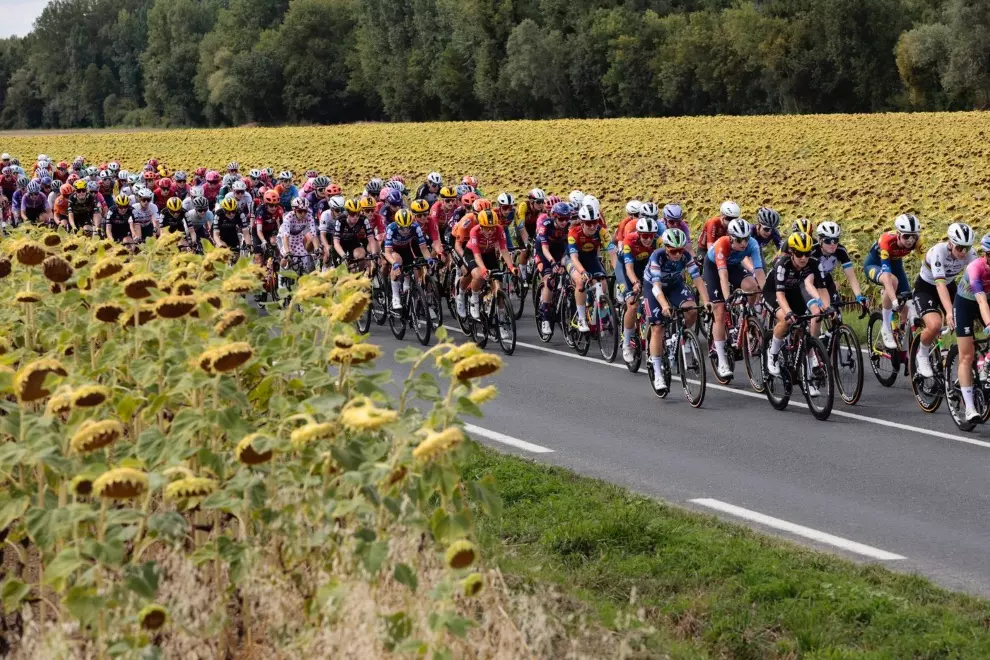
Late season (Aug–Oct): A mix of northern stage races and one-day events, followed by a long-haul finale featuring Chongming Island and Guangxi in China.
The other big story is breadth. The WWT now spans multiple continents, with 80‑plus days at the top tier and a deeper second division to feed it. For fans, that means fewer “dead zones” in the year and more time‑zone variety, you can watch breakfast stages from Australia, afternoon cobbles in Belgium, and nighttime coverage from the Gulf or China.
Progress beyond the route maps
Calendar growth didn’t happen in a vacuum. A few off-bike reforms made the whole thing sustainable. Minimum live coverage requirements forced events to invest in TV, raising the floor on production quality and sponsor value. That visibility is why organisers have the confidence to upgrade women’s editions. At the same time, structural reforms such as a higher guaranteed minimum salary for Women’s WorldTeams, formal maternity protections, and clearer development pathways have made it realistic for riders and staff to build long careers. The addition of Women’s ProTeams, a new second tier from 2025, also gives ambitious squads a promotion route and keeps pressure on the elite level.
What’s still missing
Even with all the momentum, there are gaps the sport can (and should) tackle next.
1) The fifth Monument. With Flanders, Roubaix, Liège and now Sanremo on the calendar, Il Lombardia is the glaring missing piece. An autumn Monument for women would give climbers a true late‑season pinnacle and neatly bookend the year.
2) A North American anchor. The WWT once flirted with a bigger US/Canada presence but hasn’t nailed down a stable, long‑term top‑tier race there. A late‑spring or late‑summer North American block (one stage race plus a classic) would diversify the calendar and the fan base.
3) More high‑mountain days across the big tours. The marquee stage races have all delivered summit‑finish drama, but the depth of sustained high‑altitude climbing still lags behind the men’s calendars. We’re seeing progress—harder queen stages and better time trials—but doubling down on big-mountain identity will help differentiate each race.
4) Date harmonisation. The calendar’s expansion occasionally creates overlaps that force teams to split squads or skip events they’d happily attend. A clearer classics‑to‑stage‑race handoff, plus a little room around national championships and the Olympics in summer, would prevent logjams.
5) Deeper geographic spread thoughtfully. The pushes into Australia, the Gulf and China are working because they come with solid logistics and broadcast. If the WWT explores new regions (say, North America or South America), success will hinge on that same formula: predictable travel, TV that works for global audiences, and routes that showcase local terrain.
6) Unequal race lengths and prize money. Women’s editions of major races are still often shorter than men’s, with fewer race days and capped stage lengths. Despite progress on minimum salaries, prize purses remain significantly lower across most events. Bridging those gaps is essential for genuine parity.
7) Keep raising the production bar. Live coverage exists; now the focus should be on richer storytelling, more cameras on decisive climbs, consistent moto placement on gravel/cobbles, on‑bike data, and post‑race analysis that treats women’s races with the same editorial depth as the men’s.
The fan experience: Why this matters
For casual fans, the modern calendar is easier to understand and easier to follow. You know when the heavy cobbles are coming, when the punchers take over, and when to block off a week for GC fireworks. Bigger, better‑covered events mean it’s simpler to pick a team or rider to follow and actually see their season arc play out, something that was much harder a decade ago.
What to watch next
Spring 2.0: With Milan–Sanremo Donne back, watch how teams balance that Ultra‑Classic with Strade, Flanders and Roubaix in quick succession.
The GC arms race: The Giro, Tour, and Vuelta now sit close enough on the calendar to force choices. Expect more specialisation—teams targeting two rather than all three—and smarter rider rotations.
Promotion/Relegation pressure: With Women’s ProTeams established, mid‑table WorldTeams will feel more heat to chase points week‑in, week‑out. That usually makes for aggressive racing in “smaller” WWT rounds.
Bottom line
The Women’s WorldTour calendar has evolved from a string of great one‑days into a full‑season ecosystem with signature events, clear peaks, and an increasingly global footprint. The work isn’t finished, there’s room for a fifth Monument, a North American block, and even richer coverage, but the foundation is there. For fans, that means more can’t‑miss weekends, more meaningful weekdays, and a season that finally feels as big as the racing deserves.