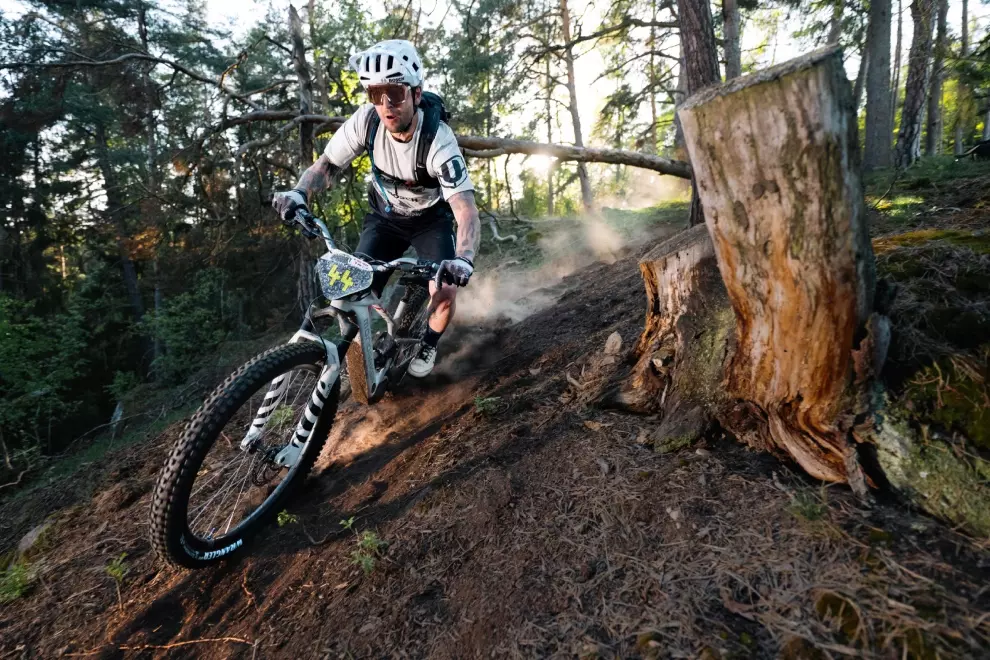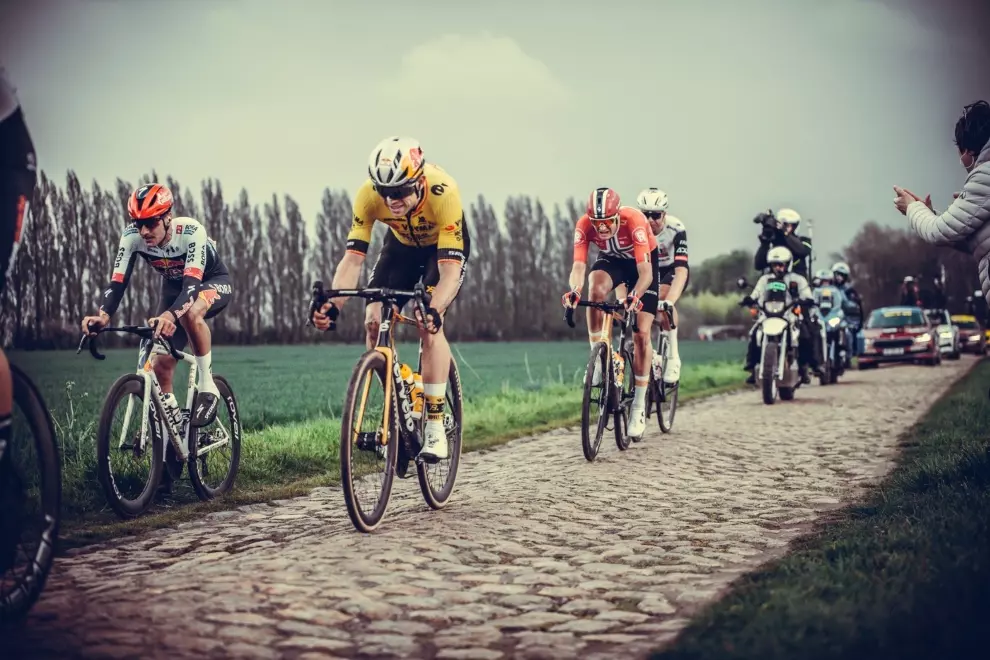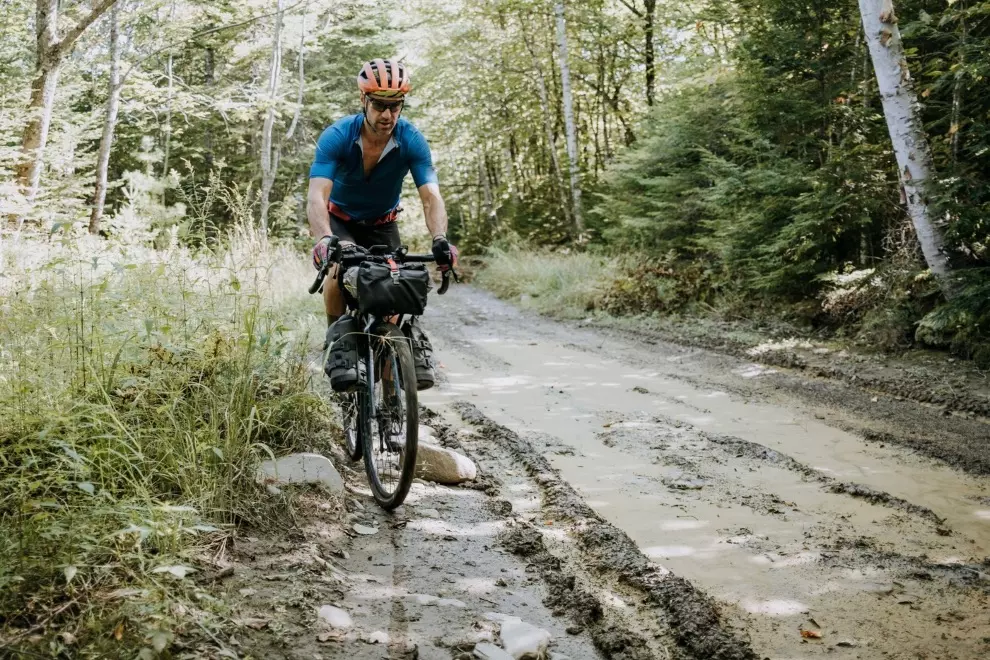
Come on. You know you love going through them muddy puddles at full speed, getting splashed all over. It’s part of the experience. Actually, scratch that. It’s the main curse of the experience.
Unfortunately, adulthood means no one’s around to scold us for looking like a swamp monster. And even worse, no one’s around to clean up after us. You know, the extra three tons of mountain you brought home on your clothes. So, yes, you now have to take care of your bike, your gear, your laundry, and your gorgeously sculpted calves, which will shrink two times once you get under the shower.
Yeah, life’s not fair. Fun always comes hand-in-hand with chores. While your bike usually gets all the attention (rightfully so), we’ve already talked at length about how to clean that poor machine. Today, we’re focusing on the unsung heroes of this one-sided battle with the mud: your gear. Our helmet, shoes, bibs, glasses, bidons, and that GPS device now camouflaged as a small rock. They’ve all served us well during the mud bath. Now it’s your turn to return the favour. Think of this guide as CPR for your kit. A post-ride survival plan to keep your gear alive long enough to get trashed all over again next weekend.
Bike computer
Let’s start with the expensive stuff. Your bike computer was not designed to double as a mud sculpture. The sooner you clean it, the better your chances of keeping it alive. Considering how much replacements cost, that’s the most financially responsible thing you’ll do all week. The good news is that your bike computer is (most probably) waterproof. This doesn’t mean it likes being pressure-washed. Give it a bit more attention. Hardened mud can scratch the screen, clog the buttons, and turn the whole thing into a very stylish and expensive paperweight. If you’re going to clean it, do it properly.
Step one: Take it off the mount. Immediately. Before you forget and accidentally blast it with high-pressure water while cleaning your frame like a fireman on performance-enhancing drugs
Step two: Grab a microfiber cloth, a soft brush (an old toothbrush works), and some mild soapy water. No jet sprays. No soaking. No, “it’ll be fine”. It won’t. You’re not pressure-washing a tractor.
Clean the screen gently. Pay special attention to the charge port, which by now probably contains half the trail. Use a dry cotton bud or toothpick if needed, but be delicate. You’re cleaning, not trying to get a stuck piece of broccoli between your teeth.
When it comes to the buttons, if they’re sticky or clogged, you can gently work them with a damp cloth and compressed air. NOT your breath unless you want it to fog up and short-circuit out of spite.
Step three: Once it’s clean, pat it dry like you care about your investments. Let it air out fully before plugging it in. Mud plus electricity ends exactly how you think it does.
Zobrazit příspěvek na Instagramu
Bidons
Once you’ve dealt with the electronics, it’s time to clean the gear that can hurt you if neglected. Bidons might seem like the lowest priority, but let’s remember: this is the thing you stick in your mouth. And while I’m no doctor, I’m fairly confident that whatever microbial cocktail formed from mud, sweat, dust, and half-dissolved isotonic powder isn’t improving your gut flora. So, unless you’re into the taste of pondwater with surprise protein, it’s time to scrub that biohazard.
Step one: Rinse it immediately after the ride. Yes, even if you’re tired. Especially if you’re tired. Wait until it crusts over, and you’re not cleaning it – you’re starting a bacterial colony.
Step two: Take apart everything that comes apart. That means the lid, the nozzle, the inner seal (if it has one), and anything else that can be separated without a crowbar. Mud hides in places your dentist wouldn’t dream of.
Step three: Use a bottle brush. Not your dish sponge. Not your fingers. A proper, bristly brush. Ideally, one that doesn’t moonlight cleaning the family casserole dish. If you’re using it for bike bottles, let it stay a bike bottle brush.
Step four: Use warm water and dish soap. Don’t go full chemist with bleach or vinegar unless the bottle actually smells like a wet dog rolled in compost. Even then, just throw the bottle. They cost like 5 euros.
Final step: Finally, inspect for black spots or a weird film inside the bottle. If you have these, just throw the bottle away and get a new one. This is mould, and it’s not worth dealing with it.
Sunglasses
Somewhere between the third puddle and that weird bog near the switchback, your sunglasses stopped being eyewear and became abstract art. They now display a tasteful layering of grit, sweat, and something suspiciously plant-based, which would be fine if you didn’t need them to see. The worst part? You’re probably about to wipe them clean with the nearest corner of your jersey. Which, reminder, is also caked in mud, chain grease, and whatever snack you forgot was in your pocket three hours ago. Let’s not grind sand directly into the lenses, shall we?
Step one: Rinse the lenses before you touch them. This should come without saying, but use your kitchen sink, not the garden hose. Also, stick to lukewarm water. Extremes may cause the lens to crack in some cases. A few drops of soap or a diluted dish soap will do the trick.
Step two: Use either a lens cloth or a microfiber towel. Not your sleeve, not your gloves, and definitely not that section of your bibs that went full submarine during the creek crossing.
Step three: Clean the nose pads and hinges. This is where the real filth hides. Also, where weird smells originate. If your glasses make your face smell like expired broth, now you know why.
Finally, let them dry. In the shade. Not on your car’s dashboard, where the UV rays will slow-roast the rubber pieces until they melt into something Picasso would disapprove of.
Zobrazit příspěvek na Instagramu
Helmet
Sure, you could argue there’s no point cleaning it, since the next ride will ruin it again. That’s also how most people approach dental hygiene. But if you’re not planning to replace your helmet every season, maybe treat it like the skull-saving, plastic hat it is. Mud doesn’t just sit there. It slowly eats everything. Plastic, foam, padding, and let’s not forget your self-respect.
If you’d rather not start a yearly helmet replacement fund, here’s how to keep it alive a little longer.
Step one: Remove the pads and straps if possible. If not, it’ll be messier, but still doable.
Step two: Rinse it with lukewarm water. Avoid hot water as it may damage the plastic or the foam that protects your skull. Add a little soap or, better yet, some baby shampoo, and gently scrub with a soft brush. I use my old toothbrush. You can use your current one as well, but I guarantee the taste won’t be something you’ll be eager to find out.
Step three: Go into the crevices. That mud didn’t just sit on top. It migrated. Into the vents, under the shell, around the dial system. If your helmet has a retention system, now’s the time to find out what it looks like without sediment baked into it.
Step four: Rinse everything again. If you hear sloshing after drying, something went wrong. If it starts growing, something went very wrong.
Final step: Air dry only. In the shade. No hairdryers, no heaters, no roasting it over the radiator. Unless you want your helmet to be an art form that no one seems to understand, stick to au naturel.
Clothes
Next on the list are your clothes. If you had a lot of fun, they most probably can’t be easily distinguished from the rest of your body. So, peel them carefully. You don’t want to bring the entire trail into your bathroom. At some point during the ride, your bibs stopped being clothing and became a delivery system for trail debris. Your jersey is two-thirds sweat, one-third nutritional gel, and your socks feel like they fought in an unwinnable war. All in all, you look like a compost bin. Cleaning your clothes isn’t just about removing stains. It’s about removing everything else. And doing it fast. Because once that mix of mud, sweat, and whatever missed your mouth bakes in, your jersey goes from “technical fabric” to “biohazard”.
Step one: Get a bucket and soak your clothes in it. Put a bit of soap inside and rinse several times, just to get the top layer of filth.
Step two: Rinse once again and turn everything inside out. This is where the salt, grime, and possibly a colony of dead bugs live. It’s also the only way your fancy wicking fabric might stand a chance.
Step three: Throw it in the washing machine and set it up on a gentle cycle with cold water and moderate spin. Use a sport-specific detergent if you have one. If not, your regular one will do the trick, but it will wear the fabric faster.
Step four: absolutely no softener. It kills the fabric tech.
Drying: Air only. Shade only. Your dryer will turn your jersey into a crop top and your bibs into expensive chewing gum. Hang them like you care, even if you don’t.
Socks: I usually wash them by hand to remove all the mud and flora I picked up along the ride. Then I dry them up and put them straight into my dirty clothes pile to get a proper wash. Yes, they need a second round, and you will know these ones when you get to your shoes.
Shoes
At some point during your ride, your shoes stopped being shoes and became terrariums. Mud in the sole, gravel in the insole, a stick poking out of the cleat like it’s trying to evolve into a root system. If you shook them upside down, you could probably replant a small garden. Of all the gear, your shoes hold the line between “well-worn” and “please no more”. Leaving them dirty is the fastest way to become a true God. After all, you will give life to so many lifeforms inside your shoes, it’s hard to believe at least one of the fungal colonies won’t start worshipping you. So, just in case you want to avoid these devout believers climbing up your feet during the next ride, you should get cleaning.
Step two: Rinse with cold water. Hose is fine, but low pressure unless you want the inside to take three days to dry and smell like a forgotten camping trip.
Step three: Scrub gently with a soft brush and soap. Don’t go at it like you’re sanding a canoe. Be thorough, but don’t damage the materials. Focus on the sole, the cleats, and the upper – especially the tongue, where mud loves to hoard like a bitter dragon.
Step four: Clean the insoles separately. If they’ve gone stiff or slimy, toss them. Insoles aren’t heirlooms.
Step five: Stuff the shoes with newspaper or a clean rag to absorb moisture. Do not use a hairdryer unless your dream is to turn your expensive MTB shoes into crispy taco shells.
Bonus tip: Dry them somewhere airy and shady. Not direct sun, not your car dashboard, and not “near the radiator”, which is code for “meltdown imminent”.
The price of fun is always paid in chores
Taking care of your gear doesn’t just make it last longer – it keeps you riding safely, comfortably, and slightly less mouldy. You don’t need a pressure washer, a chemical lab, or monk-like patience. Just a few minutes, some soap, and the willingness to admit your shoes are not, in fact, self-cleaning.
So next time you’re tempted to dump everything in the corner and “deal with it later”, just remember: Later, you will hate yourself. And you’ll deserve it.
Clean it now. Ride longer. Smell better… at least before the first puddle on the next ride.