What makes a hilly stage unique?
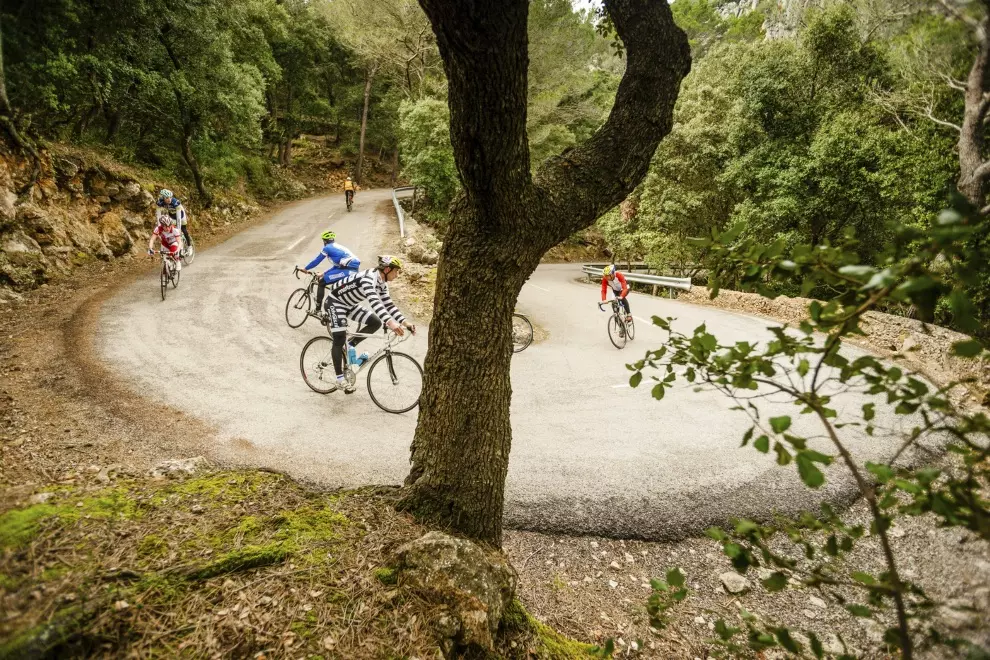
Not quite flat, not fully mountainous, hilly stages are the unpredictable middle ground of the Tour. They’re prime territory for breakaways and puncheurs, with terrain that never settles. Riders face a constant rhythm of rolling climbs and descents, making it one of the hardest types of stages to control. This year’s Tour de France includes 6 of these stages, so there will be plenty of inspiration and excitement. Here’s what a typical hilly stage looks like.
Distance: 150–210 km
Elevation gain: 1500–3500 m
Categorised climbs: Several categorised climbs (usually Cat. 3 and 4, occasionally Cat. 2)
Experience: The pace varies throughout the day with repeated surges on the rolling terrain and easier parts on the flats, requiring constant alertness.
How to design your own hilly stage?
The good news? You don’t need alpine passes to simulate a Tour-style hilly day. The bad news? You do need to keep your legs guessing. With repeated moderate climbs and changes in intensity, this kind of stage challenges your pacing and endurance, no matter your fitness.
Take the quiz to find out what type of cyclist you are and continue below to find your perfect version of a punchy, rolling ride.
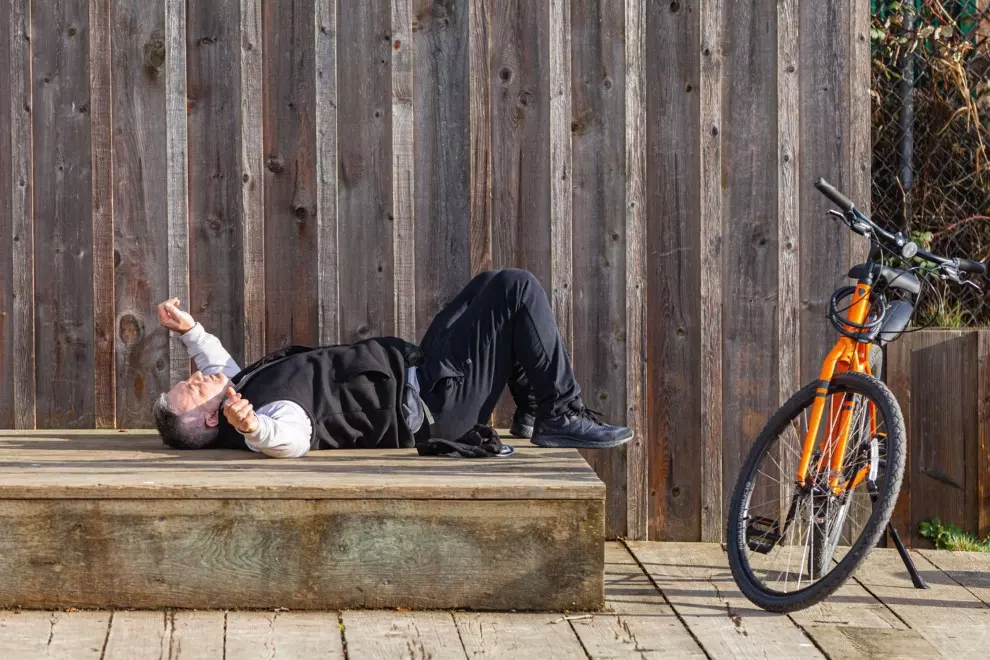
The Couch Cruiser
Distance: 20–30 km
Elevation: 200–400 m
Climbs: Include 2–3 gentle hills that you feel confident on (500–800 m long, <5% gradient)
Special features:
- Choose a scenic loop with plenty of photo stops.
- Find hills that look dramatic in photos but ride like a warm-up.
- Plan a “summit” croissant or café midway to simulate a feed zone.
How to ride it
Cruise the flats, shift early on the climbs, and ride them at conversation pace, unless you’re filming. On each hill, imagine you’re in a breakaway… and then decide you’re not. Sit up, enjoy the breeze, and maybe do a pretend attack if no one’s watching. Take a selfie at the top. Declare yourself King/Queen of the Hill. Ride on in victory (and maybe sugar).
Zobrazit příspěvek na Instagramu
The Sunday Spinner
Distance: 35–50 km
Elevation: 400–700 m
Climbs: Include 3–5 climbs of 1–2 km, max gradient 6–7%
Special features:
- A loop or figure-eight route helps break up the ride.
- Pick climbs with recovery in between, no back-to-back agony.
- Café placement near the last climb is ideal for a “hero finish”.
How to ride it
Spin the flats and pick one or two climbs to push a little, maybe 80–90% effort. The rest? Cruise and recover. On each hill, channel your inner breakaway specialist: stand for a few pedal strokes, then sit and survive. Descend carefully (maybe wave to cows), then spin to the next. No need to go deep, just enough to feel like a pro without needing a nap after.
The Pedal Punisher
Distance: 70–90 km
Elevation: 1,000–1,500 m
Climbs: 4–6 climbs, 1–3 km each, gradients 5–9%
Special features:
- Choose terrain that undulates to simulate the surge-recover rhythm of real hilly stages.
- Alternate climbs with descents or flats long enough to refuel.
- Ideally, a final climb of 5–10 km from the end to simulate a “decisive move”.
How to ride it
Ride the flats in Zone 2–3 and attack 3–4 climbs at threshold or just above (95–105% FTP). Practice controlling effort over the top and recovering on descents. Save a punchy effort for the last hill, 1–2 minutes in the red, just to simulate a race-winning attack (or dropped-chain drama). Ride the final flat with fatigue, holding tempo like you’re defending a narrow GC lead.
The Full-Gas Fanatic
Distance: 100–120 km
Elevation: 1,500–2,500 m
Climbs: 6–8 climbs, each 2–5 km, with varied gradients (5–10%, some short 12% ramps)
Special features:
- Terrain should include technical descents, back-to-back climbs, and short recovery zones.
- Build a route where the final 30 km features two climbs close together.
- Bonus: Segment the climbs to compare pacing execution.
How to ride it
Use the first hour to warm into it, then begin surging on selected climbs. Choose 3–4 climbs to ride at 100–105% FTP and 1-2 climbs at VO2 max (110–120%) for 3-5 minutes. Focus on punch-control-recover mechanics: pace up, stay seated when possible, and maintain momentum over crests. Descend fast but clean. On the final two climbs, simulate race-deciding moves: push hard, recover briefly, then go again. You’re not just riding, you’re simulating selection. Eat accordingly. Upload. Analyse. Already plan for tomorrow.