
The transition happens gradually. Riders finish their seasons on different dates, and staff take leave around the remaining races and the work of preparing for the next campaign. For a few weeks, a team can be racing, recovering and rebuilding at the same time. October offers breathing room, but there is plenty waiting to fill it.
Much of that work centres on the service course, the team’s combined workshop, warehouse and logistical headquarters. As equipment returns from races, mechanics can give it the attention that a crowded competition schedule makes difficult. They inspect frames, assess worn components and sort out what will stay in service. Depending on sponsor agreements and ownership, older bikes may be retained, returned or prepared for sale. Anyone considering buying one should remember that a professional’s definition of a season’s riding differs considerably from theirs.
While the outgoing equipment is being assessed, preparations for the new fleet are already underway. Incoming riders need bikes built to their measurements, and even those staying with the team may want adjustments. A change of equipment supplier makes the task considerably bigger: mechanics must learn the new systems, organise spares and ensure that riders are comfortable with their setups before racing begins. Visma–Lease a Bike has described winter at its headquarters as a period of constant bike building, which rather undermines the idea that mechanics spend the off-season admiring a tidy workshop.
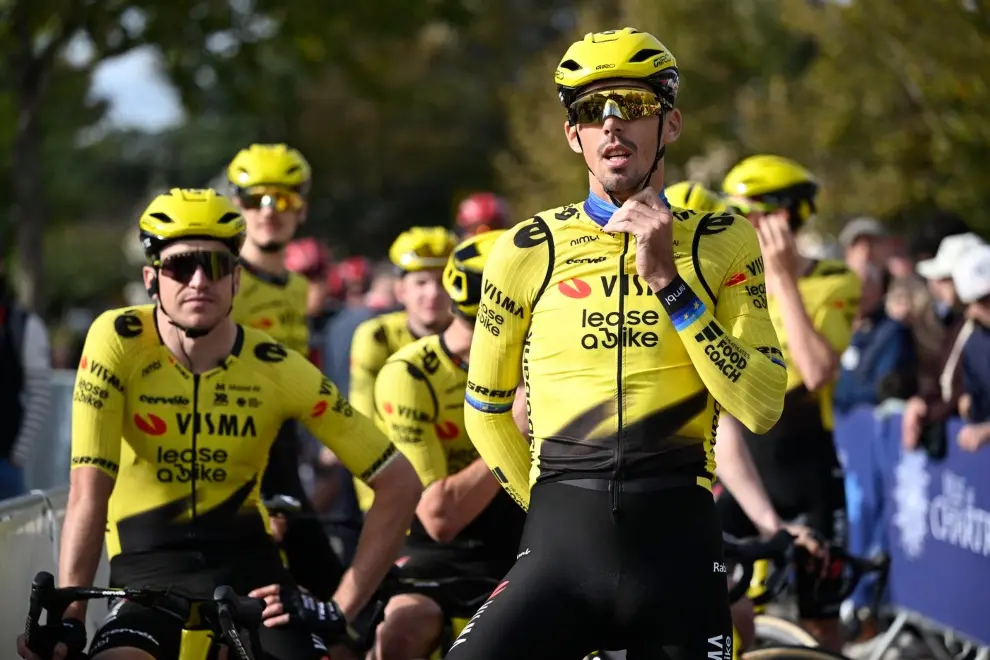
Changes elsewhere in the team create similar demands. A new clothing partnership means collecting sizes, arranging fittings and distributing kit to riders and staff. Sponsors and suppliers need to coordinate deliveries with the team’s schedule, while communications staff prepare the launch. What eventually appears online as a rider looking purposeful in a new jersey may have required months of work—and several reminders to submit their measurements.
Training camps bring many of these preparations together. EF’s account of a pre-season gathering in Girona included equipment testing, new kit, meetings and introductions across its squads, along with some karaoke. The aim is to get people comfortable working together before the pressure of competition returns, although singing in front of new colleagues introduces a pressure of its own.
There is also the delicate business of moving riders between teams. Fans see a transfer announcement and mentally place the rider in their new colours immediately, but the practical handover takes longer. Existing agreements may still cover appearances, equipment and the kit a rider wears publicly. Staff need to resolve outstanding commitments and arrange what gets returned, while the incoming team gathers the information it needs to welcome its new signing.
For the rider, joining a team means learning how a different organisation works: whom to contact about travel, how the coaching arrangements operate and where to send the paperwork. For the staff, it means making that transition smooth enough that the athlete can concentrate on riding. Winning a mountain stage remains an impressive qualification, but it does not automatically confer the ability to complete an onboarding form.
The commercial department, meanwhile, is looking both backwards and forwards. Sponsors want to understand what the season delivered, so staff compile reports, organise imagery and review campaigns while discussing the following year’s plans. Riders may still be needed for partner visits, interviews or filming, even after their racing has finished. A clear calendar provides a useful opportunity to complete those commitments, though fitting them around a proper break requires some care. Being available for a photo shoot and being on holiday are, from the rider’s perspective, noticeably different things.
Coaches and sports directors face a more complicated review than simply counting victories. They need to understand why the season unfolded as it did: whether preparation worked, whether riders had the right opportunities and how much illness, injury or tactics affected the results. A win can conceal weaknesses just as a poor finish can obscure good work. The quieter period allows those conversations to happen without another race demanding an answer the following morning.
That assessment helps shape the next campaign. Leaders discuss their targets, younger riders need opportunities to develop, and support riders must be matched to programmes where their strengths will be useful. Training camps and recovery periods have to fit around those choices. The early schedule remains provisional as routes and invitations become clearer, but it gives the rest of the organisation something to work with.
For logistics staff, every sporting decision has practical consequences. Sending a squad to an additional race means arranging transport, accommodation, equipment and support staff, potentially while another group is competing elsewhere. A manager’s ambition to challenge on several fronts eventually becomes somebody else’s responsibility to ensure that the right bicycles arrive in the right country. Preferably with the riders.
Medical staff also remain involved during the break. Injuries may need follow-up, rehabilitation can continue after racing stops, and assessments and medical monitoring must be organised around the wider programme. There is no universal October inspection day for professional cyclists, but the end of competition can provide time to address problems that were difficult to resolve during the season. A troublesome knee is unlikely to recognise an out-of-office message.
By the time the riders gather again, much of the groundwork has already been done. Their bikes are being prepared, their kit is arriving and their plans have begun to take shape. Staff have taken their own breaks where possible, then returned to the business of making the next season function.
The beach photograph captures a well-earned pause. Outside the frame, someone is making sure its owner has a bike to come back to—and would still appreciate confirmation of that saddle height.