What ketones are and why anyone cares
Ketones are molecules that the body produces naturally when carbohydrate availability is low. Supplements containing synthetic ketone esters or salts try to shortcut that process by raising blood ketone levels without the need for fasting or following a strict ketogenic diet.
A few years ago, they became cycling’s most talked-about marginal gain. Teams were interested in whether ketones could help riders recover faster between stages, spare muscle glycogen, improve cognitive sharpness late in long races, support immune function or stabilise blood sugar and sleep. Brands and early adopters suggested this was the next evolution in fuelling.
At the same time, research started showing a mixed picture. Some studies suggested a recovery benefit in specific situations. Others found no effect. A few indicated that ketones could even impair high-intensity performance when used during exercise. It became clear this was not creatine-level evidence. It was a promising idea with incomplete science and high cost.
Who is using ketones right now?
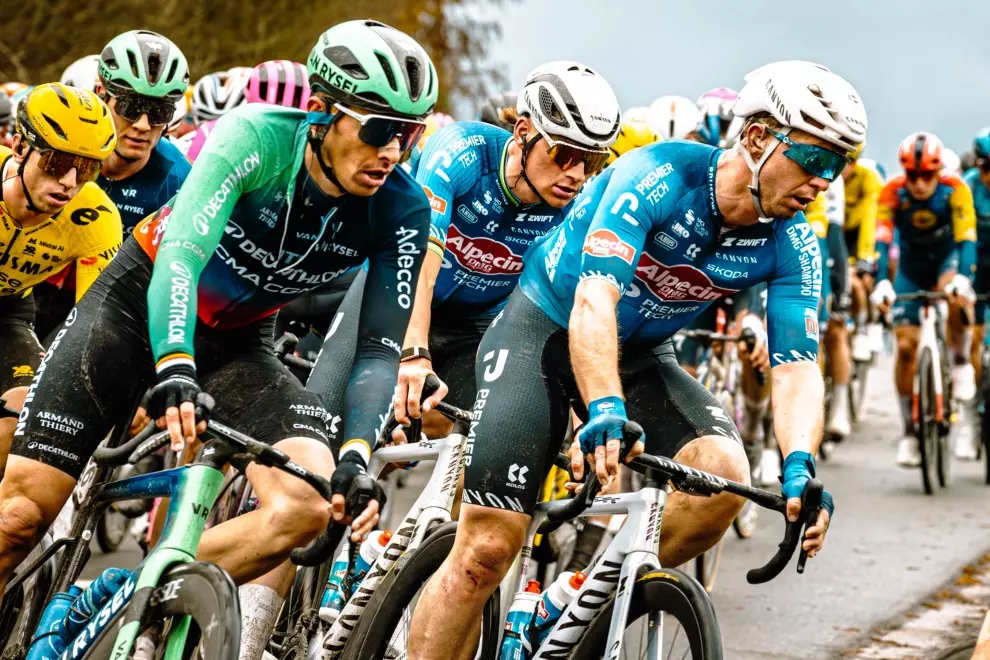
The landscape in 2025 can be divided into three groups: teams that openly use ketones, teams that formally avoid them, and everyone else who keeps their cards close.
Confirmed users:
Visma Lease a Bike: Three-year partnership with Ketone-IQ announced in early 2024. The team notes that ketones have been part of its nutrition system for several years.
Soudal Quick-Step: Partnership with KetoneAid since 2022. The team describes a clear post-stage protocol during stage races, pairing ketones with cherry juice and recovery shakes.
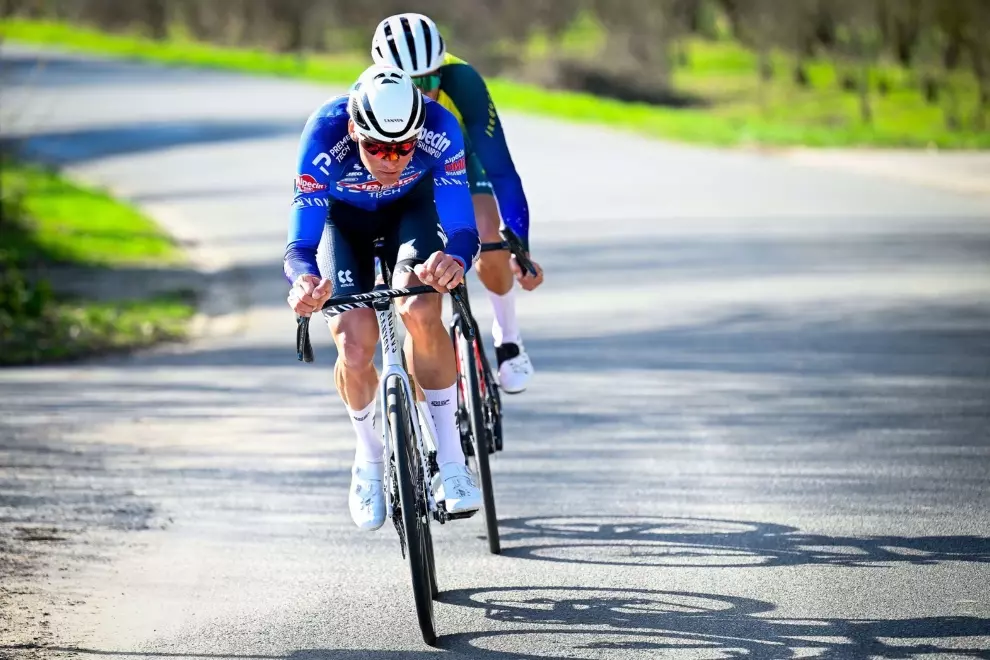
Alpecin–Deceuninck: Partnership with deltaG since January 2024. Positioned for recovery, cognitive clarity, and sleep glucose stability, especially in Grand Tours.
These are 3 of the biggest performance-optimised programmes in modern cycling. It is notable that they continue to use ketones after several seasons of experience and after exposure to internal performance data.
Teams formally not using ketones:
The Movement for Credible Cycling prohibits ketone supplementation among its member WorldTeams. Current members include Arkéa–B&B Hotels, Cofidis, Decathlon–AG2R La Mondiale, EF Education–EasyPost, Groupama–FDJ, Intermarché–Wanty, and Team dsm-firmenich PostNL.
These teams have made a public commitment to stay away from ketones, aligning with a transparency-first philosophy and a conservative approach to supplements with unclear evidence.
How are ketones used?
True frequency is rarely disclosed, but the most specific insight comes from Soudal Quick-Step, who say ketones are taken immediately after stages in multi-day races. The emphasis is recovery, not fuelling mid-race.
Other teams have framed them similarly: a tool for back-to-back racing stress, cognitive support and sleep regulation, mainly during Grand Tours and demanding stage races rather than everyday use.
In other words, ketones have become a niche recovery supplement for specific high-load periods rather than something riders take before every session.
So where are we in the ketone cycle?
Here is a brief timeline of ketones as supplements in pro cycling.
- Adoption began quietly in the mid-2010s
- Visibility and hype peaked around 2018-2022
- Partnerships and selective pro use continue today
- UCI now discourages them but does not ban them
- MPCC teams avoid them entirely
The result: this is no longer a secret marginal gain, but neither is it universally embraced. Ketones have settled into a strange middle space. Enough teams have tried them to show they are not a miracle. Some still use them to suggest there may be context-specific benefits that insiders believe are worth the cost.
What the UCI statement means
The UCI’s wording in their press release matters. It does not prohibit ketones. It simply says: the evidence does not support them, therefore riders do not need them. That leaves teams free to continue and others free to point out the ambiguity. It also increases scrutiny. If these supplements do not clearly help, why use them at all?
The statement may also reduce the pressure on riders to take something just because rivals might be taking it. It is a reminder that pro cycling is not immune to hype cycles, commercial influence, and science that takes time to settle.
What amateurs should take from this
If you are not racing 21 days in a row with world-class physiologists monitoring your biomarkers, you most likely do not need ketones. Spend the money on solid basics: carbohydrates on the bike, protein after, sleep, electrolytes, consistency.
The peloton’s relationship with supplements tends to mirror technology in general: excitement, adoption by leaders, filtering by evidence, then quiet maturity. Ketones are in that filtering phase now.
If they mattered as much as early hype suggested, every team would be on them. They are not.
If they did nothing at all, the sharpest performance programmes would have dropped them. They have not.
And that is the story; ketones are neither the future of endurance nor a hoax. They are an expensive experiment that only a few still find worth running.