What makes a time trial?
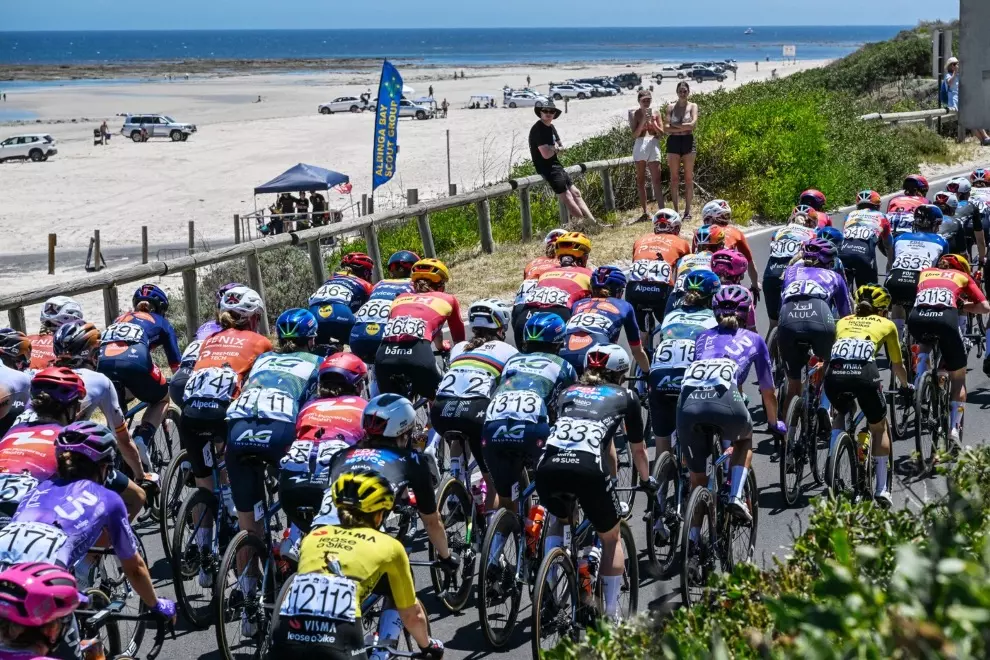
Time trials are cycling’s purest test: just the rider, the road, and the clock. This year’s Tour includes two individual time trials (TT). Stage 5 is a typical TT with 33 km of mostly flat roads, and stage 13 is a less common mountain TT, 10 km long with 650 m of elevation gain. There’s no drafting, no hiding; each rider races alone. Here’s what a typical Tour TT looks like.
Distance: 10-40 km
Elevation gain: Minimal to moderate
Experience: Riders are alone, and the effort is close to their threshold from start to finish, with precise attention to aerodynamics and pacing strategy. It’s a test of how hard riders can push themselves on a given course.
How to design your own time trial stage?
You don’t need a TT bike or a pro mechanic to feel the intensity of a time trial. What matters is pacing, focus, and the ability to stay uncomfortable. To help you capture that feeling without collapsing halfway through, we created realistic time trial formats for different fitness levels.
Take the quiz to find out what type of cyclist you are and then scroll down to see how to suffer (smartly) in your own personal race of truth.
Zobrazit příspěvek na Instagramu
The Couch Cruiser
Route planning
Distance: 5-10 km
Elevation: Less than 100 m
Climbs: None—completely flat is ideal
Special features:
- Use a quiet, uninterrupted loop or out-and-back section.
- Bonus: somewhere photogenic for your “aero tuck” selfie.
- If you use a bike computer, set it to show only speed. Or nothing at all. Vibes only.
How to ride it
Warm up gently. Then imagine you’re in the Tour’s deciding TT. Push yourself, not too hard, for the full course while staying focused on your “line” (aka not drifting toward that bakery). Try to keep an even pace. When you cross your imaginary finish line, sit up dramatically and celebrate like you’ve just won yellow. Ride home slowly. Reflect deeply. Probably post about it.
The Sunday Spinner
Route planning
Distance: 12-18 km
Elevation: <200 m
Climbs: Keep it rolling but manageable, ideally with no steep bits.
Special features:
- Choose an uninterrupted road or bike path.
- The out-and-back format is ideal, so you don’t have to think too hard.
- Plan your coffee stop after the TT. That’s the prize.
How to ride it
Start with a short warm-up, then begin your solo effort from a complete stop. Ride at a pace that feels hard but sustainable, something like “trying to look cool while gasping.” Focus on posture and breathing, and aim to maintain your speed rather than blow up early. The effort should leave you out of breath, not out of joy. Snap a sweaty selfie at the end. That’s your yellow jersey moment.
The Pedal Punisher
Route planning
Distance: 20-30 km
Elevation: 200-300 m
Climbs: Flat to lightly rolling. Nothing over 3%.
Special features:
- Use a route you can ride hard and uninterrupted, with low traffic and few stops.
- Ideally, test against a segment you can compare to later.
- Have a 15-minute warm-up loop with some threshold efforts before the TT.
How to ride it
After warming up, hit the TT course at ~90% FTP, keeping power and cadence steady. Don’t surge on inclines or corners – this is about discipline, not flair. Focus on maintaining an aero position and controlling breathing, especially in the second half. You’ll want to quit around minute 15. That’s your sign that you’re pacing it right. Finish strong, check your TSS, sip an espresso, and say nothing. Your data speaks for you.
The Full-Gas Fanatic
Route planning
Distance: 35-45 km
Elevation: <400 m
Climbs: Ideally 1-2% false flats max. Consistency trumps drama.
Special features:
- Select a course you can ride uninterrupted at your
- Use your aero gear. Helmet, position, tyre pressure: dial it all.
- Pre-ride plan includes warm-up (20-30 min), equipment check, and pacing chart.
How to ride it
After a structured warm-up with ramps and short efforts (think 3×1 min at 120% FTP), hit the line rolling. Lock into your aero position and execute the following. First 5-10 min at 95-97% FTP. Middle section: settle at 100-102% FTP. Final 5-10 min: increase to 105%+ FTP if legs allow. Use heart rate drift and breathing as limiters. Smooth pedal stroke. Mental focus. No distractions. Execute like you’re defending yellow. You don’t win TTs with ego. You win them with spreadsheets.