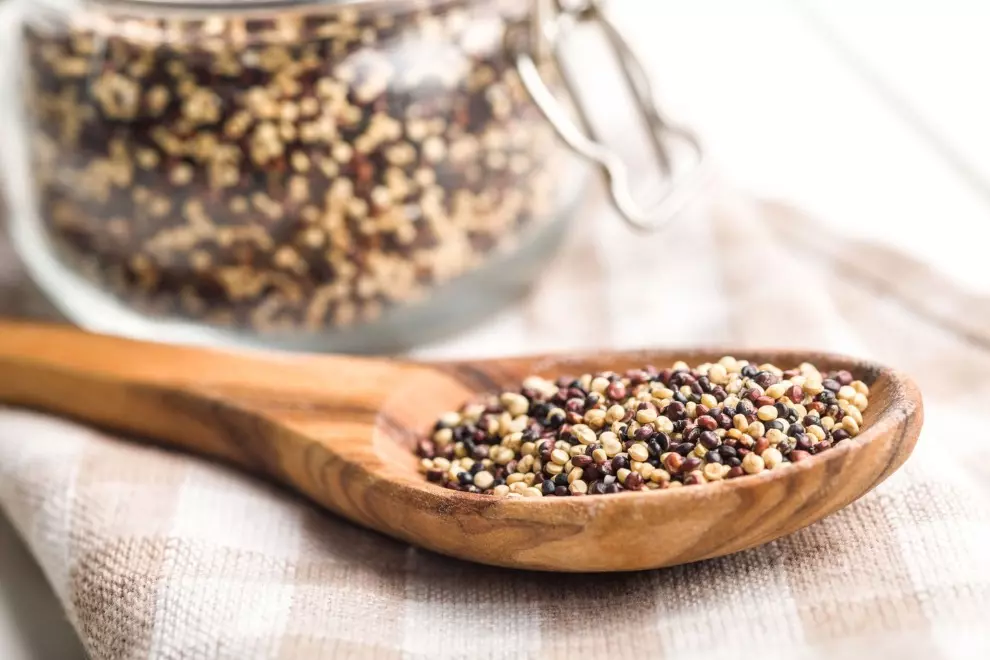
Quinoa is an edible seed from the Chenopodium quinoa plant, which is grown in the Andes region of South America. Although technically a seed, it is used in kitchens like a grain and is often referred to as a “pseudocereal”. It has been cultivated in Peru and other Andean nations for about 5,000 years, but has only recently become a part of the diet of health-conscious non-Andeans.
It’s really good for you
Though it has become quite a fad, quinoa is not a “fad food”. That’s because it’s very good for you. It belongs to the same family as beets and spinach and is gluten-free, high in protein, fibre, vitamins, and minerals. It comes in various colours – white, red, and black – and is often cooked and eaten in ways similar to rice or other grains. But it is astonishingly versatile and can be eaten hot or cold, on its own or with muesli, salads or eggs, and even as a rice substitute with hot dishes. It can also be used to make flour, soups, and beer.
Here is a rundown of its many nutritional attributes:
- A complete protein: Quinoa is one of the few plant-based foods that contains all nine essential amino acids.
- High in fibre: One cup of cooked quinoa provides about 5 grams of fibre, which aids digestion and helps regulate blood sugar.
- Rich in minerals: It’s a good source of magnesium, iron, zinc, and potassium, which support muscle function, oxygen transport, and immune health.
- Lots of antioxidants: Quinoa contains flavonoids like quercetin and kaempferol, which help fight inflammation and oxidative stress.
- Gluten-free: Ideal for people with celiac disease or gluten sensitivity.
- Low glycemic index: Helps maintain stable blood sugar levels, making it suitable for people with diabetes.
- B vitamins: Includes folate, riboflavin, and B6, which are essential for energy metabolism and brain function.
Does it sound too good to be true? You ain’t heard nothing yet. Here is a brief list of what it can do for your well-being, courtesy of bbcgoodfood.com:
Quinoa is high in anti-inflammatory phytonutrients, which make it potentially beneficial for human health in the prevention and treatment of disease. Quinoa contains small amounts of the heart-beneficial omega-3 fatty acids and has a higher content of monounsaturated fat than common cereals.
High in fibre and with more protein than rice or barley, quinoa can be beneficial for those looking to manage their weight. One explanation for this is the filling nature of protein and fibre, which helps us manage our appetite. Quinoa also has a low glycemic index (GI), so its slower energy release makes it less likely to trigger cravings and stimulate hunger.
Although more research is needed, a small number of studies suggest quinoa may improve triglyceride levels and improve blood sugar management.
Studies suggest quinoa improves gut health by enhancing the diversity of beneficial gut bacteria and reducing the inflammatory symptoms of conditions like colitis. Acting as a prebiotic, quinoa supplies the fuel for beneficial gut bacteria, allowing them to thrive.
Quinoa is also among the least allergenic of grains, with allergic reactions to it being very rare. However, natural compounds coating the seeds called saponins may be the cause of some adverse reactions. You can remove these compounds by rinsing in hot water before cooking it.
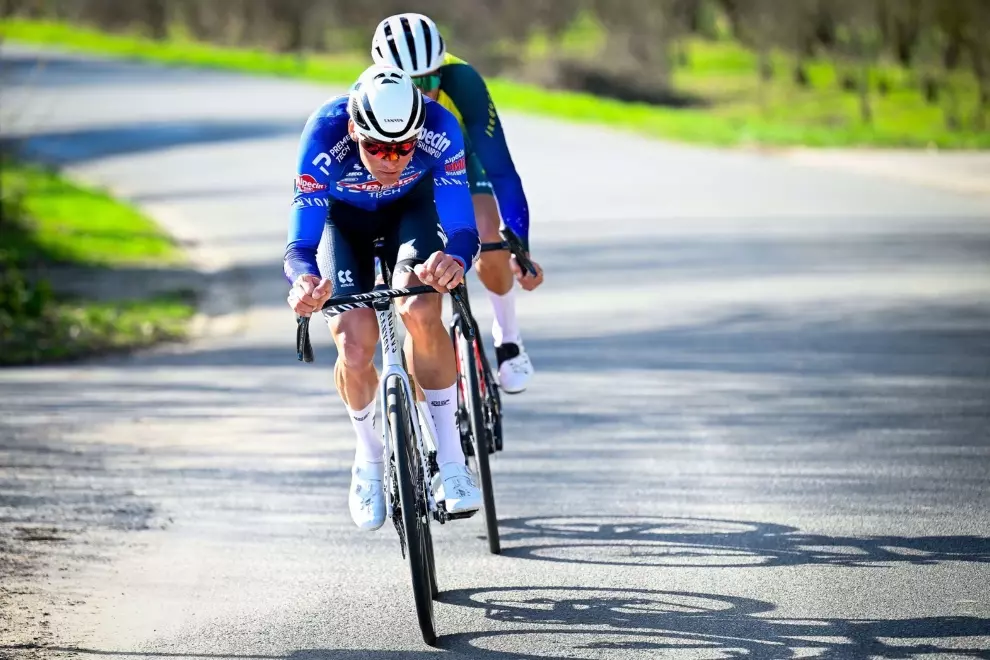
These are all great reasons to make quinoa a part of your daily diet, but this is still a magazine about cycling, so here are the reasons you should make it part of your exercise/cycling routine: Quinoa is a great fuel and recovery food for cyclists because it combines high-quality protein, slow-release carbohydrates, fibre, and micronutrients that support endurance, repair, and immune function.
When, how and how much
Two to 3 hours before a ride, eat a moderate portion of cooked quinoa – 1-1.5 cups cooked quinoa (about 185-280 g) – combined with lean protein and vegetables. About an hour before your ride, eat some faster carbs like a banana or toast; have some quinoa only if you tolerate it close to exercise. Then rely on gels, bananas or rice cakes during your ride. Quinoa is an excellent recovery food. Because of its protein profile, it is excellent for muscle repair, and its carbs will help restore glycogen. After the ride, eat 1–1.5 cups cooked quinoa + 20–40 g protein (e.g., yoghurt, chicken, tofu) and some fruit and veggies.
Quinoa is easy to prepare. First, rinse the grains in hot water to remove the bitter saponins. Read the package to see if it has already been done. Then add 1 cup of quinoa to 1.75 cups of boiling water, cover and turn down the heat so that it simmers gently. Set the timer for 15 minutes. Let it sit for a few minutes after it’s done, then fluff it up with a fork. Store it in the fridge in an airtight container for 5 days – though I have kept it for a week with no problem. I try to eat it every day, as a breakfast with milk, fruit and nuts, as a topping with muesli or yoghurt, sprinkled on a lunch salad or as a rice substitute at dinner.
Practical meal and snack ideas for cyclists
- Breakfast porridge: Warm cooked quinoa with milk or plant milk, mashed banana, nut butter, and a drizzle of honey.
- Pre-ride bowl: Quinoa + roasted sweet potato cubes + spinach + a small portion of avocado + a poached egg.
- Post-ride bowl: Quinoa + grilled chicken or tempeh + mixed greens + cherry tomatoes + olive oil + lemon.
- Quinoa salad: Cold quinoa, chickpeas, cucumber, bell pepper, herbs, olive oil: portable and easy to digest when eaten 2+ hours before riding.
- Quinoa patties: Quinoa mixed with egg, oats, and grated veg, pan-seared: good for meal prep.
- Smoothie boost: Blend a small scoop (¼–½ cup) of cooked quinoa into fruit-yoghurt smoothies for extra protein and texture.
- Baked goods: Use quinoa flour in pancakes or bars for higher protein and fibre.
There are literally thousands of quinoa recipes on the internet. Search around, experiment and make up your own. Bon appétit!