Keeping your eyes clear means keeping your speed
The first thing bigger visors do is protect the one thing you can’t afford to lose: clear vision. When your eyes fill with spray, you don’t just blink – you hesitate. That momentary pause can cost you speed and control. A larger visor shifts the spray line farther away from your face, reducing the number of droplets that land just above your glasses or goggles. This means your lenses stay clearer for longer, you spend less time wiping them mid-ride, and you can hold your line with confidence. On descents, being able to lower your head without looking directly into a stream of grit is a huge advantage, especially when roots and ruts are waiting to punish mistakes.
Mudguards protect more than your clothes
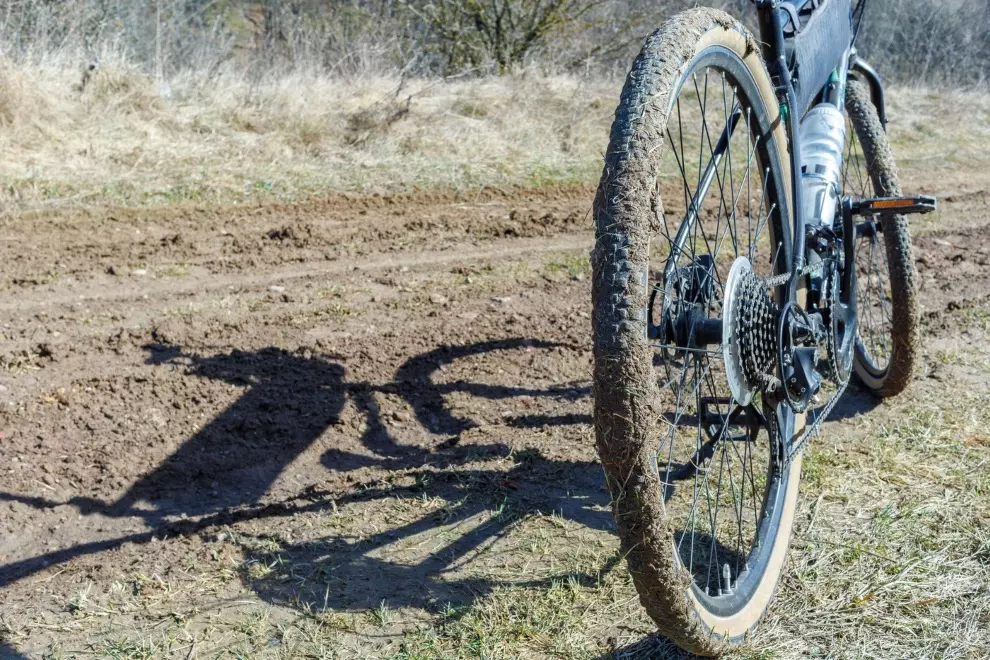
Mudguards aren’t about staying pretty for the finish line. They’re about keeping your bike and body working at full capacity. A longer front guard protects your fork crown and headset bearings from the constant spray of abrasive grit, while an extended rear guard stops the rooster tail from soaking your back and chilling your muscles. More importantly, both ends reduce the amount of mud and debris hitting your chain, cassette, and derailleur. Over an hour in the wet, this can mean the difference between crisp shifting on the last lap and a drivetrain grinding itself to a halt.
Directing the spray, not just blocking it
Well-designed, larger guards and visors don’t just block mud – they direct it. The best visors use a sharper lip to flick droplets forward, keeping them from curling back under toward your face. Likewise, the slight flare at the end of a good mudguard pushes the spray arc lower, sending the mess to the ground instead of your legs. Riders handy with a multitool often extend their stock guards with DIY solutions – a strip of neoprene or a cut-up PET bottle zip-tied in place can be a race-saver in truly foul weather.
The weight penalty myth
Some riders worry about the added weight, but the numbers tell a different story. An extended visor adds perhaps 20 or 30 grams, and a full-coverage mudguard setup is rarely more than 200 grams. In return, you keep your vision clear, your bike running smoothly, and your energy focused on racing instead of wrestling with a mud-choked drivetrain.
Finishing stronger, with less stress
The gains aren’t just personal. If you race with a pit crew, a cleaner bike means less time power-washing and fewer mechanical surprises. For riders without a spare bike, that extra protection can mean finishing strong instead of nursing a crippled machine home.
In short, bigger visors and mudguards are less about vanity and more about survival in the mud. They keep your eyes sharp, your bike alive, and your body in the game. And when the course turns to sludge, that’s exactly what you need.
Pro tips for muddy rides
- Tilt your visor down slightly more than usual to close the gap where spray sneaks through.
- In extreme conditions, add a flexible extension to your mudguard – zip-tied PET bottle pieces work well.
- Keep a small cloth tucked in your jersey pocket to wipe lenses quickly mid-ride.