This is not a gentle course. It’s a route that asks riders to be sharp from Stage 1, rewards versatility, and saves its decisive altitude battles for the final weekend.
Swiss precision: a scenic and strategic start
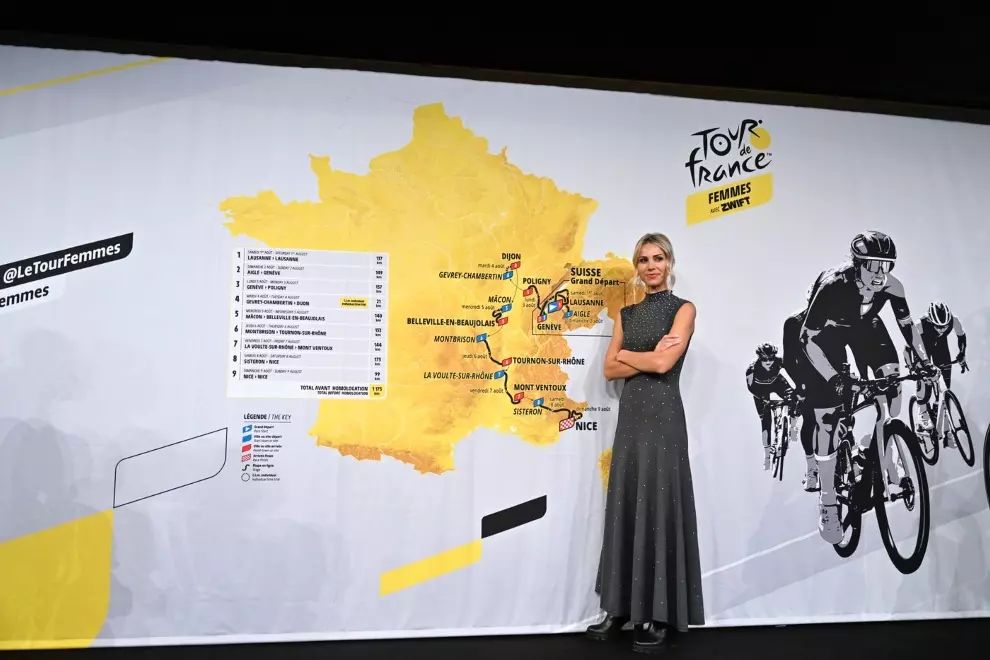
Switzerland hosts the Grand Départ for the first time, offering a spectacular stage for the women’s peloton. Lausanne, Aigle (home of the UCI), and Geneva will feature across the opening three days, a geographically compact but tactically demanding start.
Stage 1 – Lausanne → Lausanne (~137 km)
The opener loops around Lake Geneva, peppered with short climbs (3–4 km at 5–6%) before a punchy uphill drag to the finish in the city centre. Expect a small-group sprint or solo attack rather than a mass finish, the perfect stage for aggressive riders like Elisa Longo Borghini or Marianne Vos.
Stage 2 – Aigle → Geneva (~150 km)
Starting from the UCI’s global HQ in Aigle, the route rolls along the vineyards above Montreux and Vevey, with three classified climbs before a fast run-in toward Geneva. A breakaway may go the distance if the sprinters’ teams hesitate.
Stage 3 – Geneva → France (undisclosed finish)
The race crosses the border into France, where rolling terrain offers the chance for crosswinds or tactical splits — a day tailor-made for Lotte Kopecky, Kasia Niewiadoma-Phinney, or any opportunist brave enough to gamble early.
These opening stages combine spectacle with substance: postcard views, yes, but also real GC implications if anyone falters early.
Zobrazit příspěvek na Instagramu
Building the race: From punch to pure climb
After the Swiss start, the peloton will make its way through eastern France, threading through the Jura and Rhône regions toward the high mountains. While the ASO hasn’t released the full route beyond the first three days, strong indications suggest:
- Nine total stages, covering roughly 950–1,000 km.
- A mountain summit finish on Mont Ventoux around Stage 7, marking the race’s first visit to the iconic climb.
- One or two intermediate hilly stages likely in the Massif Central.
- A time trial or short uphill finish to conclude the race.
That means the route will reward all-rounders early and pure climbers late, a structure similar to the 2023 edition, but on a bigger geographic and symbolic scale.
Tactical implications
Early days – GC control starts now
Stage 1’s sharp climbs and Lausanne’s finish could expose weaknesses in team organisation. GC contenders will need immediate focus; seconds lost here could matter later.
Sprinters – limited window
Stages 2 and 3 are the key chances for fast finishers such as Lorena Wiebes or Charlotte Kool. Beyond Geneva, opportunities narrow fast.
Puncheurs – mid-race opportunity
Riders like Elise Chabbey (on home soil), Silvia Persico, or Juliette Labous will love the lumpy transition stages, ideal for late moves or small-group sprints.
Climbers – the Ventoux awaits
The likely summit finish on Mont Ventoux is the race’s natural centrepiece. Whether via Bédoin or Sault, the climb’s 1,900 metres of elevation gain will ensure only the strongest survive. It’s where the yellow jersey could change hands for good.
Time Triallists – A possible decider
Rumours suggest a final-day time trial around Provence or the Côte d’Azur. If confirmed, it could add another twist — a rare late-race chance for riders like Demi Vollering or Marlen Reusser to stamp authority.
Riders to watch
- Demi Vollering (SD Worx-Protime) — defending champion-in-waiting and the most complete rider in the field; excels in both punchy and high-mountain terrain.
- Kasia Niewiadoma (Canyon//SRAM) — our very own Škoda We Love Cycling expert is consistent, aggressive, and brilliant in the medium mountains; could capitalise on a route that suits her.
- Elisa Longo Borghini (Lidl-Trek) — thrives on long, draining stages and technical descents; Switzerland’s roads play to her strengths.
- Gaia Realini (Lidl-Trek) — the pure climber most likely to challenge on Ventoux.
- Lorena Wiebes (SD Worx-Protime) — the top sprinter; will be looking to secure at least one win before the mountains hit.
- Cecilie Uttrup Ludwig (FDJ-Suez) — racing on home-ish roads, her punch and morale could ignite the middle stages.
Broader significance
The choice of Switzerland for the Grand Départ is more than logistical convenience — it’s symbolic. Lausanne and Aigle position the race near the heart of world cycling governance and showcase women’s racing on global terrain.
It also reflects a trend: the Tour de France Femmes avec Zwift is expanding internationally, cementing itself as a standalone event, not a spin-off. With every edition, the route grows in ambition — more mountains, more distance, more spectacle — and 2026 looks like another leap forward.
The Tour de France Femmes avec Zwift 2026 is built for modern women’s cycling: dynamic, unpredictable and fiercely competitive. Lausanne’s lakeside roads will open the story; Mont Ventoux’s lunar slopes will write its ending. Who do you think will win it? Let us know!