A course you’ll remember: punchy laps, altitude, and a proper finish climb
The elite women’s road race is built on a local circuit in Kigali: 11 laps, totalling 164.6 km with roughly 3,350 m of climbing. That’s a lot of vertical for a world championships, the course is short on long alpine cols and heavy on repeated, sharp climbs that sap legs and encourage attacks. Expect a race where strength, timing and team control matter more than a single explosive punch.
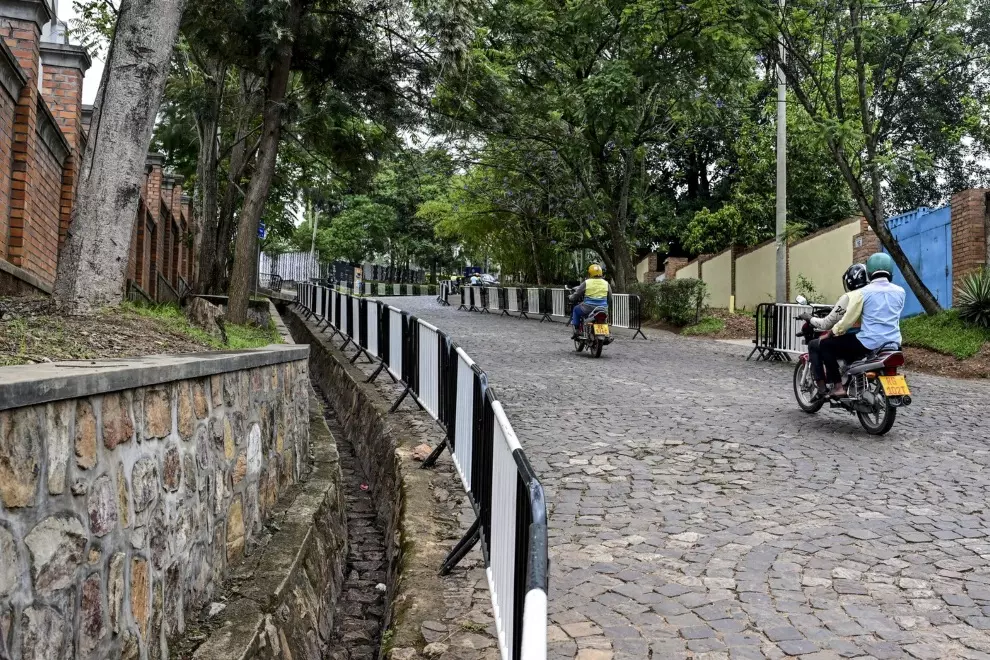
Kigali sits at an altitude (around 1,500 m), which subtly changes how the race plays out: riders who handle thinner air and recover quickly between efforts get an advantage; those used to sea-level racing may feel it in the closing laps. The final kilometres are dramatic, a fast descent, a short cobbled uphill on the Côte de Kimihurura, then a flattening and another kicker of about 900 metres at just over 4% to the line. In plain terms: rollaway groups, late attacks up the cobbles, and a hurtful little climb to finish. It’s a course that suits a hard one-day racer who can climb repeatedly and finish punchy, or a small select group with a fast finisher.
Who to watch in Kigali
As always, the rainbow jersey attracts a deep field, but this year’s circuit makes the list of favorites especially intriguing. Demi Vollering arrives as perhaps the most obvious contender. She has already defended her title at the Vuelta Femenina, where she climbed away on the toughest mountain stages, and her consistency across the spring, including a second consecutive win at the Volta a Catalunya Femenina, shows she thrives on relentless climbing. Rwanda’s circuit, with its altitude and repeated punchy ascents, plays directly into her strengths.
France will pin its hopes on Pauline Ferrand-Prévot, who in August became the first Frenchwoman to win the Tour de France Femmes. Kigali’s final laps, with their steep ramps and cobbled punches, look tailor-made for her ability to suffer and then counter with a stinging attack.
One of the stories fans are most eager to follow is the rise of Kimberley Le Court Pienaar of Mauritius. This season she stunned the peloton with a win at Liège-Bastogne-Liège Femmes, outsprinting Vollering and Puck Pieterse, before making even bigger history as the first African woman to take a stage victory at the Tour de France Femmes. For her to line up in Rwanda wearing her national colors is a symbolic moment, but she is far from a token presence, if the race comes down to a reduced group on the final climb, her punch and sprinting guile could make her the spoiler.
Marlen Reusser is another name to watch. The Swiss rider pushed Vollering all the way at the Vuelta, ultimately finishing second overall, and her mix of time-trial strength and climbing grit means she will be tough to shake. Rwanda’s altitude could favor her diesel engine, especially if the race becomes a long, attritional grind. And then there is Kasia Niewiadoma-Phinney, a perennial animator of World Championships. The Polish rider’s record shows she thrives on hilly, technical circuits, often the one to light the fuse that forces favorites into action. Kigali’s lap profile could be her invitation to attack again and again.
Behind these headline names, a handful of outsiders could also capture the moment. Ashleigh Moolman-Pasio, the veteran South African climber, has long been one of Africa’s most consistent performers on the world stage and will be highly motivated to race in front of a home-continent crowd. Riders like Egypt’s Ebtissam Zayed Ahmed or Ethiopia’s Eyeru Tesfoam Gebru may not yet have the palmarès to challenge for the rainbow jersey, but then again — as anyone who has watched cycling knows, all it takes is one inspired attack to turn a rider from a name on the start list into part of history.
The atmosphere: Why people keep talking about Tour du Rwanda
If you’ve seen photos from the Tour du Rwanda, you know what’s coming: colourful crowds, drumming, music, and communities that treat cycling like a major celebration. Rwanda’s growth as a cycling nation didn’t arrive overnight — the Tour du Rwanda has steadily lifted the sport’s profile and created a culture of spectators who turn out in numbers and noise.
The local circuits through Kigali will present racing close to the people — expect the city’s everyday life to spill onto the roadside: vendors, colourful outfits, and supporters who know the hills and the best vantage points. For broadcast viewers, that creates vivid visuals; for riders, it creates a racer’s paradise of noise and encouragement.
Zobrazit příspěvek na Instagramu
Conditions to expect — weather, roads, logistics
Rwanda in late September is warm and relatively dry compared to the wet season, so riders should be ready for heat on exposed climbs. The roads are generally good tarmac on the official circuits, but the technical nature of city streets, cobbles, and quick turns means positioning and bike-handling will be decisive. Television coverage will aim to capture the city and the spectators, but check local start times if you’re following from Europe or the Americas — live windows will be shifted.
The bigger picture: Why this one matters
Hosting Worlds in Kigali is a statement: cycling’s center of gravity is slowly spreading. For African cycling, the Championships are guaranteed legacy value, more kids inspired to ride, more investment in grassroots development, and the spotlight that brings talent pathways into view. It also changes the story of the sport: hosting a global event in Africa underscores the UCI’s stated push for diversity and development beyond the traditional European heartlands.
For women’s cycling specifically, the ripple effects could be meaningful. Representation matters: seeing the world’s best women race on African soil — with local teams and fans present — can shift perceptions and quietly change who imagines themselves on a bike. If a Rwandan or African rider were to animate a break or take a strong result, that moment will likely be replayed in grassroots programmes for years.
How the race might unfold
Expect a relentless tempo from the gun. The circuit’s repeated climbs punish teams that can’t rotate riders through well; expect the Dutch (and a few other deep squads) to try and keep things honest. Attacks will come mid-lap and in the final laps, riders with good recovery will try to force selections, and the Côte de Kimihurura will be a natural launch pad for late moves. The race could end with a small group sprint, a solo escape, or a select handful sprinting up that final kicker. Predictability? Low. Drama? Very high.
If you’re going (or watching): small tips
- If you’re on the ground, get to the climbs early. The atmosphere is richest in the hills and near the finish circuits.
- If you’re watching at home: the first time trial takes place on Sept 21, then the road races escalate through the week — check local broadcast listings for live slots. The women’s elite road race runs on Sept 27 (local times listed in the competition program).
- Bring patience and curiosity: this isn’t a European town square; it’s a living city with its own rhythms, and that’s part of the joy.